 EN
EN  ZH
ZH 
The Hidden Costs of a Low-Price Dental Chair Investment

The Hidden Costs of a Low-Price Dental Chair Investment
The initial price tag of a dental chair is just the beginning of its total cost. For dental clinics, especially those in markets prioritizing affordability, the allure of a low upfront investment can be strong. However, this initial saving often masks a series of hidden costs that emerge over the chair’s lifecycle, impacting everything from maintenance budgets to clinic revenue.
This article uncovers the total cost of ownership (TCO) for a dental chair. We will explore the long-term financial implications of frequent repairs, operational downtime, and poor ergonomic design, helping you make a more informed and cost-effective investment for your practice.
Beyond the Sticker Price: Uncovering Hidden Maintenance Costs
A lower initial price often correlates with higher maintenance frequency and cost. While premium chairs may budget 1–2% of the purchase price for annual maintenance, experience shows that budget-friendly chairs require a significantly larger allocation, typically between 3–7%. These costs stem from components that are more susceptible to wear and tear under the daily demands of a busy clinic.
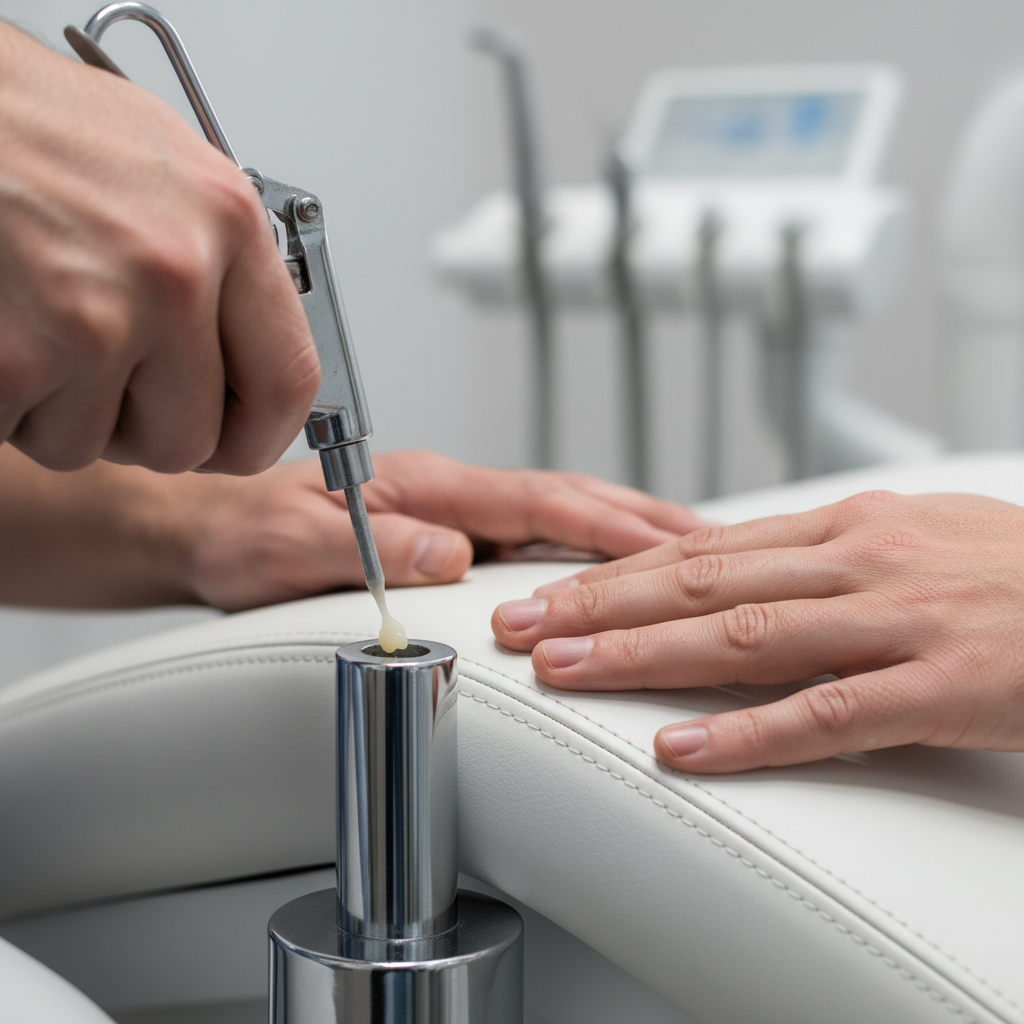
Common failure points in lower-cost models include hydraulic systems, foot controls, and upholstery. Moving parts are particularly vulnerable. A slight judder in the hydraulic lift or an unresponsive footswitch may seem like minor annoyances, but they are early indicators of future service calls. Upholstery, especially at the seams, and areas subject to constant friction from infection-control wipe-downs can degrade quickly, requiring replacement kits that add to the lifecycle cost.
Proactive maintenance can mitigate some of these issues. Simple daily visual checks and functional tests can prevent over 50% of minor service calls. However, the fundamental quality of the components remains the primary driver of long-term reliability.
Typical Failure Points: Budget vs. Quality Chair
| Component | Budget Chair (Expected Issues) | Quality Chair (Expected Performance) |
|---|---|---|
| Hydraulic System | Oil leaks, jerky movements within 2-3 years. | Smooth, consistent operation for 7+ years. |
| Upholstery | Seam splits, discoloration, and tears within 1-2 years. | Durable, resistant to cleaners, lasts 5+ years. |
| Foot Control | Intermittent response, switch failure within 2 years. | Reliable and responsive for 5-7 years. |
| Handpiece Tubing | Becomes brittle, cracks, and leaks within 1-3 years. | Remains flexible and durable for over 5 years. |
The High Price of Downtime: Calculating the True Revenue Impact
Every hour a dental chair is out of service represents lost revenue. This is perhaps the most significant and often underestimated cost associated with an unreliable chair. Calculating this impact is straightforward:
Daily Chair Revenue = (Monthly Clinic Revenue ÷ Working Days) ÷ Number of Chairs
For example, a clinic generating $30,000 per month with two chairs, operating 20 days a month, has a daily revenue of $750 per chair. If a chair is down for five days waiting for a replacement part, that’s a direct revenue loss of $3,750—an amount that could easily exceed the initial savings on a cheaper chair.
Compounding this problem are parts availability and lead times. For clinics relying on overseas suppliers, the wait for a critical component like a hydraulic seal or a power switch can range from 4 to 12 weeks. This is why requiring documented spare-parts lists and Service Level Agreements (SLAs) during the procurement process is a crucial step to avoid extended service gaps.
Essential Spare Parts Checklist
To minimize downtime, keeping a small inventory of fast-moving spares is a wise strategy. Consider this your dental chair emergency kit:
- [ ] Upholstery repair/replacement kit
- [ ] Spare foot control unit
- [ ] Set of hydraulic seals
- [ ] Replacement handpiece tubing
- [ ] Main power switch assembly
Ergonomics and Efficiency: The Cost of Poor Design
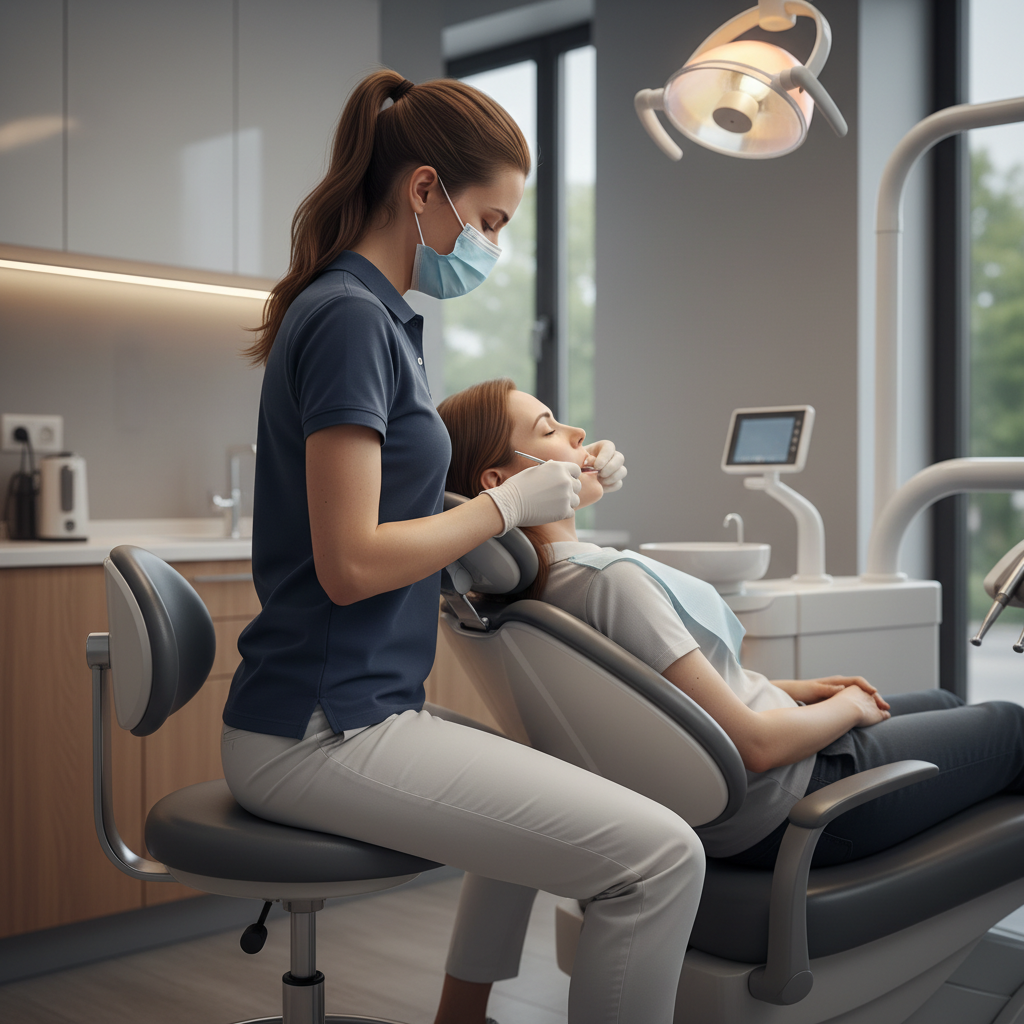
A dental chair is not just for the patient; it is a critical piece of equipment for the clinician. Poor ergonomic design directly contributes to operator fatigue and reduces procedural efficiency. My own experience in observing clinic workflows has shown that persistent neck and back strain are often linked to poorly designed chairs with a limited range of adjustment.
An ergonomic chair should adapt to the clinician, not the other way around. Insufficient adjustment ranges are a common flaw in low-cost chairs. Key ergonomic benchmarks to test on-site include:
- Seat Height Range: 420–540 mm
- Backrest Recline: 0–40°
- Headrest Vertical Adjustment: ±60 mm
When a chair cannot meet these ranges, it forces clinicians into awkward postures, leading to measurable slowdowns in procedures and increasing the risk of musculoskeletal issues over time. The “game-changer” is often not just the chair itself, but how it integrates into the entire operatory, preventing the daily accumulation of physical strain.
Debunking the Myth: “It’s Just a Chair”
A common misconception is that a dental chair is a simple piece of furniture and that the primary difference between models is the price. In reality, the design, manufacturing, and materials used have profound implications for safety, reliability, and compliance. Reputable manufacturers adhere to stringent quality management systems, such as ISO 13485:2016, which is a standard for medical device quality management systems.
Furthermore, products sold in regulated markets must meet specific legal requirements. For instance, devices sold in the European Union must bear a CE mark and comply with the EU Medical Device Regulation (MDR). These regulations mandate rigorous processes for design, manufacturing, and clinical evaluation to ensure the device is safe and performs as intended. While these compliance activities add to the cost of the chair, they provide a crucial layer of trust and assurance in its long-term performance and safety, a fact supported by research available through resources like PubMed.
Key Takeaways
Choosing a dental chair based on its sticker price is a flawed strategy. A true assessment requires looking at the total cost of ownership. An affordable chair that leads to frequent downtime, high maintenance bills, and clinician fatigue is not a bargain; it is a liability.
When evaluating your next investment, consider the following:
- Lifecycle Costs: Budget for maintenance and parts, expecting to spend 3-7% of the purchase price annually for lower-cost models.
- Downtime Impact: Calculate your daily chair revenue to understand the true cost of a non-operational chair.
- Ergonomics: Ensure the chair offers a full range of adjustments to protect your most valuable asset—your health and efficiency.
- Compliance and Quality: Verify that the chair meets recognized international standards like ISO 13485 and the necessary regional regulatory requirements such as the EU MDR.
By shifting the focus from initial price to long-term value, you can select a dental chair that serves as a reliable foundation for your practice for years to come.
Disclaimer: This article is for informational purposes only and does not constitute professional medical or financial advice. Clinicians should consult with ergonomic specialists and financial advisors to make decisions best suited for their specific practice needs. The ergonomic ranges and maintenance percentages provided are based on industry experience and should be treated as general guidelines.
References
About the Author