 EN
EN  ZH
ZH 
Dental Chair Features for Elderly Patient Comfort

Enhancing Geriatric Care Through Thoughtful Dental Chair Design
For many elderly patients, a trip to the dentist can be fraught with physical discomfort and anxiety. Mobility challenges, reduced flexibility, and chronic pain can make the simple act of getting into and out of a dental chair a significant hurdle. As a practitioner, creating a comfortable and accessible environment is a cornerstone of providing exceptional care. By focusing on specific dental chair features, you can significantly improve the treatment experience for geriatric patients, fostering the trust that leads to better long-term health outcomes and a stronger practice reputation.
This article delves into the critical design elements that transform a standard dental chair into a safe and comfortable space for elderly patients. We will explore key accessibility features, ergonomic considerations for extended procedures, and practical advice for selecting or retrofitting equipment to meet the needs of this important patient demographic.
1. Foundational Accessibility: Easing Entry, Transfers, and Exit
The first point of physical contact a patient has with your clinical space is the dental chair. For an elderly individual, this moment can set the tone for the entire appointment. A chair that is difficult to access creates immediate stress and physical strain. Prioritizing accessibility is not just about comfort; it is about safety and respect.
Low Entry Height for Seamless Access
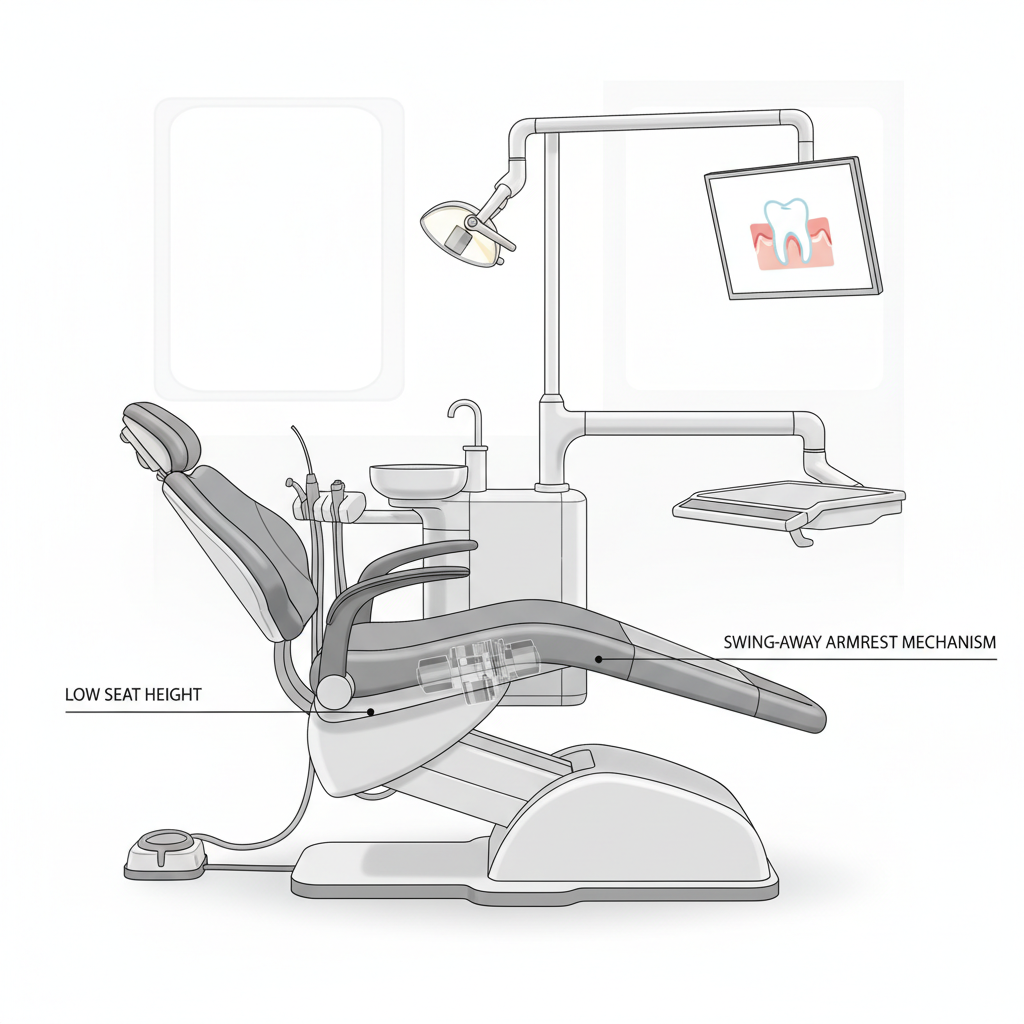
A common oversight in clinic design is selecting chairs with a standard seat height (typically 48–55 cm). While suitable for many adults, this can be a major barrier for patients with limited leg strength or those transferring from a wheelchair. The ideal specification for a geriatric-friendly chair is a low-entry height in the 42–48 cm range. This lower profile dramatically reduces the effort required to sit down and stand up, promoting patient independence and reducing the risk of a fall. It aligns with principles of universal design, ensuring your practice is prepared for patients of all mobility levels, a key consideration discussed in our guide to Chair Design for Patients with Anxiety & Special Needs.
Robust Weight Capacity and Stability
Safety and stability are non-negotiable. A dental chair must feel solid and secure to instill confidence. A critical heuristic is to specify a weight capacity that is at least 20–30% greater than your heaviest expected patient. For most practices, this means selecting a chair rated for at least 150–180 kg (330–400 lbs). This surplus capacity ensures the chair’s motors and structural components operate well within their safety limits, providing smooth, stable adjustments without any hint of strain.
Unobstructed Lateral Transfer Space
For patients who use mobility aids, the space between the wheelchair and the dental chair is a critical transition zone. Obstacles can make this transfer hazardous. Look for chairs with features designed to create a clear path:
- Detachable or Swing-Away Armrests: The ability to remove or move an armrest out of the way is essential. This feature can create a lateral transfer gap of 20–25 cm or more, allowing a patient to slide from a wheelchair onto the chair with minimal obstruction.
- Low-Profile Base: Bulky chair bases can interfere with the wheels of a wheelchair or a patient’s footing. A sleek, low-profile base provides closer, safer access.
2. Optimizing Comfort and Support for Extended Procedures
Once the patient is seated, comfort becomes the priority, especially during longer treatments. Proper support minimizes fidgeting, reduces muscle fatigue, and allows the patient to remain still, which is crucial for procedural precision.
The Misconception of “Plush” Cushioning
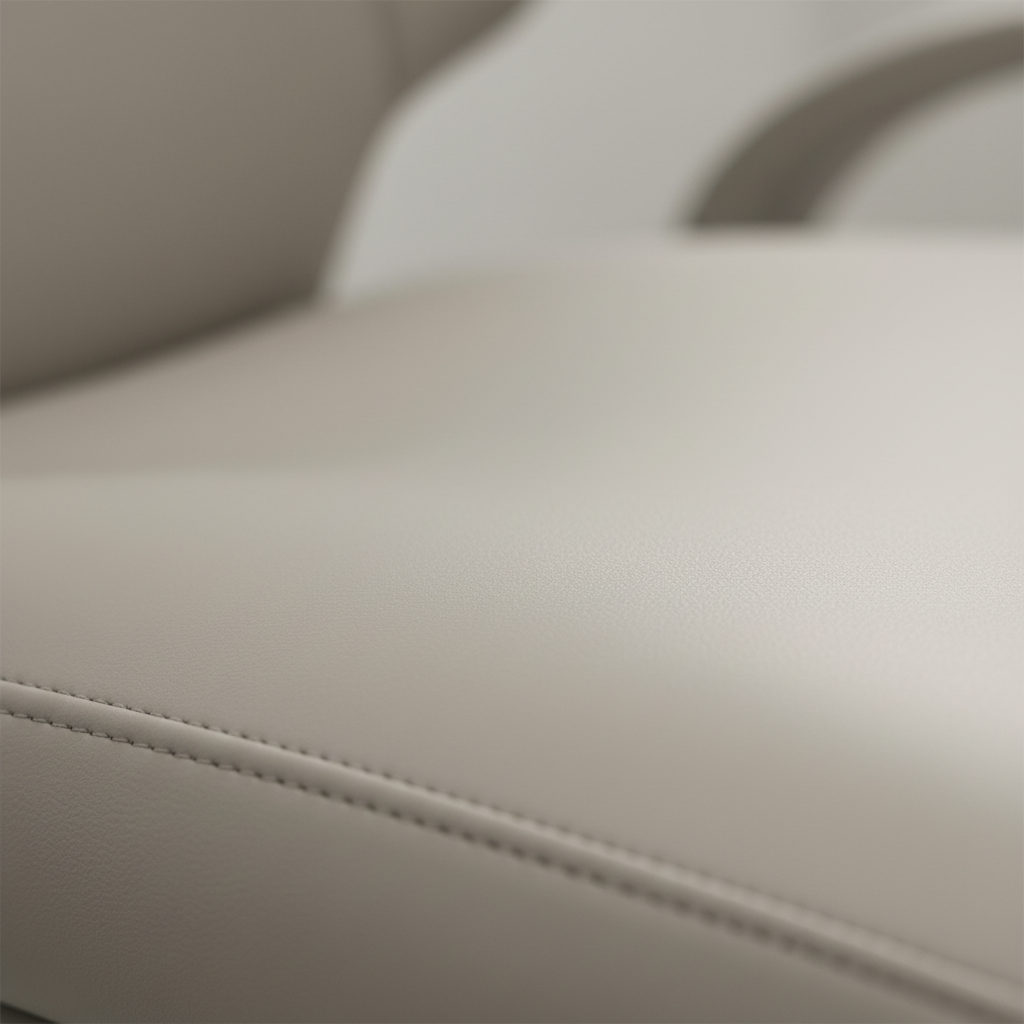
There is a common myth that softer, plusher cushions are always more comfortable. For geriatric patients, this is often untrue. Overly soft foam can create an unstable surface, causing the patient to sink, which complicates lateral transfers and offers poor postural support. The best approach is to choose firm, high-density foam that provides support without being hard.
The upholstery itself is just as important. Medical-grade, seamless or welded upholstery is the superior choice. This type of material is not only durable but also resistant to harsh disinfectants, a vital factor for How Chair Design Impacts Infection Control & Hygiene. Modular, replaceable covers are another practical feature, allowing for cost-effective repairs of wear and tear without needing to replace the entire chair.
Key Ergonomic Adjustments
Proper positioning is fundamental to both patient comfort and clinical access. A well-designed chair should offer a wide range of adjustments to accommodate different body types and procedures.
| Feature | Recommended Range | Clinical Benefit |
|---|---|---|
| Backrest Recline | 120–160° | Supports various procedures from examinations to more invasive treatments while maintaining patient comfort. |
| Headrest Articulation | 10–15 cm (Vertical) | Accommodates patients of different heights, ensuring the head and neck are properly supported. |
| Headrest Tilt | 15–30° | Allows for precise positioning to improve the clinician’s line of sight and access to the oral cavity. |
A chair that offers this level of control enables you to perfectly balance procedural needs with patient well-being, a topic further explored in our article on Balancing Patient Comfort & Practitioner Ergonomics.
3. Durability, Maintenance, and Long-Term Value
Choosing a dental chair is a significant capital investment. Beyond the initial feature set, a focus on durability, serviceability, and compliance ensures the chair delivers value for years to come. For any medical device sold in Europe, adherence to standards like the EU MDR – Medical Device Regulation is mandatory, ensuring a high level of quality and safety.
The Importance of Quality and Compliance
Manufacturers who adhere to rigorous quality management systems, such as those outlined in ISO 13485:2016, demonstrate a commitment to producing reliable and safe medical equipment. This certification is a key indicator that the chair has been designed and manufactured to meet stringent international standards. Similarly, a CE Marking indicates conformity with health, safety, and environmental protection standards for products sold within the European Economic Area.
Retrofitting and Spare Parts Strategy
If a new chair isn’t immediately feasible, you can still make significant improvements to existing equipment. Consider these retrofits:
- Install transfer arms or ensure existing armrests are removable.
- Add a sturdy, non-slip step platform to assist with entry and exit.
- Replace old, overly soft cushions with new, low-profile, firm-support options.
Furthermore, a smart maintenance strategy can prevent costly downtime. I always recommend keeping a small stock of essential spare parts, such as actuators, upholstery covers, and drive motors. This proactive approach ensures that a minor failure doesn’t take a treatment room out of service for an extended period, a key principle for making Affordable Chairs That Don’t Compromise on Comfort.
A Checklist for Selecting an Elder-Friendly Dental Chair
When evaluating new equipment, use this checklist to ensure you are prioritizing the features that matter most for geriatric care. This structured approach can help you make an informed decision, as detailed in our complete Clinic’s Checklist for Choosing Comfortable Chairs.
Accessibility Features:
- [ ] Seat Height: Adjustable down to 42–48 cm?
- [ ] Weight Capacity: Rated for at least 150–180 kg?
- [ ] Armrests: Are they detachable or do they swing away?
- [ ] Lateral Transfer Gap: Is there a clear space of at least 20–25 cm?
- [ ] Base Profile: Is the base low-profile to avoid interference?
Comfort & Support:
- [ ] Cushioning: Is it firm, high-density medical-grade foam?
- [ ] Upholstery: Is it seamless or welded for hygiene and durability?
- [ ] Backrest Recline: Does it support a range of 120–160°?
- [ ] Headrest: Does it offer at least 10 cm of vertical travel and 15° of tilt?
Longevity & Maintenance:
- [ ] Upholstery Covers: Are they replaceable?
- [ ] Spare Parts: Does the manufacturer guarantee the availability of key components?
- [ ] Compliance: Is the chair certified under ISO 13485 and CE/MDR?
Wrapping Up: An Investment in Patient-Centered Care
Investing in dental chairs with features tailored for the elderly is more than an equipment upgrade; it is a direct reflection of your practice’s commitment to patient-centered care. By prioritizing accessibility, stable support, and ergonomic design, you create an environment where elderly patients feel safe, respected, and comfortable. This not only enhances their cooperation during treatment but also builds the enduring trust that is the foundation of a successful practice. Ultimately, the thoughtful selection of equipment demonstrates a deep understanding of patient needs and reinforces the positive ROI of Patient Comfort in Your Dental Practice.
Disclaimer: This article is for informational purposes only and does not constitute professional medical advice. Clinicians should evaluate equipment based on the specific needs of their patient population and consult with ergonomic and accessibility experts. Always refer to manufacturer specifications and regulatory guidelines when selecting medical devices.
References
About the Author