 EN
EN  ZH
ZH 
Maintaining Your Chair's Delivery System and Parts

Why Proactive Maintenance is Non-Negotiable
In any busy dental practice, the dental chair delivery system is the operational heart of the clinic. It is the crucial link between the practitioner and their tools, directly impacting efficiency, patient comfort, and ultimately, your bottom line. When a delivery system fails, the entire workflow grinds to a halt. This unplanned downtime translates directly into canceled appointments, frustrated staff, and significant revenue loss. More importantly, it can erode patient trust in your practice’s reliability.
This is why shifting from a reactive repair model to a proactive maintenance framework is essential. This guide provides a technician-proven approach to maintaining your dental chair’s delivery system, managing spare parts effectively, and troubleshooting common issues. By implementing these strategies, clinic managers can minimize disruptions, ensure regulatory compliance, and significantly extend the lifespan of this critical equipment.
Understanding Your Delivery System: Core Components and Failure Points
A dental delivery system, whether it’s a rear, side, or over-the-patient configuration, is a complex network of components working in unison. Understanding its basic anatomy is the first step toward effective maintenance.
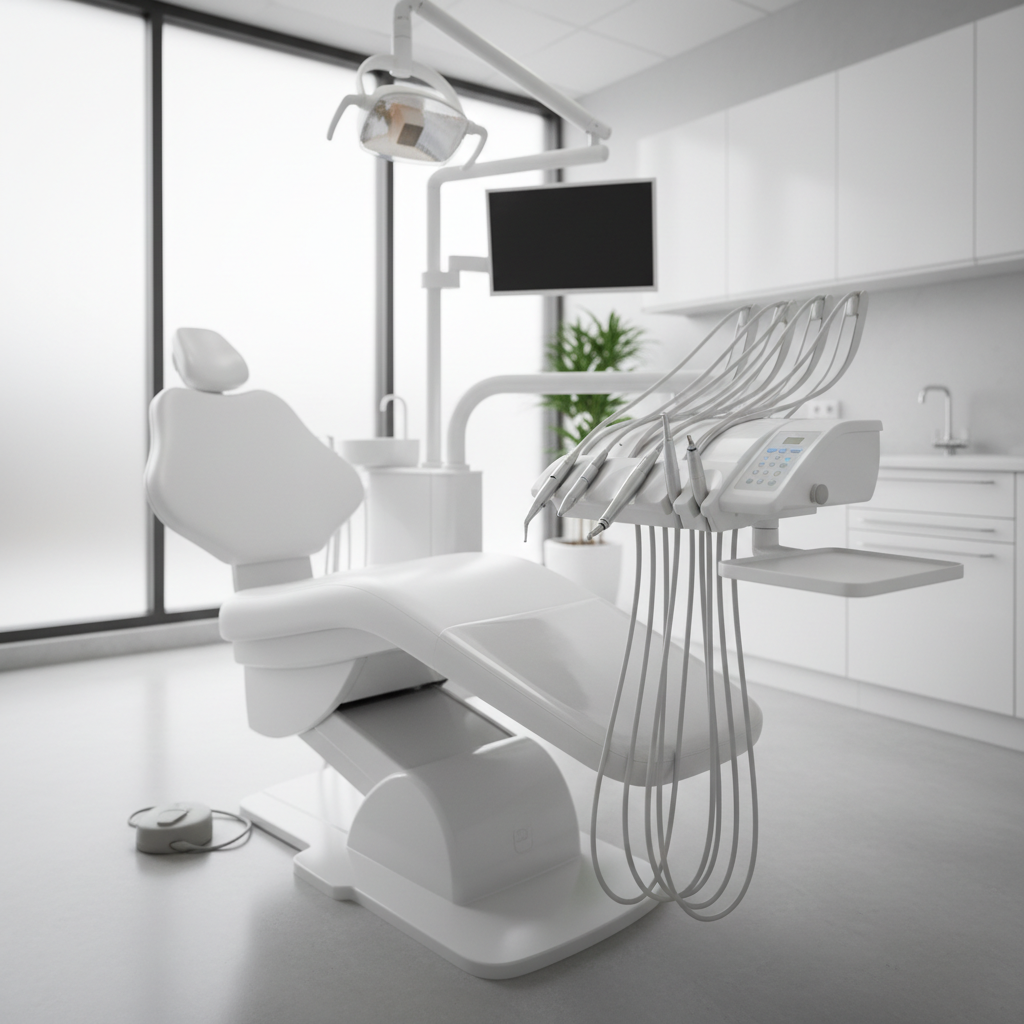
Key components typically include:
- Handpiece Tubing: Delivers air and water to high-speed and low-speed handpieces.
- Air/Water Syringe: Provides air, water, or a combined mist.
- Control Block (or Manifold): The central hub that directs air and water flow to each instrument.
- Suction System: Includes the High Volume Evacuator (HVE) and Saliva Ejector (SE) hoses and valves.
- Foot Control (Rheostat): Activates and controls the speed of the handpieces.
While modern chairs are built for durability, certain parts are inherently subject to more wear. Proactive maintenance focuses on these “hotspots” to prevent failure.
Based on extensive field service experience, the most common failure points are small, consumable parts. These include O-rings within connectors, internal seals, solenoids that control air/water flow, quick-connect inserts for handpieces, and electrical fuses. These components often fail due to material fatigue from repeated use, degradation from chemical disinfectants, or mineral buildup from hard water sources. Kinked or stretched tubing is another frequent issue, often stemming from improper delivery arm positioning, which is why ergonomics for dentists is closely linked to equipment longevity.
A Structured Maintenance Schedule: From Daily Flushes to Annual Audits
Consistency is the cornerstone of a successful maintenance program. Ad-hoc repairs are always more stressful and costly than scheduled upkeep. We’ve developed a simple, three-tiered schedule based on proven technician heuristics to keep your delivery systems operating at peak performance.
This structured approach ensures that small issues are caught before they become chair-halting emergencies. Following a documented schedule is also a key component of a quality management system, aligning with the principles of standards like ISO 13485:2016, which emphasizes process control and equipment maintenance for medical devices.
Here is a practical checklist you can adapt for your clinic:
| Frequency | Key Maintenance Tasks | Primary Goal & Rationale |
|---|---|---|
| Daily | Flush all water lines and handpiece tubing for 30 seconds at the start and end of the day. | Prevents the accumulation of biofilm inside the narrow tubing, ensuring water quality and preventing clogs. |
| Visually inspect and check instrument couplings. | Ensures handpieces connect securely without leaking and prevents mid-procedure seize-ups. | |
| Monthly | Lubricate all moving joints, swivels, and pivot points on the delivery arm. | Guarantees smooth, strain-free movement, improving ergonomics and reducing wear on mechanical parts. |
| Inspect and replace air and water filters as needed. | Protects the intricate internal components of handpieces and the control block from damaging debris and mineral buildup. | |
| Test suction performance (HVE and SE) and verify air/water pressure. | Confirms that clinical performance is consistent and powerful enough for procedures, preventing surprises during patient treatment. | |
| Annually | Conduct a full electrical safety check (e.g., continuity, ground fault). | A critical safety step to protect both patients and staff, and a requirement for compliance in many regions. |
| Replace all critical internal seals, gaskets, and diaphragms in the control block. | These parts degrade over time even without visible signs of failure. Replacing them annually prevents hidden leaks and pressure loss. |
Debunking Common Maintenance Myths and Costly Mistakes
In speaking with clinic staff, I’ve noticed a few recurring misconceptions and practices that inadvertently cause more harm than good. Avoiding these common pitfalls is just as important as following the maintenance schedule.
Myth: “Any lubricant is better than no lubricant.”
This is a widespread and damaging myth. A common mistake is using a general-purpose oil or a non-specific silicone spray on delivery system joints or O-rings. These lubricants are not designed for the materials used in dental equipment and can cause seals to swell, crack, or become gummy over time. This leads to stiff movements and leaks. Always use the manufacturer-recommended, medical-grade silicone lubricant. It is specifically formulated to be compatible with the plastics and rubbers in your system.
Costly Mistake #1: Over-Tightening Push-Fit Couplings
When a small leak is detected, the natural instinct is to tighten the fitting as much as possible. However, most modern dental chairs use push-fit or quick-connect couplings that seal with internal O-rings. Over-tightening the collar does not improve the seal; instead, it puts stress on the plastic housing, often causing hairline cracks. These micro-fractures can result in persistent, hard-to-diagnose air or water leaks. The correct approach is to ensure the fitting is clean and to replace the internal O-ring if a leak occurs.
Costly Mistake #2: Neglecting Documentation
Failing to log maintenance activities and replacement part serial numbers may seem like a minor administrative oversight, but it has serious consequences. It makes it nearly impossible to track wear patterns, predict future needs, or process warranty claims efficiently. Furthermore, robust documentation is a core requirement of medical device regulations. The FDA’s Quality System Regulation (21 CFR Part 820) explicitly requires procedures for and documentation of maintenance activities to ensure equipment is suitable for its intended use. Good records are fundamental to proving the long-term financial health and durability of your chairs.
Smart Spare Parts Management: Your Clinic’s Uptime Insurance
Even with perfect maintenance, parts will eventually fail. The difference between a 15-minute fix and a day of downtime is having the right spare part on hand. A well-managed parts inventory is your clinic’s insurance policy against lost revenue.
Building Your On-Site Inventory
Not all parts are created equal. Focus your on-site stock on small, high-failure, and easily replaceable items.
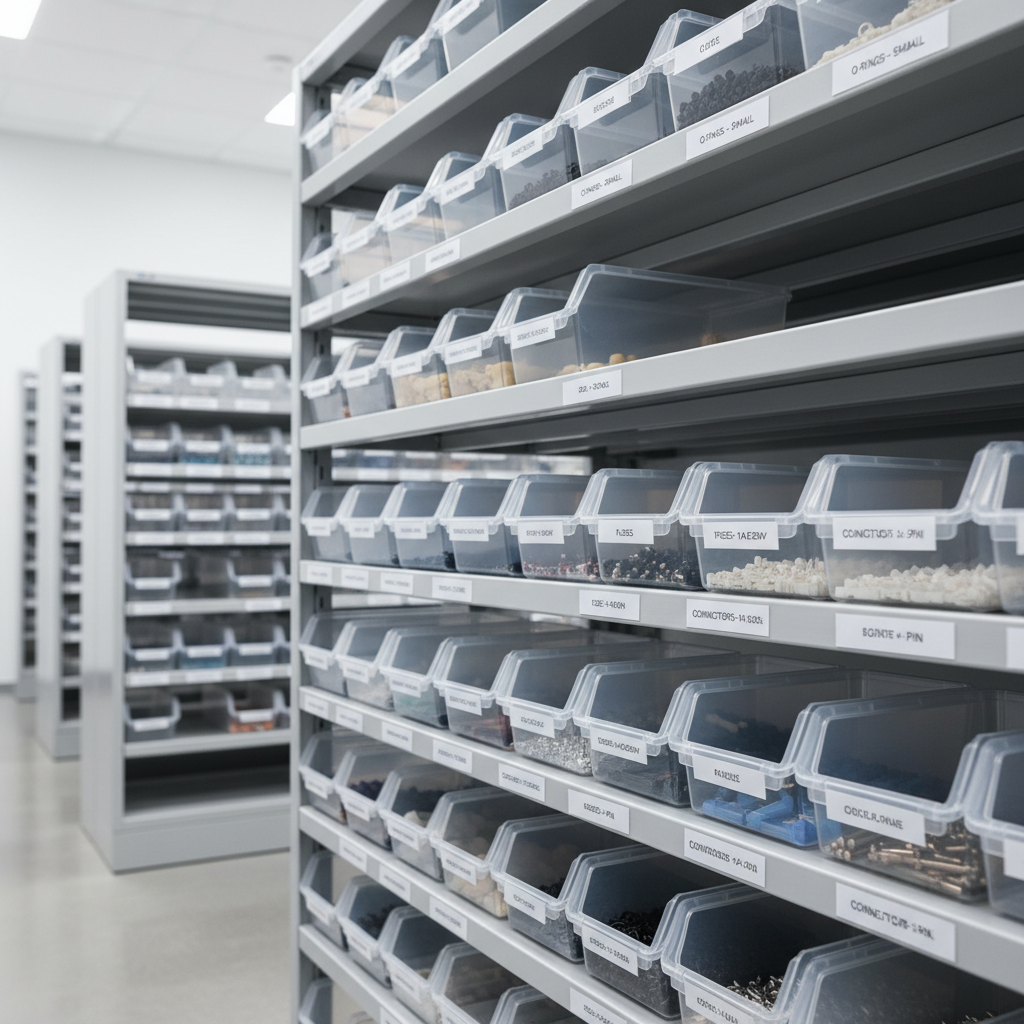
- Essential On-Site Spares: O-rings for handpiece couplers and syringe tips, replacement solenoids, quick-connect inserts, and a variety of fuses.
- Inventory Guideline: For these small components, a good rule of thumb is to keep 1–2 spares per chair. For every 4–6 chairs in your clinic, it is also wise to have one spare of a major functional module, like a pre-assembled control block or a foot pedal.
Storage and Procurement Best Practices
How you store and source parts is critical for compliance and function. Store all spare parts in clearly labeled, climate-controlled bins with the purchase date visible. This prevents technicians from accidentally using a degraded, aged part and helps with first-in, first-out inventory rotation.
When procuring parts, especially critical replacement modules, always insist on documentation. Ask your supplier for exploded parts diagrams to confirm you are ordering the correct item, and always request copies of certification for replacement modules. This ensures the part meets regulatory standards, such as the EU Medical Device Regulation (MDR), which places strict requirements on the traceability and conformity of all medical device components throughout their lifecycle.
Practical Troubleshooting for Common Issues
When a problem arises, a few simple diagnostic tests can help a technician quickly identify the root cause.
- Diagnosing Air/Water Leaks: For suspected air leaks at fittings or along tubing, the “soapy water test” is invaluable. Apply a small amount of soapy water to the suspected area. If bubbles form, you’ve found your leak. This is far more precise than just listening for a hiss.
- Testing Handpiece Connections: If a handpiece isn’t functioning correctly, don’t immediately assume the handpiece is the problem. Bench-test the coupler on the delivery unit with a known-good spare handpiece first. This quick check can isolate whether the issue is in the handpiece or the delivery system, saving significant diagnostic time.
- Checking Foot Control Failure: If a foot control is unresponsive, the issue could be the pedal, the tubing, or the control block. A simple multimeter can be used to check for continuity through the foot control’s circuitry. If the pedal shows continuity, the problem lies further downstream in the chair’s system.
Key Takeaways
Maintaining your dental chair delivery system is not a cost center; it is a critical investment in the operational and financial health of your practice. By moving away from a reactive repair model to a proactive framework, you protect your clinic from the disruption and revenue loss caused by equipment failure.
The three pillars of delivery system reliability are a consistent maintenance schedule, a smartly managed inventory of spare parts, and the use of correct, technician-proven techniques. By embracing this approach, you ensure your equipment remains a reliable asset that supports your team and serves your patients for years to come. A partnership with an equipment provider should extend beyond the initial purchase to include robust after-sales support and guaranteed availability of certified, affordable parts.
Disclaimer: This article is for informational purposes only and does not constitute professional technical or medical advice. Always consult the manufacturer’s official documentation and employ a qualified dental equipment technician for any maintenance, repair, or troubleshooting. Adhere to all local, state, and federal regulations regarding medical equipment maintenance and safety.
References
About the Author