 EN
EN  ZH
ZH 
Your Dental Autoclave Maintenance Guide: Preventing Costly Breakdown

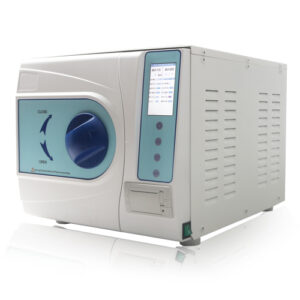
It’s really important to stay up-to-date with dental autoclave maintenance, not just to ward off expensive breakdowns, but also to keep patients safe and code-compliant. If offices are diligent about maintenance, they’ll be able to keep their autoclaves around longer, keep unwanted downtime at bay, keep sterilization effectiveness just right, and end up saving time and money.
Why Your Dental Autoclave Needs Maintenance
Dental autoclaves are key pieces of equipment in infection control, and proper maintenance keeps them working accurately. Understanding the fundamental benefits and operation principles of these sterilization devices is essential before diving into maintenance protocols.
Cost of Equipment Failure
Breakdowns of equipment are costly, both in repair/replacement costs and due to the fact that daily activity in the clinic will be disrupted. Unplanned downtime might require appointment rearrangement, reducing productivity and even jeopardizing patient confidence. Preventive maintenance eliminates such risks because potential issues are detected before they happen.
Patient Safety Risks
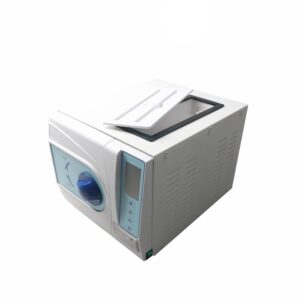
A malfunctioning autoclave may impact sterilization protocols, risking possible exposure of patients to bacteria, viruses, or other pathogens. Systematic inspection of seals, pressure gauges, and water quality ensures that every instrument is sterile, maintaining both clinical safety and compliance.
Regulatory Compliance
Dental clinic regulations mandate proper sterilization records and functional equipment. Failing to keep up with autoclave maintenance can lead to non-compliance, penalties, or even closure. Routine maintenance of your autoclave, as per manufacturer and statutory specifications, is therefore imperative.
Daily Dental Autoclave Maintenance
Scheduled maintenance keeps your autoclave in good working order and prevents small issues from becoming large headaches.
Step 1: Pre-Use Inspection
Just take a good, swift glance beforehand for signs of wear, leaks, or breakage around the chamber and control panel. Ensure that all of your door locks and your interlocks are functioning properly. Checking this equipment at the beginning of your workday helps prevent problems while in the sterilization cycle.
Step 2: Daily Chamber Cleaning
Clean the sterilization chamber daily to get rid of residue and discourage the accumulation of mineral deposits. Clean by using a soft cloth and approved manufacturer cleaners to prevent corrosion or damage. Effective steam penetration and reliable sterilization results are guaranteed by proper cleaning.
Step 3: Checking Water Levels
Check the water level before each cycle, with distilled or deionised water that meets the manufacturer’s specifications. Dirty or low-level water will reduce sterilisation efficiency and could cause internal damage. Consistency in both quality and level of water will protect equipment and also prevent damage to the autoclave.
Step 4: Recording Each Cycle
Keep a daily record of every sterilization cycle, such as cycle, temperature, pressure, and time. Not only does this recording aid in compliance with regulatory guidelines, but it also facilitates tracking of the performance of the autoclave over time so that anomalies can be detected early.
How Often Should a Dental Autoclave Receive Regular Maintenance?
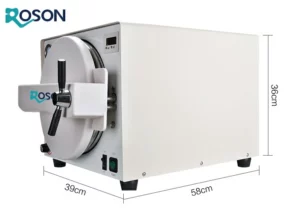
To keep a dental autoclave operating safely and efficiently, it’s important to follow a structured maintenance schedule that covers daily, weekly, monthly, and annual tasks. Regular upkeep helps prevent unexpected failures and prolongs the life of the equipment.
| Maintenance Interval | Maintenance Task | Specific Details | Execution Notes |
| Weekly | Filter Inspection and Cleaning | Check air intake filters for blockages | Clean or replace immediately if clogged |
| Weekly | Drain Line Clearance | Remove buildup from drain pipes | Ensure smooth, unobstructed water flow |
| Monthly | Seal Inspection | Inspect door and piping seals for wear | Replace immediately if cracks or hardening appear |
| Monthly | Water Quality Testing | Check distilled water against quality parameters | Maintain conductivity ≤ 15 µS/cm at 25°C |
| Quarterly | System Calibration | Calibrate temperature and pressure sensors | Use professional equipment for precise calibration |
| Quarterly | Deep Pipeline Cleaning | Remove scale and residue from steam lines | Employ recommended cleaning agents thoroughly |
| Annually | Full Professional Service | Inspect overall performance and replace worn parts | Service performed by certified technicians with report documentation |
A structured maintenance schedule from weekly checks to annual professional inspections ensures your autoclave runs reliably, reducing the likelihood of expensive failures.
How to Handle Dental Autoclave Problems
Warning signs that are seen and fixed prevent tiny issues from becoming costly catastrophes. Early notice usually prevents us from shelling out thousands of dollars in repair bills.
Step 1: Abnormal Temperature or Pressure Issues
If the temperature is out of range or pressure does not develop, cease operation at once. Inspect water level, gasket sealing, and clearance of the drain line. Take a reading and summon service people if difficulties continue after the initial diagnosis.
Step 2: Strange Noises from the Autoclave
New sounds are signs of mechanical stress or wear of a component. Grinding is usually related to bearing issues, while whistling shows failure of seals. Squealing, in general, shows issues of belt tension. Halt operations at once in case of odd sounds and plan a professional inspection.
Step 3: Failed Sterilization Results
Spoiled biologic indicators should be read immediately. Verify cycle parameters, correct loading methods, and chamber conditions. Equipment malfunction should never be hypothesized without procedural confirmation. Document evidence and re-run with fresh biologic indicators before normal operations.
Step 4: Reading and Understanding Error Codes
New autoclaves show proper error codes so repairs can be performed. Keep manufacturer code lists handy and comply with troubleshooting guidelines as needed. Keep error frequency patterns in writing because repeated codes indicate new issues that must be professionally repaired.
Early response to signs of trouble tends to resolve issues with minimal repairs rather than expensive component replacement.
When to Call for Professional Dental Autoclave Service
Expert services are also needed in issues that surpass in-house expertise or professional certification is mandated by regulatory specifications.
Annual Certification and Inspection
Standard codes mandate certified technicians to check performance at least once per year. The process includes a pressure test, adjusting the temperature, and proving the safety systems. The cost of routine professional maintenance is typically around US$500–3,000+ per year (without warranty or service contract)
Handling Major Equipment Failures
Multi-complex issues involved with heater elements, pressure systems, and electric controls necessitate professional equipment and knowledge. DIY fixing of this kind usually voids warranties and poses risks of injury. The professional diagnosis avoids costly trial-and-error methods.
Replacing Critical Autoclave Components
Portable pieces such as valves, gaskets, and heaters will possess defined service lives. Seasoned service foresees probable replacement requirements ahead of time, earning preferred maintenance instead of costly repair. Component ordering in bulk by service agreement typically lowers costs by a considerable amount.
Professional relations with qualified service providers secure a timely response in case of emergencies while achieving ultimate equipment performance at the cost of ownership.
Frequently Asked Questions
Q1: How Often Should a Dental Autoclave Be Serviced?
Autoclaves need professional service every 6–12 months, depending on use and water quality. Service includes inspection, calibration, and seal replacement. Skipping maintenance risks failures, incomplete sterilization, and compliance issues.
Q2: What Usually Causes Autoclave Problems?
Common issues are poor water quality, skipped cleaning, worn seals, and clogged filters. Hard water creates scale, and dirty chambers reduce sterilization. Regular checks and cleaning prevent most failures.
Q3: What Autoclave Maintenance Can Staff Do?
Clinic staff can handle daily checks, chamber cleaning, water refills, and logging cycles. More complex tasks—like seal replacement or calibration—must be done by certified technicians to ensure safety and protect warranties.
Conclusion
Ready to get the maximum out of your bulletproof autoclave maintenance? Take a gander at our no-cost daily checklist and schedule some professional service. Avoid costly emergency repairs—let’s get ahead of the game now with a few preventative measures so that later, you’re sailing along smoothly.
About the Author