 EN
EN  ZH
ZH 
Key Instrumentation in Cost-Effective Dental Chairs

The Delivery System: Engine of Clinical Efficiency
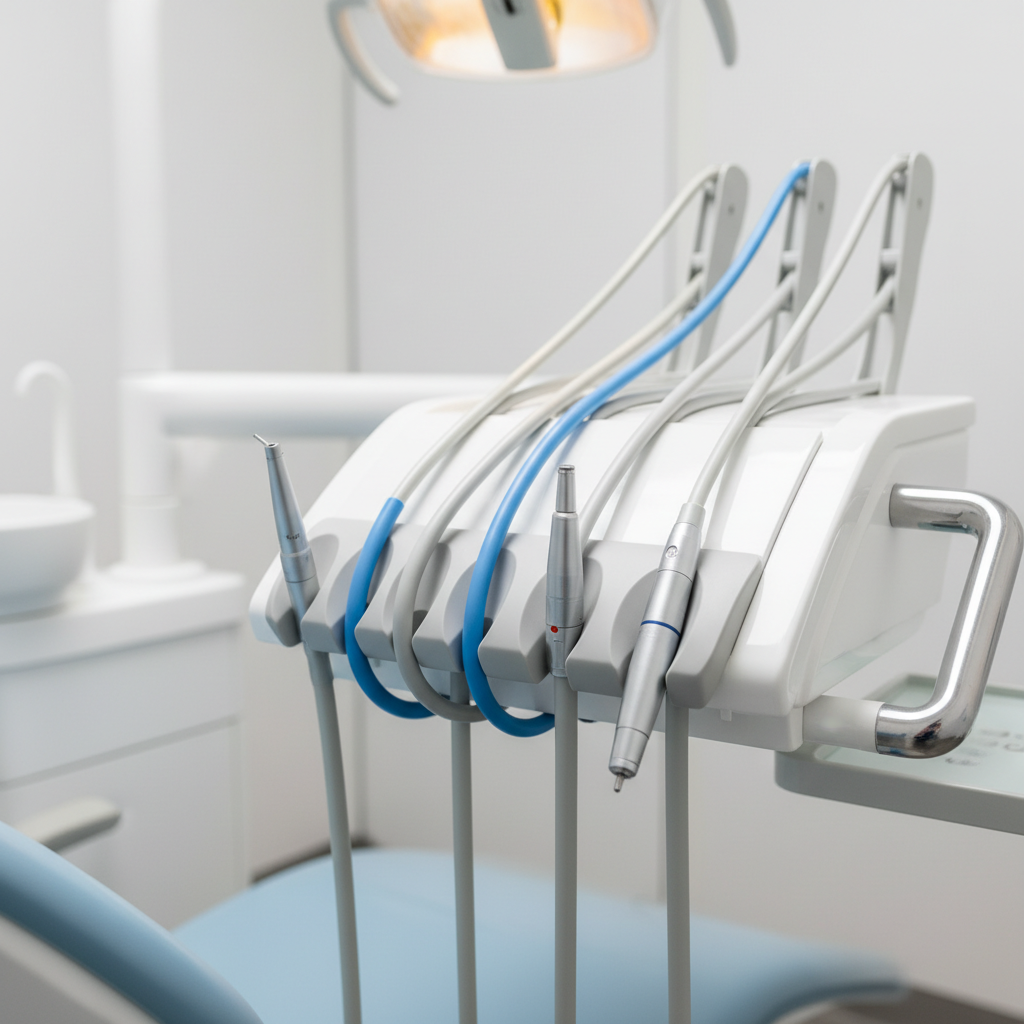
The dental chair’s delivery system is the central hub of your clinical workflow. It houses the handpieces, syringes, and scalers you use for nearly every procedure. Choosing the right configuration is not a matter of preference but a critical decision that directly impacts efficiency, ergonomics, and your clinic’s bottom line. A common mistake I often see is selecting a system based on its initial price tag, ignoring the long-term consequences of poor durability, inefficient workflow, and high maintenance costs. In reality, the design of the delivery system dictates how seamlessly your team can access instruments, which can save valuable seconds in every patient interaction.
Comparing Delivery System Types
Delivery systems are primarily available in three configurations: Over-the-Patient (OTP), Rear Delivery, and Side Delivery. Each has distinct implications for your practice.
| System Type | Primary Advantage | Key Disadvantage | Best Suited For |
|---|---|---|---|
| Over-the-Patient (OTP) | Maximum efficiency; keeps primary tools within a 30–50 cm work zone. | Can create a sense of clutter for anxious patients. | High-turnover general practices where speed is paramount. |
| Rear Delivery | Creates an open, uncluttered patient environment; saves floor space. | Increases instrument transfer time and potential for staff crossing. | Clinics focused on patient experience and aesthetics, such as orthodontics or cosmetic dentistry. |
| Side Delivery | Good balance of accessibility and clean aesthetics. | Can require more twisting and reaching, potentially causing ergonomic strain. | Smaller operatories or practices with a consistent, single-operator workflow. |
For high-volume clinics, an Over-the-Patient (OTP) system is often the most practical choice. By keeping essential instruments within immediate reach, it minimizes movement and reduces the time spent on instrument transfers. This seemingly small advantage compounds over dozens of appointments, boosting overall productivity.
Debunking the “Cheapest is Best” Myth
A common misconception is that a low-cost delivery system is a smart financial decision. This view overlooks the total cost of ownership. Durability is paramount. A cheaper system with a flimsy bracket arm or fragile holders will inevitably lead to more frequent repairs and costly downtime. When evaluating options, look for robust construction and ask potential suppliers about the materials used in pivot joints and instrument holders. Investing in a system with proven durability is a core principle of how chair durability impacts your clinic’s financial health.
Essential Instrumentation: Beyond the Basics
Once you’ve chosen a delivery system style, the focus shifts to the instruments themselves and the infrastructure that supports them. The quality and design of your tubing, suction, and couplings are what separate a functional operatory from a highly efficient one.
Handpiece Tubing: A Lesson in Reach and Retraction
The length and quality of your handpiece tubing can make or break your workflow. Based on extensive in-clinic observation, I’ve found a few heuristics to be incredibly effective:
- Optimal Length: Aim for handpiece tubing around 0.7–1.2 meters. Air/water syringe and scaler tubing can be slightly shorter.
- The Problem with Excess: Tubing that is too long creates drag, gets tangled, and catches on equipment, interrupting procedures.
- The Problem with Brevity: Tubing that is too short restricts movement, forcing awkward postures and interrupting a smooth workflow.
Quality matters here. Look for tubing that is flexible yet resistant to kinking and degradation from cleaning solutions. This small detail significantly extends the instrument’s service life.
Suction and Utilities: The Unsung Heroes
One of the most frequent mistakes made in equipping a new operatory is under-specifying the suction system. A system that can’t keep up with high-volume evacuation during complex procedures leads to constant interruptions, compromises visibility, and creates a poor patient experience. Your suction capacity should be directly matched to the types of procedures you perform most often.
Furthermore, all integrated systems must meet stringent quality and safety standards. For equipment sold in Europe, this means adhering to regulations like the EU Medical Device Regulation (MDR), which mandates specific requirements for design, manufacturing, and labeling. Similarly, compliance with quality management systems outlined in ISO 13485:2016 provides a strong indicator that the manufacturer is committed to producing safe, reliable, and well-documented equipment. This commitment to quality is a cornerstone of effective, cost-effective dental chair integration strategies.
Designing for Durability and Serviceability
A dental chair is a long-term investment, and its value is measured not just by its initial performance but by its reliability and serviceability over a decade or more. A chair that is frequently out of service is a drain on revenue and a constant source of frustration.
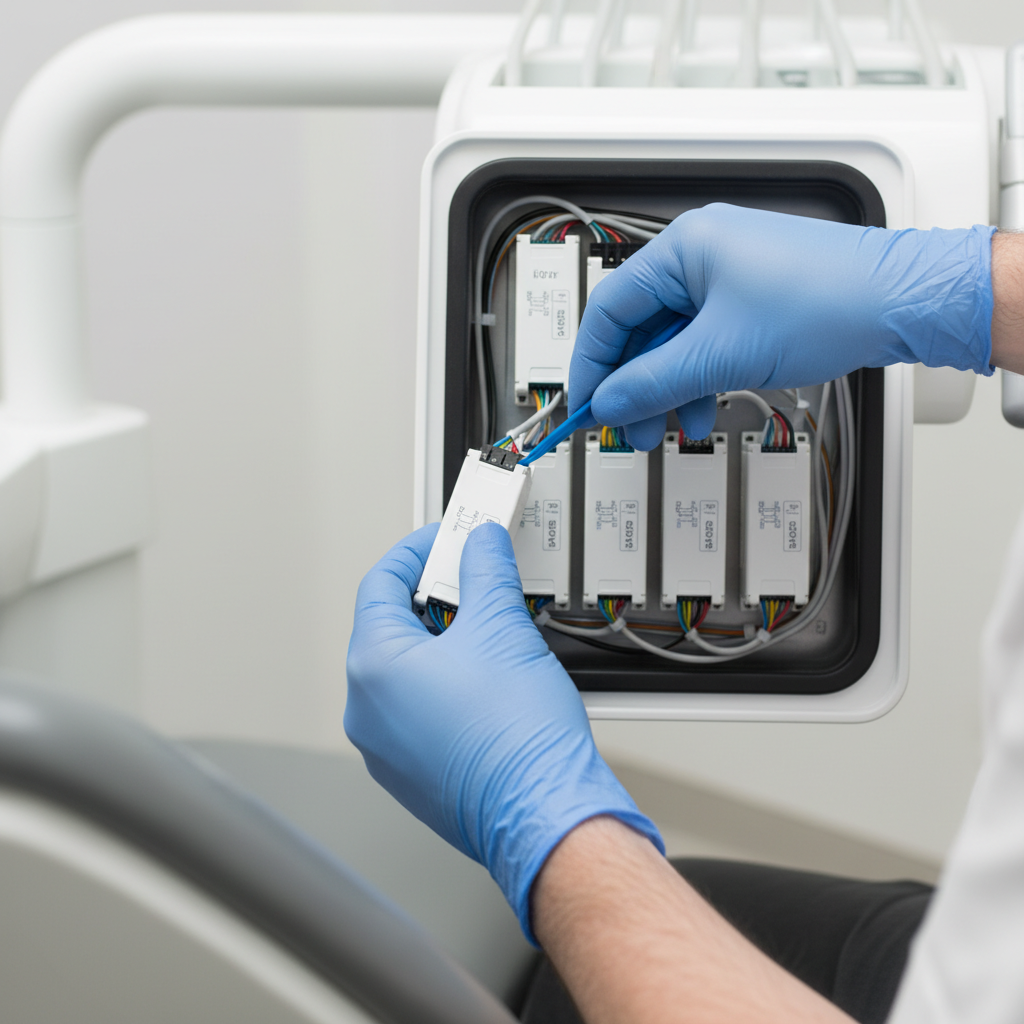
Pro Tip: Prioritize Modular Components
During the procurement process, serviceability should be a primary decision driver. I have consistently found that chairs with modular components and easily replaceable parts offer a significantly lower total cost of ownership. For example, modular handpiece couplings that can be swapped out in minutes are far superior to integrated designs that require a technician to service the entire delivery head. This modularity is a key factor in maximizing uptime and ensuring your practice runs smoothly.
A Practical Preventive Maintenance Checklist
To ensure longevity and prevent unexpected failures, a consistent preventive maintenance schedule is non-negotiable. In high-use clinics, this simple checklist can prevent the majority of common equipment failures.
-
Every 3 Months:
- [ ] Inspect all O-rings and seals for signs of wear or cracking.
- [ ] Check and clean all filters for water, air, and suction lines.
- [ ] Test and lubricate all moving parts on the delivery arm and instrument holders.
- [ ] Verify the function of all valves.
-
Every 6-12 Months:
- [ ] Replace all handpiece and syringe tubing.
- [ ] Perform a full calibration of air and water pressure settings.
- [ ] Inspect electrical connections for wear and tear.
- [ ] Keep a basic parts kit (valves, seals, common solenoids) on hand for quick fixes.
Adherence to a quality system, as required by regulations like the FDA’s Quality System Regulation (21 CFR Part 820), ensures that manufacturers provide clear maintenance guidelines and spare parts availability.
Ergonomics: A Core Requirement for Clinic Health
Ergonomics isn’t a luxury feature; it’s fundamental to the long-term health of your clinical staff and the financial health of your practice. Poor ergonomics leads to musculoskeletal strain, fatigue, and burnout, which directly impacts productivity and can lead to costly worker compensation claims. For dentists, hygienists, and assistants who spend hours a day in static postures, the design of the chair and instrumentation system is critical.
One of the most important, and often overlooked, specifications is the chair’s vertical adjustment range. A good rule of thumb is to select a chair with at least 35–40 cm of vertical travel. This range is crucial to accommodate clinicians of different heights and to allow for proper patient positioning for both supine and upright procedures. This adaptability is especially important when considering ergonomics for dentists treating special needs patients, where flexible positioning is key to providing effective care.
Key Takeaways
When investing in a cost-effective dental chair, the goal is to secure a reliable, efficient, and durable workhorse for your practice. Instead of being swayed by a low initial price or unnecessary high-tech features, focus on the fundamentals that deliver a true return on investment:
- Choose the Right Delivery System: Select a system (OTP, Rear, or Side) that matches your clinic’s workflow and volume, not just your budget.
- Focus on Serviceability: Prioritize chairs with modular components, accessible parts, and clear maintenance guidelines. This dramatically reduces downtime and life-cycle costs.
- Don’t Skimp on Utilities: Ensure your suction and air/water systems are robust enough to handle your most common procedures without interruption.
- Demand Foundational Ergonomics: A sufficient vertical adjustment range and well-designed instrument placement are essential for protecting your staff from long-term strain.
By prioritizing these core instrumentation features, you can equip your clinic with a dental chair that enhances efficiency, supports your team, and provides reliable service for years to come.
Disclaimer: This article is for informational purposes only and does not constitute professional medical or financial advice. Clinic owners should consult with equipment specialists and financial advisors to determine the best solutions for their specific needs. Always ensure that any equipment purchased complies with local and national regulatory standards.
References
About the Author