 EN
EN  ZH
ZH 
Choosing a Lift System for a New Dental Clinic

The Heart of the Operatory: Choosing the Right Dental Chair Lift System
Setting up a new dental clinic involves a cascade of critical decisions, each impacting your budget, workflow, and long-term profitability. Among the most fundamental of these is selecting the dental chair, the centerpiece of your operatory. While features like upholstery and instrument integration are important, the lift system—the engine that drives the chair’s movement—is the foundation of its performance and reliability.
For new clinics, especially those focused on affordability, durability, and efficiency, the choice typically comes down to two primary technologies: hydraulic and electromechanical. This article provides a technical comparison to help you understand the upfront costs, installation needs, and long-term value of each, ensuring you make an investment that serves your practice for years to come.
Understanding the Core Technologies: Hydraulic vs. Electromechanical
At a glance, both systems accomplish the same task: lifting and lowering the patient. However, their underlying mechanisms create distinct differences in performance, maintenance, and cost.
Hydraulic Lift Systems
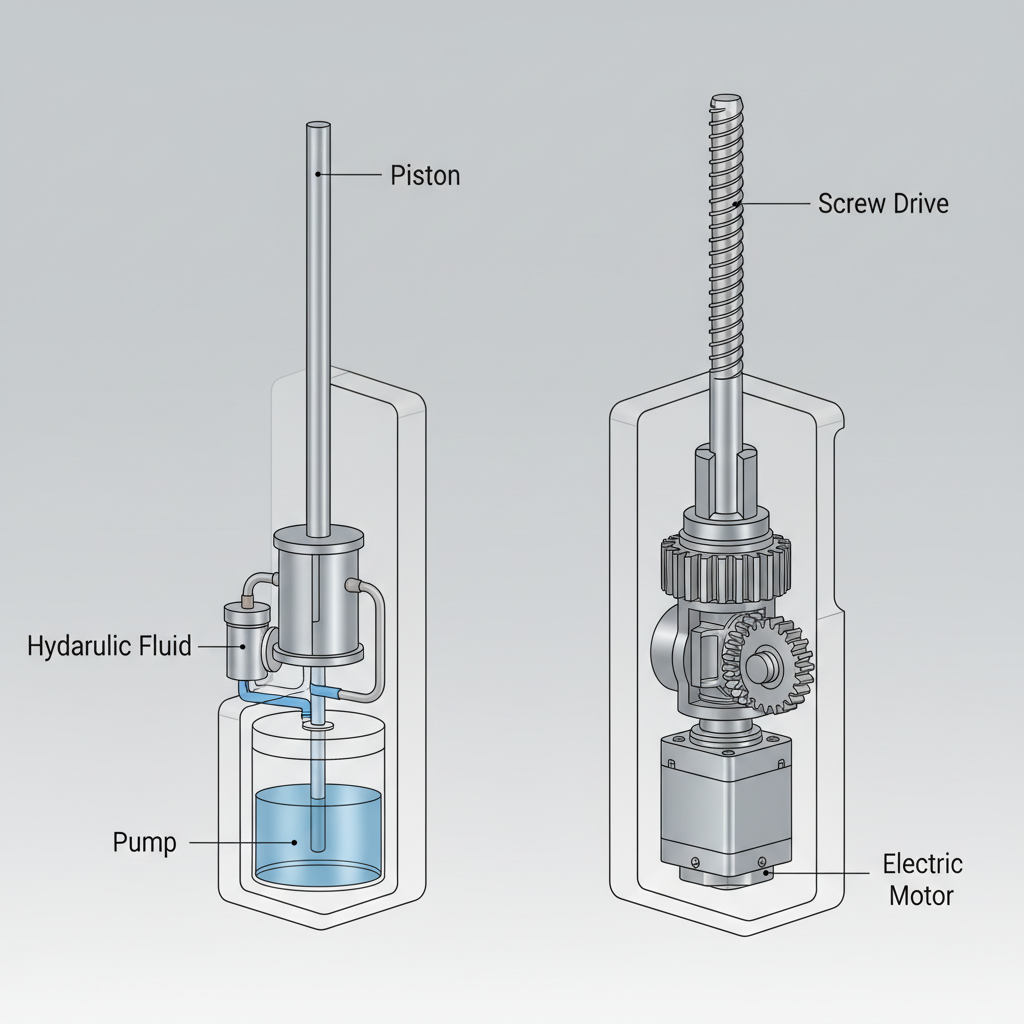
Hydraulic systems operate on the principle of fluid dynamics. A pump moves incompressible hydraulic fluid into a cylinder, pushing a piston to lift the chair. Releasing the fluid allows the chair to lower smoothly. This technology is time-tested and known for its ability to handle significant weight with exceptionally smooth motion.
- Strengths: Unparalleled smoothness, high lifting capacity, and a generally lower upfront purchase price.
- Considerations: Requires periodic maintenance of fluids and seals to prevent leaks and ensure consistent performance.
Electromechanical Lift Systems
Electromechanical systems use an electric motor connected to a screw or gear mechanism. As the motor turns, it drives the screw, which raises or lowers the chair. This direct-drive approach offers exceptional precision and positional control, allowing for exact, repeatable chair placement.
- Strengths: High precision, excellent reliability with minimal routine maintenance, and no risk of fluid leaks.
- Considerations: Can have a higher initial cost and may produce a slightly more audible sound during operation compared to silent hydraulic systems.
Head-to-Head Comparison: Key Decision Factors for a New Clinic
Choosing between these two systems requires weighing their trade-offs against your clinic’s specific priorities. I have found that focusing on total cost of ownership and reliability, rather than just the initial price tag, leads to better long-term outcomes. For a clear overview, here’s a direct comparison of critical factors:
| Feature | Hydraulic Lift System | Electromechanical Lift System |
|---|---|---|
| Performance | Exceptionally smooth, fluid motion. | Precise, repeatable positioning. |
| Upfront Cost | Generally lower. | Generally higher. |
| Maintenance | Periodic fluid/seal inspection (12-24 months). | Minimal; motor brush/encoder checks (3-5 years). |
| Reliability | Very high with proper maintenance. | Very high, less sensitive to neglect. |
| Load Capacity | Excellent, handles heavy loads with ease. | Strong, but must be specified correctly. |
| Noise Level | Virtually silent. | Low but audible motor sound. |
| Leak Risk | Low but possible over time if seals degrade. | None. |
Performance and Patient Comfort
The smoothness of a hydraulic lift is its signature feature. The motion is gentle and continuous, which can enhance comfort for anxious patients. Electromechanical systems, while not jarring, offer a different kind of performance centered on precision. This allows for exact adjustments that can improve practitioner ergonomics. A good rule of thumb for both systems is to target a full vertical travel time of 5–10 seconds—a speed that balances patient comfort with workflow efficiency.
Debunking a Common Myth: Reliability and Maintenance
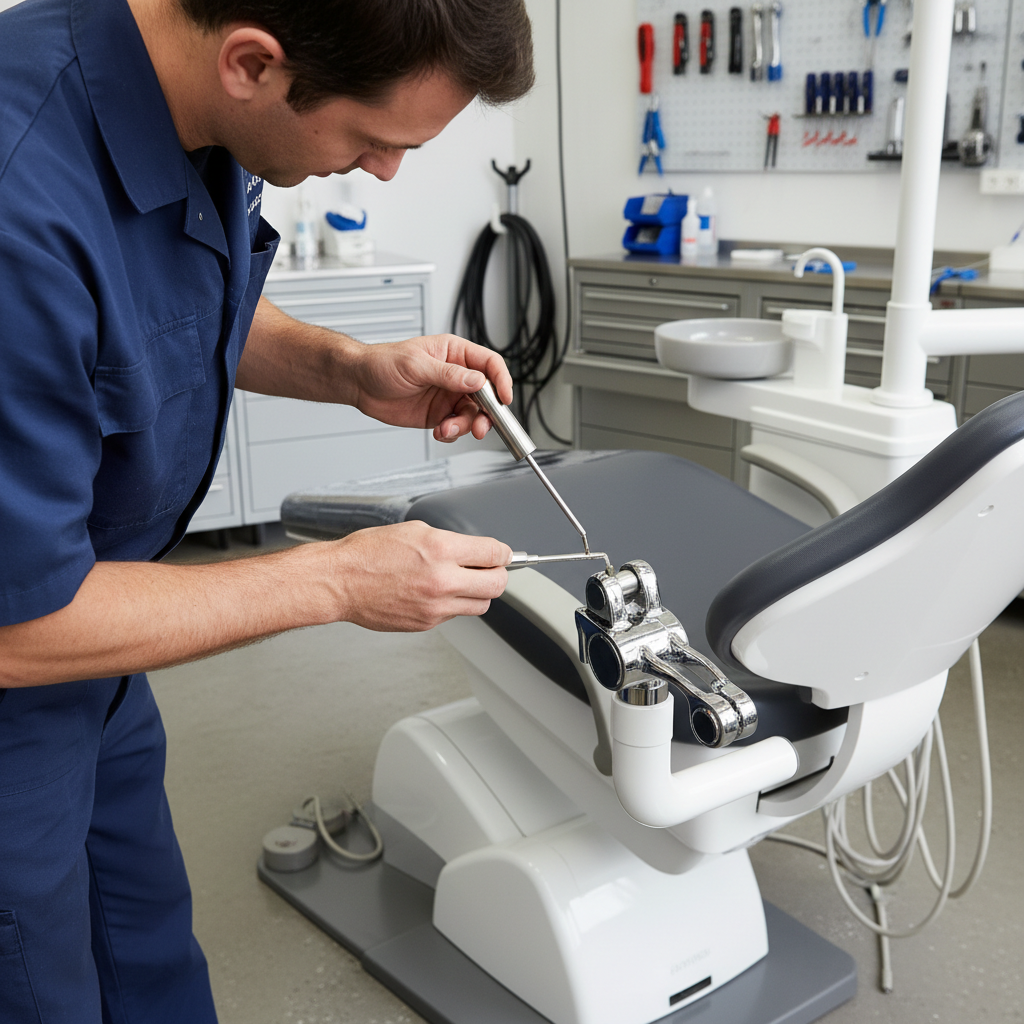
A common misconception is that hydraulic systems are inherently unreliable and prone to leaks. In reality, a well-maintained hydraulic chair from a quality manufacturer is exceptionally reliable. The key is adherence to a service schedule. From my experience in practice, issues almost always arise from deferred maintenance. An electromechanical system is more forgiving if a check-up is missed, but both require professional attention to maximize their lifespan.
Here’s a practical maintenance rhythm I recommend:
- 6–12 Months: Visual inspection of all components, checks of service panels, and light lubrication of moving parts.
- 12–24 Months: For hydraulic systems, this is the window for a thorough inspection of hydraulic fluid levels and seals.
- 3–5 Years: For electromechanical systems, a check of motor brushes or position encoders is advisable.
Budgeting for this is crucial. A wise practice is to allocate approximately 3–7% of the chair’s initial purchase price for annual maintenance. This proactive approach is a core part of balancing affordability and durability in dental chairs and ultimately protects your investment.
Durability and Load Capacity
One of the most frequent mistakes I see installers make is under-specifying the weight capacity. To ensure long-term durability, you must calculate the total load: the chair’s own weight, the maximum expected patient weight, and the weight of any integrated accessories (like lights or delivery units). I always recommend adding a 20–30% safety margin on top of that total. Hydraulic systems are naturally robust under heavy loads, while electromechanical systems must be specified carefully to match your clinic’s needs.
Compliance, Safety, and Installation
Beyond performance, ensuring your equipment meets regulatory standards is non-negotiable. It protects your patients, your staff, and your business.
Regulatory Adherence and Quality Management
When purchasing a dental chair, verification of its compliance certifications is essential. For clinics in Europe or those aspiring to meet global quality benchmarks, look for CE Marking, which indicates conformity with health, safety, and environmental protection standards. Furthermore, manufacturers who adhere to the ISO 13485:2016 standard demonstrate a robust quality management system for medical devices. In the United States, equipment must comply with FDA regulations, such as the Quality System Regulation outlined in 21 CFR Part 820. These certifications are a mark of authoritativeness and trust, signaling that the equipment is designed and manufactured to rigorous safety and performance protocols.
Installation and Staff Training
Proper installation is critical for both safety and serviceability. Ensure your installer allows for 30–40 cm of clearance behind the chair for service access. They must also verify the local mains voltage and grounding, and confirm leakage protection is in place.
Finally, never overlook the importance of training. A single 30–60 minute session for your staff covering safe adjustment, locking positions, and the manual override procedure is invaluable. It drastically reduces the risk of misuse-related wear and tear, safeguarding both the patient and the equipment.
Wrapping Up: Making the Right Choice for Your Clinic
The decision between a hydraulic and an electromechanical lift system is not about which is universally “better,” but which is the right fit for your clinic’s operational and financial model.
- Choose a Hydraulic System if: Your priority is minimizing upfront investment while providing an exceptionally smooth patient experience, and you have a disciplined approach to preventative maintenance.
- Choose an Electromechanical System if: Your top priorities are positional precision, operational efficiency for a high-volume practice, and minimizing the frequency of routine maintenance.
Ultimately, a dental chair is a long-term asset. By looking beyond the initial price and considering factors like maintenance, practitioner ergonomics, and total cost of ownership, you can make a strategic investment that supports your clinic’s financial health and commitment to patient care.
Disclaimer: This article is for informational purposes only and does not constitute professional engineering or financial advice. Equipment specifications and regulatory requirements can change. Always consult with qualified equipment suppliers and financial advisors to make decisions based on your specific clinical needs and local regulations.
References
- ISO 13485:2016 – Medical devices — Quality management systems: https://www.iso.org/standard/59752.html
- CE Marking – European Conformity: https://ec.europa.eu/growth/single-market/ce-marking_en
- FDA 21 CFR Part 820 – Quality System Regulation: https://www.fda.gov/regulatory-information/search-fda-guidance-documents/quality-system-regulation-medical-devices
About the Author