 EN
EN  ZH
ZH 
Chair Features That Minimize Waterline Contamination

Smart Design: How Dental Chair Features Can Minimize Waterline Contamination
Dental unit waterline contamination is a persistent challenge in modern dentistry. The intricate network of narrow tubes that deliver water to handpieces and syringes creates an ideal environment for microbial biofilm to develop. This biofilm can compromise patient safety and the integrity of dental work. While rigorous flushing and chemical treatment protocols are essential, the foundational design of the dental chair itself is the first and most critical line of defense.
Discover how specific, intelligent features in modern dental chairs—from the material of the tubing to the design of the water reservoir—can simplify infection control and prevent biofilm formation. Choosing equipment with these features is a direct investment in patient safety, staff efficiency, and regulatory compliance. This article connects equipment choice to improved infection control outcomes, emphasizing reliable, serviceable, and cost-effective solutions.
The Foundation of Clean Waterlines: Tubing and System Layout
The physical path water travels through a dental unit is a primary factor in contamination risk. Stagnation is the enemy of clean waterlines, and smart design choices directly combat it by promoting consistent flow and minimizing areas where microbes can settle and multiply.
Material and Tubing Design Matter
The material and structure of the waterline tubing play a significant role in biofilm prevention. Many legacy systems use tubing with rougher internal surfaces, which provide microscopic attachment points for bacteria to initiate a colony. Modern, thoughtfully designed chairs often utilize smooth-bore, larger-diameter tubing. I’ve seen firsthand in clinical settings how this simple design choice makes a difference. The smoother surface offers less for bacteria to cling to, and the wider diameter reduces water stagnation and shear-stress variability, making it harder for biofilm to establish a foothold.
Furthermore, minimizing the number of bends and connectors in the tubing layout is crucial. Every joint or sharp turn creates turbulence and a potential stagnation point where water flow slows, allowing microorganisms to accumulate. A streamlined, simple tubing path is an indicator of a well-designed system focused on infection control. For a deeper look into this topic, our guide on A Deep Dive into Dental Chair Waterline Management provides additional context.
Anti-Retraction Valves: A Critical, Non-Negotiable Checkpoint
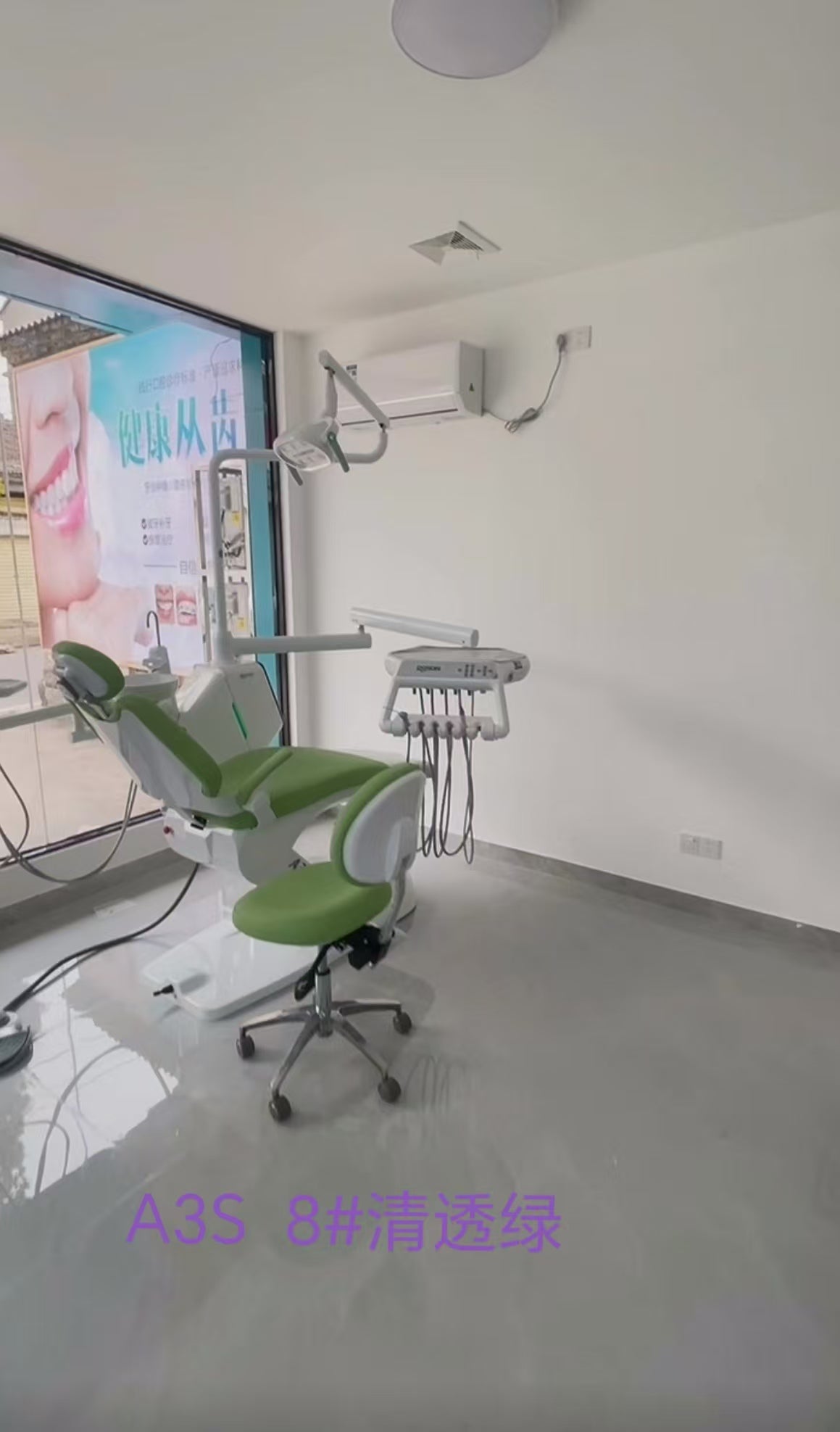
Anti-retraction valves are a vital safety feature designed to prevent the backflow of oral fluids from a patient’s mouth into the dental unit’s waterlines. This function is critical for preventing cross-contamination between patients. However, these valves are not a “set and forget” component.
From years of servicing dental equipment, I can attest that the internal valve seating degrades over time due to wear and exposure to water and disinfectants. A failing valve can be completely ineffective. This is why a scheduled inspection every 6 to 12 months is essential. A chair designed for serviceability will make these valves easily accessible, encouraging routine checks and replacement. This proactive maintenance ensures the chair remains compliant and safe, aligning with the quality management principles found in standards like ISO 13485:2016, which governs medical device quality.
Active Water Management Systems
Beyond the passive design of the plumbing, active systems for managing water quality provide clinicians with direct control over infection prevention protocols. These features are central to a modern, effective waterline maintenance strategy.
Independent Water Reservoirs
A chair equipped with an independent water reservoir decouples the unit from reliance on municipal water. This is arguably one of the most important features for controlling water quality. Municipal water, while treated, can have variable microbial loads and is not sterile. An independent bottle system allows the clinic to use distilled, sterile, or specifically treated water for all procedures. This is especially critical for surgical procedures where the highest level of asepsis is required.
However, a common mistake I’ve observed is treating the reservoir itself as a permanently clean source. These bottles must be cleaned and disinfected daily. If neglected, the reservoir can become a significant source of contamination, seeding the rest of the waterline system with microbes.
Integrated Disinfection Systems
Many modern dental units now feature integrated waterline disinfection systems that automate part of the cleaning process. These can include automated flush cycles that purge stagnant water or systems that continuously introduce a low dose of a disinfecting agent to suppress microbial growth. While these features are highly beneficial, they must be understood within a broader maintenance context.
Expert Warning: The Myth of Full Automation
A common misconception is that dental chairs with automated flushing or cleaning cycles eliminate the need for manual protocols. This is a dangerous assumption. Automated flush cycles are often too short or may be limited to specific lines, potentially missing areas like air/water syringe lines. They are a powerful supplement to, not a replacement for, a consistent manual flushing and chemical treatment regimen. Always follow the manufacturer’s validated protocols for disinfectants and contact times to ensure efficacy.
Practical Protocols and Serviceability: Making Compliance Easy
The most effective infection control protocol is one that is followed consistently. Therefore, a dental chair’s design should make these protocols as easy as possible to perform. This is where thoughtful, practical engineering focused on serviceability provides immense value.
Designing for Easy Access
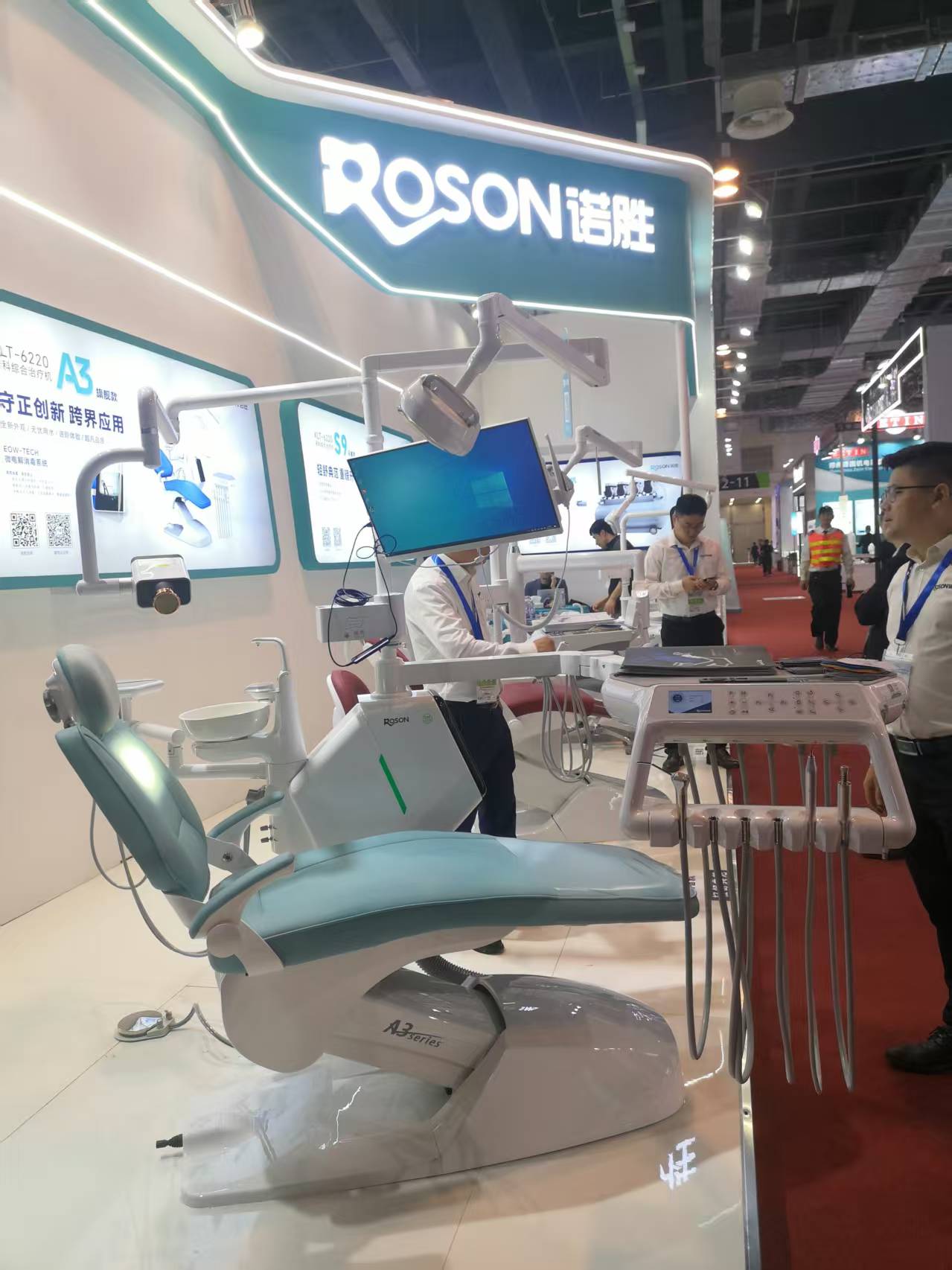
When tubing channels are buried deep within a chair and require special tools to access, it creates a barrier to regular inspection and maintenance. We prioritize chairs with easy-access panels and logically routed tubing. This simple design consideration significantly reduces service time for routine tasks like replacing tubing or inspecting valves. When a task is faster and simpler, staff are more likely to perform it correctly and on schedule, leading to better long-term water quality. This focus on practical infection control is also reflected in how a well-designed dental delivery system aids in infection control.
A Practical Waterline Maintenance Checklist
To ensure compliance and maintain optimal water quality, we recommend implementing a clear, logged maintenance schedule. An effective protocol combines daily, weekly, and periodic tasks.
| Frequency | Task | Rationale |
|---|---|---|
| Daily (Start of Day) | Flush each handpiece/syringe line for 20-30 seconds. | Purges stagnant water that has collected overnight, reducing microbial load. |
| Between Patients | Flush each handpiece/syringe line for 20-30 seconds. | Minimizes potential cross-contamination by flushing any contaminants introduced during the previous procedure. |
| Daily (End of Day) | Empty and disinfect the independent water reservoir. | Prevents the reservoir from becoming a source of contamination. |
| Weekly | Perform a chemical “shock” treatment. | Kills existing biofilm and free-floating microbes within the lines. (Follow manufacturer guidelines). |
| Every 6-12 Months | Inspect and test anti-retraction valves. | Ensures valves are functioning correctly to prevent backflow. |
| Periodically | Perform microbial water testing at distal outlets. | Validates that the infection control protocol is effective and meets regulatory standards. |
Keeping a detailed equipment log with dates for flushing, reservoir changes, valve inspections, and microbial test results is a best practice that supports compliance with regulations like the FDA’s 21 CFR Part 820.
Validating and Monitoring Water Quality
Ultimately, the proof of an effective system and protocol is in the water quality itself. A well-designed chair facilitates the final, critical step of any infection control program: monitoring.
Testing water quality should always be done at the distal outlets—the handpiece or air/water syringe tip—not at the source reservoir. This is the water that will actually contact the patient, and it’s the only way to get an accurate measurement of the effectiveness of your waterline maintenance protocol. Regular testing provides the data needed to confirm that your equipment and procedures are working together to keep water safe. For clinics operating in or selling to the European market, robust documentation and validation are key to meeting the requirements for CE Marking.
Wrapping Up: Key Takeaways for Clinic Owners
A dental chair is not a passive piece of furniture; it is an active component of your clinic’s infection control ecosystem. When selecting a new or replacement chair, looking beyond the upholstery and patient comfort features is critical.
The most important features for minimizing waterline contamination are those grounded in practical, reliable design:
- Smooth-bore, logically routed tubing that resists biofilm attachment and eliminates stagnation points.
- Effective and accessible anti-retraction valves that prevent backflow and are easy to maintain.
- Independent water reservoirs that give you full control over your water source.
- Service-friendly design with easy-access panels that encourages and simplifies routine maintenance.
Investing in a dental chair built with these principles in mind is a direct investment in patient safety, operational efficiency, and long-term peace of mind. It simplifies compliance, empowers your staff to follow best practices, and builds a foundation of trust with every patient you treat.
Disclaimer: This article is for informational purposes only and does not constitute professional medical or regulatory advice. Dental clinics should always consult their equipment manufacturer’s specific guidelines for operation, maintenance, and disinfection, and adhere to all local and national regulatory standards for dental unit waterline safety.
References
- ISO 13485:2016 – Quality Management Systems: https://www.iso.org/standard/59752.html
- FDA 21 CFR Part 820 – Quality System Regulation: https://www.fda.gov/regulatory-information/search-fda-guidance-documents/quality-system-regulation-medical-devices
- CE Marking – European Conformity: https://ec.europa.eu/growth/single-market/ce-marking_en
About the Author