 EN
EN  ZH
ZH 
Choosing the Right Dental Compressor Size for Your Practice

Finding the right dental air compressor for your practice isn’t brain surgery but is more important than most dentists realize. Your compressed air system is the cornerstone of every procedure you do. Without proper airflow, your handpieces won’t work properly, your air-water syringes will chug along unevenly, and your patients will notice. The key is choosing a compressor of the correct size based on your actual chair count and use pattern and then augmenting it with about 20-30% extra capacity for those peak use days when everything is being used at once.
Why Does Your Practice Need a Dedicated Air Compressor Dental System?
Standard shop compressors are not up to snuff when it comes to a dental practice. Here’s why you need something designed specifically for healthcare.
Medical Grade Levels of Air Quality
Your patients are breathing this air, and your equipment is dependent on it being clean. Medical-grade compressors purge moisture, oil contaminants, and bacteria that can infect your work area. Standard industrial compressors push oil throughout the system in lubrication, but that oil can end up being placed into your patient’s mouth or damaging your high-ticket handpieces.
Oil Free Technology Benefits
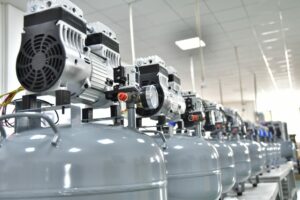
This is where oil-free dental air compressor technology takes center stage. There are special coatings and materials used on these compressors instead of oil for lubrication. That implies no oil, and therefore, no danger of contamination, cleaner dental air lines, and less maintenance woes in the future.
Sound Control Specifications
Who is going to work next to a jackhammer all day? There are dental compressors that are very quiet and run at under 60 decibels. That is roughly the sound of average conversation, so your staff can actually talk to one another, and your patients feel at ease.
Your practice is worth equipment that facilitates great patient care, and it begins with clean, dependable compressed air.
How Do You Calculate Your Dental Air Compressor Needs?
With our math breakdown, you end up with precisely what you need and don’t pay too much. This is vital when deciding on the proper compressor dental unit.
Step 1: Count Your Chairs and Equipment
Start with the basics. How many operatory chairs do you have? Specify each one, including any specialty chairs such as those for oral surgery. Don’t forget to list your lab equipment, curing lights, air scalers, and other air-operated devices. Each of these contributes to your overall requirements.
Make a detailed list of everything powered by compressed air—you might be surprised at how many items rely on your air system beyond the basic chair setups.
Step 2: Calculate Base Air Consumption Per Chair
4-6 CFM is consumed by each dental chair under typical operating conditions. High-speed handpieces are the worst air hogs when they are up and running, but spend their time running in very short intervals. Air-water syringes are a little more constant and consume 2-3 CFM or so each. Suction systems add another 1-2 CFM per chair.

This is where others make mistakes. They calculate the peak use of each piece of equipment, but it is not feasible. You are never going to run everything at peak power at one time.
Step 3: Determine Additional Equipment Needs
Specialized tools like sandblasters or model trimmers can add up to 3-5 CFM. Air scalers use about 2 CFM when operating. High-Intensity Cure lights with air cooling use 1-2 CFM. There are some practices that utilize air-activated handpiece cleaners or other special tools that use up extra air.
Do not forget about eventual upgrades of equipment. Should you decide within a few years to bring new technologies online, factor in the cost now.
Step 4: Identify Peak Periods of Usage
This is where the majority of individuals go awry. Check your schedule at the peak of your activity. How many chairs are operating at once? Chances are, your practice is only at 60-80% productivity within peak hours and not 100%.
Test your real-world use once a week. Note the number of chairs being used at the same time and what equipment is used together. This real-world use data is better information than maximums based on assumptions.
Step 5: Add Your Safety Buffer
Use your peak demand value and 25-30% added capacity. This buffer accounts for unexpected spikes in demand, makes allowances for wear and tear on equipment, and prevents your system from operating at peak capacity continuously. Keeping a compressor at 100% capacity continuously significantly decreases its life.
The safety buffer also allows you space to expand. It will not need a full system replacement later, when you can add an extra chair if you were forward-thinking.
Step 6: Calculate Your Storage Tank Size
Your air tank is like a battery and serves to store compressed air available for quick use. Larger tanks offer more steady pressure and cycle less often. You will need at least 25 gallons of storage space per chair service, and larger offices will need disproportionately larger storage.
Compressed tank size determines how frequently your compressor will begin and end. Additional storage translates to longer run times and reduced wear on components and the motor.
This systematic approach ensures your dental air compressor is effective at real-world demands.
What’s the Best Compressor Dental Unit for Different Practice Sizes?
Here’s how differently sized practices should approach their compressed air needs:
| Practice Size | Small (1-3 Chairs) | Medium (4-6 Chairs) | Large (7-12 Chairs) | Multi-Location (12+ Chairs) |
| Recommended CFM | 8-15 CFM | 20-35 CFM | 40-65 CFM | 70+ CFM |
| Tank Size | 80-120 gallons | 120-240 gallons | 240-500 gallons | 500+ gallons |
| System Type | Single quiet unit | Dual pump backup | Redundant systems | Central plant setup |
| Budget Range | $3,000-8,000 | $8,000-15,000 | $15,000-30,000 | $30,000+ |
Small practices can usually get by with a single, well-sized unit. Medium practices should consider backup systems to avoid appointment cancellations.
What Key Features Matter When Choosing a Dental Oil Free Air Compressor?
Don’t get swayed by fancy marketing terms. Focus on what makes a real difference to your everyday business operations and long-term success.
Power Efficiency and Operating Costs
Look for compressors with variable speed drives that automatically adjust output power based on demand. While these units cost more upfront, they deliver significant savings on your monthly electrical bills. Smart compressors can reduce energy consumption by up to 30% compared to fixed-speed models, making them a wise long-term investment for busy practices.
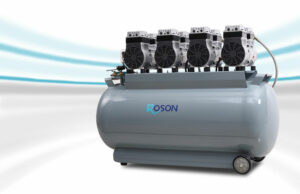
Storage Capacity Planning
Larger tanks provide superior pressure stability and reduce compressor cycling frequency. This translates to longer equipment lifespan, steadier performance during peak usage, and fewer interruptions during procedures. Proper tank sizing also prevents pressure drops that can affect handpiece performance and patient comfort.
Service and Maintenance Requirements
Simpler systems are more reliable and cost-effective to maintain. Choose compressors with easily accessible air filters, clear diagnostic displays, and straightforward gauge readings that your staff can monitor. Look for models with fewer moving parts and components that don’t require specialized tools for routine maintenance.
Additional Considerations
Consider noise levels, warranty coverage, and local service availability. The right compressor should integrate seamlessly into your practice workflow without disrupting patient care.
The correct features combine performance, efficiency, and dependability tailored to your specific practice needs and budget constraints.
FAQ
Q: How Many CFM Do My Individual Dental Chairs Need From My Air Compressor Dental System?
Most chairs need 4-6 CFM under average use. High-speed handpieces consume 35-40 CFM when they are used, but are used only at intervals and hence consume average use at considerably lower rates.
Q: Will a Standard Compressor Work Like a Dental Oil-Free Air Compressor?
No. Industrial compressors are lubricated with oil that spoils your air supply and ruins dental equipment. Patient protection and equipment safeguarding mandate oil-free technology.
Q: How Large a Compressor Dental Unit Does a 4-Chair Practice Require?
25-30 CFM is needed by a 4-chair practice with 200+ gallon storage. Dual-pump systems are suggested where backup feature use is desired in heavy-use professions.
Update Your Practice With a New Compressed Air System Now!
It is a question of choosing the right dental compressor that meets your actual needs and careful planning. Project your requirements based on the number of chairs, equipment, and potential use cases rather than assuming.
Prepared to give your practice a new compressed air system? Dial up a dental equipment expert now and get a proper system assessment and advice tailored to your price range. Your patients and bottom line will appreciate reliable, correctly-sized equipment that gets your practice up and running with minimal downtime.
About the Author