 EN
EN  ZH
ZH 
A Guide to Bulk-Buying Dental Chairs from Distributors

Strategizing Your Bulk Purchase: A Framework for Success
Purchasing dental chairs in bulk is a significant capital investment that defines the operational backbone of a large clinic or training institution for years. The process goes far beyond negotiating a low unit price; it requires a strategic approach that prioritizes long-term reliability, operational efficiency, and total cost of ownership. Before engaging with distributors, it’s crucial to establish a clear internal strategy based on your specific clinical or educational demands.
Define Your Operational Blueprint
The ideal dental chair for a high-throughput clinic is not necessarily the best choice for a dental training center. High-volume clinics prioritize durability, ease of sterilization, and rapid patient turnover. In contrast, training centers may need chairs that are not only durable but also feature simpler controls and robust construction to withstand misuse by trainees.
I’ve learned from outfitting numerous facilities that standardization is one of the most effective cost-control measures. I advise my clients to standardize on no more than two or three chair models across their entire operation. This simple decision has a cascading effect: it drastically reduces the number of spare parts you need to keep in inventory, simplifies maintenance protocols, and streamlines training for both clinical and technical staff. This approach minimizes complexity and maximizes uptime.
The Non-Negotiable Step: In-Depth User Trials
One of the most common mistakes I see is purchasing chairs based on a catalog or a single demo. A chair that looks good on paper may create significant ergonomic challenges for your staff or prove uncomfortable for patients during long procedures. The only way to verify a chair’s suitability is to conduct a thorough on-site trial.
I recommend a trial period of at least one to two weeks, involving every type of user: the operator (dentist/hygienist), the assistant, and the patient. Create a scored checklist to gather objective feedback. This removes subjective bias and focuses the evaluation on what truly matters.

Sample Evaluation Checklist for On-Site Trials
| Feature Category | Checklist Item | Pass/Fail | Notes & Score (1-5) |
|---|---|---|---|
| Operator Ergonomics | Can the chair be positioned for clear line-of-sight? | ||
| Is the range of height adjustment adequate? | |||
| Are controls intuitive and easy to reach? | |||
| Assistant Access | Is there sufficient access to the patient’s oral cavity? | ||
| Can instruments and suction be positioned without strain? | |||
| Patient Experience | Is patient ingress and egress easy and safe? | ||
| Does the chair provide adequate support and comfort? | |||
| Maintenance & Safety | Are surfaces smooth and easy to sterilize? | ||
| Are pinch points and potential hazards minimized? |
Debunking a Common Myth: Purchase Price vs. Lifecycle Cost
A pervasive myth in procurement is that the lowest initial purchase price equals the best deal. In reality, the sticker price is just one component of the total cost of ownership (TCO). A cheaper chair can easily become more expensive over its lifespan due to higher maintenance costs, more frequent downtime, and shorter operational life. To make a truly informed decision, you must calculate the lifecycle cost.
A simple but powerful metric I use is the annualized lifecycle cost:
Cost per Year = (Purchase Price + (Average Annual Maintenance Cost × Years of Service) + Estimated Downtime Cost) / Years of Service
This formula forces you to consider the long-term financial picture. A slightly more expensive chair with a proven reliability record and lower maintenance needs often presents a far better return on investment. The financial impact of dental chair downtime can be substantial, and factoring it into your calculation provides a much more realistic cost assessment.
Evaluating Suppliers and Ensuring Long-Term Viability
Once you have a clear internal strategy, the next step is to vet potential suppliers and distributors. Your goal is to find a partner who not only offers a competitive price but also guarantees quality, compliance, and long-term support.
Verifying Quality and Regulatory Compliance
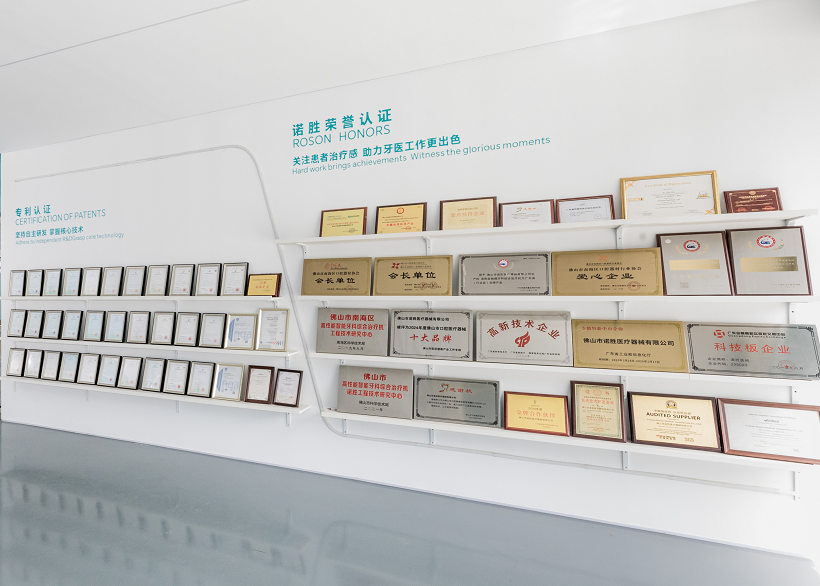
In the medical device industry, compliance is non-negotiable. Reputable manufacturers must adhere to stringent quality management and safety standards. When evaluating a supplier, you must verify their certifications. Look for adherence to ISO 13485:2016 – Quality Management Systems, which is the international standard for medical device quality management. This demonstrates a manufacturer’s commitment to producing safe and effective equipment.
Furthermore, for products sold in the European Union, CE Marking is mandatory and indicates conformity with health, safety, and environmental protection standards. For the U.S. market, manufacturers must comply with the FDA’s Quality System Regulation, outlined in FDA 21 CFR Part 820. Asking for documentation of these certifications is a critical due diligence step that protects your patients, staff, and institution.
Assessing the Supply Chain and Manufacturing Capacity
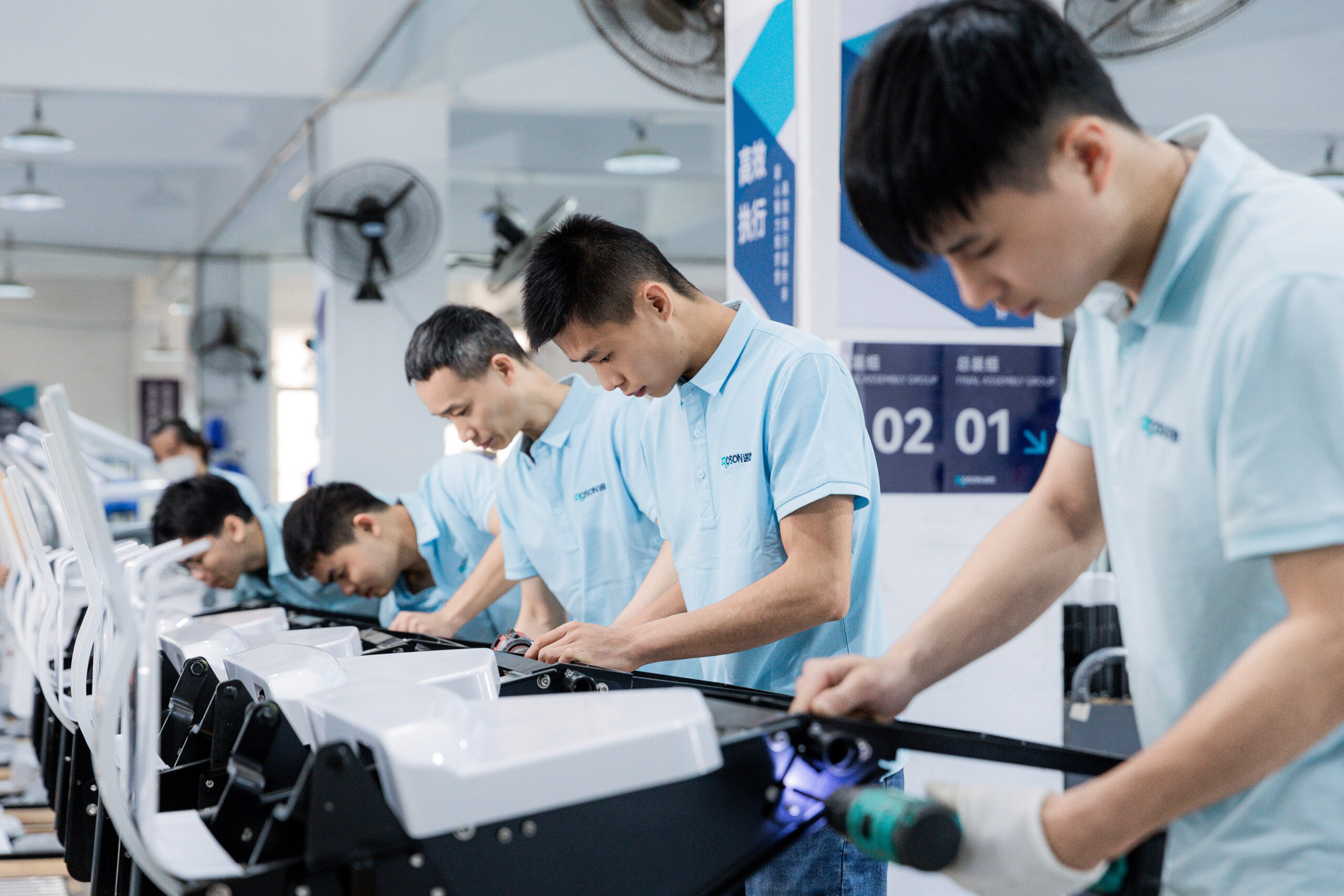
A bulk order places significant demands on a manufacturer. You need assurance that the supplier can scale production to meet your order without sacrificing quality control. Discuss their production capacity, lead times for large orders, and their inventory management for critical components. A robust supply chain minimizes the risk of delivery delays and ensures that your project timeline stays on track.
The Negotiation Playbook: Securing More Than Just a Price
Negotiating a bulk purchase is your opportunity to build a long-term partnership that extends well beyond the initial sale. Your focus should be on securing comprehensive service, support, and parts availability.
Beyond the Unit Price: Negotiating Service and Support
For large-scale operations, uptime is paramount. A key negotiating point I always emphasize is the Service Level Agreement (SLA). The SLA should clearly define the terms for on-site service, including guaranteed response times for technicians. Don’t leave this to chance.
Equally important is the commitment to parts availability. I’ve seen clinics forced into expensive, premature upgrades because parts for their five-year-old chairs were no longer available. A critical negotiating term is a written commitment from the vendor to supply spare parts for a minimum of seven to ten years post-purchase. Furthermore, negotiate lead times for these parts to be under 30 days to ensure swift repairs.
Planning for Maintenance and a Realistic Lifespan
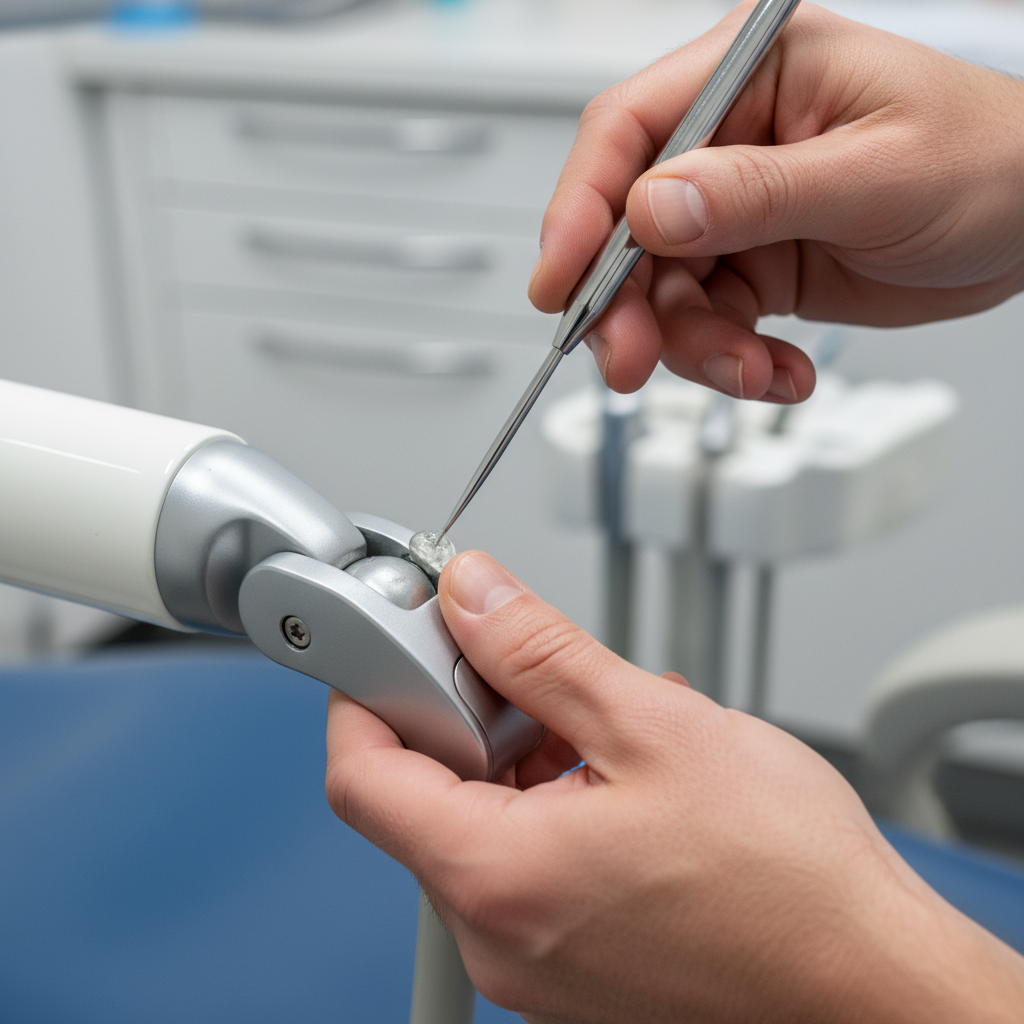
Even the most durable chairs require routine maintenance to ensure a long and productive life. Based on my experience with high-traffic clinics, a realistic useful life for a heavily used dental chair is between five and eight years. To achieve this, a proactive maintenance plan is essential.
Implement a schedule of routine checks every three to six months, including visual inspections, lubrication of key joints, and gas-spring inspections. A full, comprehensive service should be conducted annually by a qualified technician. For training centers, I recommend planning for a spare-chair ratio of one spare for every 10-15 active chairs to ensure that training schedules are never disrupted by equipment downtime. Integrating your equipment plan with cost-effective dental chair strategies can further optimize your budget.
Common Procurement Pitfalls to Avoid
Learning from the mistakes of others is a powerful way to de-risk your investment. Here are some of the most common pitfalls I’ve encountered:
- Mixing Too Many Models: This complicates maintenance, inflates spare parts inventory, and creates an inconsistent user experience for staff.
- Skipping Ergonomic Trials: This is a critical error. A chair that causes strain on your clinical team can lead to workforce injuries and reduced productivity.
- Undervaluing Site-Prep Costs: Factoring in the costs for electrical work, plumbing, and ensuring proper flooring clearances is essential for accurate budgeting.
- Failing to Secure a Clear SLA: A vague or non-existent service agreement leaves you exposed to extended downtime and unpredictable repair costs.
Key Takeaways for Your Next Bulk Purchase
Making a successful bulk purchase of dental chairs hinges on a strategic, long-term approach. Focus on the total cost of ownership rather than just the initial price. Prioritize standardization to simplify operations and insist on in-depth user trials to validate performance and ergonomics. Negotiate a comprehensive support package that includes a clear SLA and a long-term parts availability guarantee. By following this framework, you can equip your facility with reliable, cost-effective chairs that will serve your staff and patients well for years to come.
Frequently Asked Questions (FAQ)
What is a realistic useful life for a dental chair in a high-traffic clinic?
In a high-throughput environment with daily heavy use, you can expect a well-maintained dental chair to have a useful life of 5 to 8 years. This can be extended with a rigorous preventative maintenance program.
How many chair models should we standardize on for a large clinic?
For operational efficiency, it is highly recommended to standardize on no more than two or three different models. This simplifies maintenance, reduces the complexity of spare parts inventory, and makes training staff much easier.
Besides price, what is the most important factor in a bulk purchase?
The most important factor is the total cost of ownership, or lifecycle cost. This includes the initial purchase price plus all future costs related to maintenance, spare parts, and potential downtime. A strong service agreement and a long-term parts guarantee from the distributor are critical components of this.
About the Author