 EN
EN  ZH
ZH 
Autoclave Compliance: Meeting CE & ISO 13485 Standards

Understanding Autoclave Classes: A Guide to N, S, and B Sterilizers
Navigating the technical standards for dental equipment is crucial for ensuring patient safety, maintaining operational efficiency, and achieving regulatory compliance. For any dental practice, the autoclave is a cornerstone of infection control. Understanding the certifications that govern these devices, specifically the CE mark and ISO 13485 standard, is the first step toward building a trustworthy and protected clinical environment.
Choosing a compliant sterilizer is not just about meeting legal requirements; it is a foundational investment in the safety of your patients and the reputation of your practice. We will explain what these critical certifications mean for dental autoclaves and how selecting the right equipment protects your clinic, your staff, and your patients from risk.
Decoding the Alphabet of Compliance: CE, MDR, and ISO 13485
When evaluating medical equipment, you will frequently encounter a set of acronyms that signify compliance with rigorous international standards. Understanding what they represent is essential for any clinic manager or biomedical technician responsible for procurement.
What is the CE Marking?
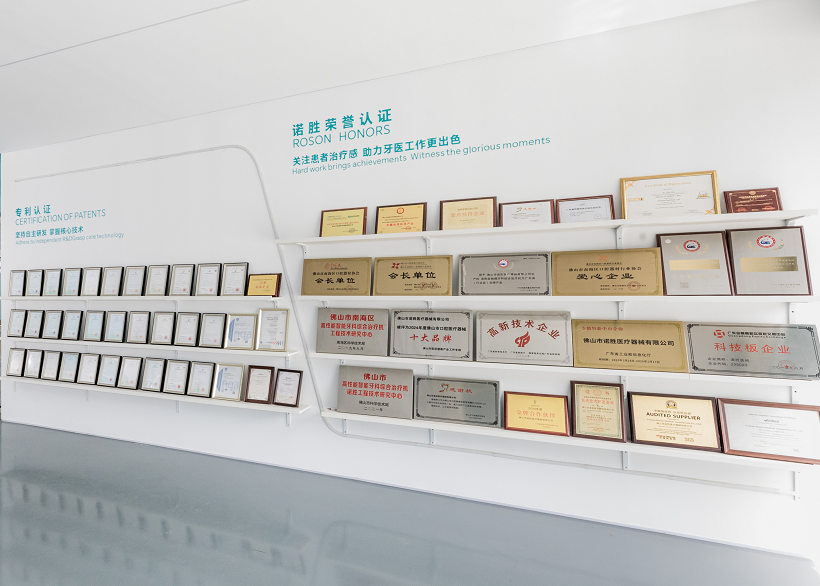
The CE marking is a mandatory conformity marking for products sold within the European Economic Area (EEA). It signifies that the manufacturer has verified the product complies with all relevant EU health, safety, and environmental protection requirements. For dental autoclaves, this is a declaration that the device is safe and performs as intended. As detailed in the official CE Marking guidelines, this mark is a prerequisite for accessing the European market, assuring distributors and clinics of the product’s fundamental compliance.
The EU Medical Device Regulation (MDR)
While the CE mark is the visible sign of compliance, the underlying legal framework is the EU’s Medical Device Regulation (MDR 2017/745). This regulation, which you can review on the European Commission’s health portal, imposes stricter requirements on medical device manufacturers regarding clinical evaluation, post-market surveillance, and technical documentation. For autoclaves, this means manufacturers must provide robust evidence of their sterilization efficacy and maintain ongoing monitoring of device performance in the field.
ISO 13485: The Global Benchmark for Quality
Unlike the CE mark, which applies to the product itself, ISO 13485:2016 is an international standard that defines the requirements for a comprehensive quality management system (QMS) for medical device manufacturers. A manufacturer with ISO 13485 certification demonstrates a verifiable commitment to consistent design, development, production, and delivery of safe and effective medical devices. It is a process-based standard that builds a foundation of quality, ensuring that every autoclave produced meets the same high standards. This focus on process is a key reason why it is a cornerstone for both regulatory compliance and building long-term customer trust.
Understanding Autoclave Classes: A Guide to N, S, and B Sterilizers
The European Standard EN 13060 categorizes small steam sterilizers into three classes: N, S, and B. This classification is critical because it dictates which types of instruments each autoclave can safely and effectively sterilize. Selecting the wrong class for your clinic’s needs can lead to incomplete sterilization, instrument damage, and non-compliance.
-
Class N Autoclaves: These sterilizers are designed for non-wrapped, solid instruments. They use a gravity displacement method, where steam pushes air out of the chamber. Because they do not have a vacuum pump, they cannot reliably sterilize hollow, porous, or wrapped items, as air pockets can get trapped and prevent proper steam penetration.
-
Class S Autoclaves: This class is an intermediate category for sterilizers designed to process specific types of instruments as declared by the manufacturer. They may include a pre-vacuum or drying cycle but are not as versatile as Class B units. They are suitable for clinics that use specific types of instruments that the autoclave is validated to handle.
-
Class B Autoclaves: These are the most advanced and versatile sterilizers. They feature a pre-vacuum cycle that actively removes air from the chamber before steam is introduced. This process ensures that steam penetrates even the most complex instruments, including hollow-body items like dental handpieces, as well as porous loads and wrapped instrument packs. Class B autoclaves provide the highest level of sterilization assurance and are suitable for virtually all types of dental instruments.
To help clarify the differences, here is a direct comparison:
| Feature | Class N | Class S | Class B |
|---|---|---|---|
| Cycle Type | Gravity Displacement | Manufacturer-Specific (may include vacuum) | Pre-Vacuum (Fractionated) |
| Suitable Loads | Solid, unwrapped instruments only | Specific loads as defined by the manufacturer | All load types: solid, hollow, porous, wrapped |
| Air Removal | Passive (steam displaces air) | Active (may use a pump) | Active (vacuum pump) |
| Typical Use Case | Basic, non-invasive instruments | Clinics with a limited, specific instrument set | General dental practices, surgical clinics |
From Certification to Clinic: Practical Autoclave Operation and Validation
Having a certified autoclave is only half the battle; proper operation and routine validation are what truly ensure patient safety. In our experience, many sterilization failures stem not from the device itself but from procedural errors.
Expert Warning: Debunking the ‘Broken Machine’ Myth
A common misconception in busy clinics is that a failed chemical or biological indicator automatically means the autoclave is broken. In reality, the most frequent cause of failed cycles is operator error. Overpacked trays, mixing different instrument types in one load, or selecting the wrong cycle are far more common culprits. Before calling for service, always review the load configuration and cycle parameters. A simple adjustment to how you load your sterilizer can often resolve the issue, a principle that also applies to the broader integration of sterilizers with your chair workflow.
Daily and Weekly Best Practices
A consistent routine is the key to reliable sterilization. We recommend implementing a simple checklist for your clinical staff.
- Morning Routine: For vacuum-capable (Class B) units, run a Bowie-Dick test each morning. This test validates steam penetration and confirms the vacuum system is functioning correctly.
- Per-Cycle Checks: Use chemical indicator strips inside representative loads for every single cycle. These provide immediate visual confirmation that the instruments have been exposed to the necessary sterilization conditions.
- Water Quality: Always use distilled or deionized water. Tap water contains minerals that build up as scale inside the chamber and pipes, which can lead to cycle failures and damage the autoclave.
- Recordkeeping: Maintain a detailed log for every cycle. The log should include the operator’s name, the contents of the load, the cycle used, the results of the physical and chemical indicators, and any alarms. These records are essential for quality control and regulatory audits.
Installation and Performance Qualification (IQ/OQ/PQ)
Proper validation ensures your autoclave performs to specification from day one. This process typically involves three stages:
- Installation Qualification (IQ): Performed at installation to verify the autoclave is set up correctly in its environment.
- Operational Qualification (OQ): Confirms that the empty chamber operates within the specified temperature and pressure parameters.
- Performance Qualification (PQ): The final step, where you test the autoclave with representative loads (e.g., your typical instrument packs) to confirm it can consistently sterilize them. This is often done after running 10-20 cycles. Re-qualification is necessary after any major repairs or if the unit is moved.
Procurement and Maintenance: A Checklist for Clinic Managers
When purchasing a new autoclave, clinic managers and biomedical technicians must look beyond the initial price tag and consider the total cost of ownership and long-term reliability.
Due Diligence Before You Buy
- Prioritize Service and Parts: A small saving on the purchase price is meaningless if you cannot get spare parts or timely service. Prioritize manufacturers with strong local service agreements and a reliable supply chain.
- Verify Certifications: Ask for the CE and ISO 13485 certificates. Check that the dates are current and that the scope of the certification explicitly covers the autoclave model you are considering.
- Review Technical Documentation: Request the technical file and validation reports. This documentation provides proof of the manufacturer’s compliance claims and the device’s performance data. This level of scrutiny is consistent with the safety principles that guide all equipment choices, including how dental chair design meets CE & ISO safety standards.
Long-Term Reliability: A Maintenance Schedule
Proactive maintenance prevents unexpected downtime.
- Preventive Service: Schedule professional preventive maintenance every 6 to 12 months, depending on usage.
- Door Seals: In a high-use clinic, the door seal or gasket is a critical wear item. Plan to replace it every 2 to 3 years to prevent leaks that can cause cycle failures.
Key Takeaways
Ensuring your autoclave is compliant and operated correctly is fundamental to modern dental practice.
- Compliance is Non-Negotiable: CE marking and ISO 13485 certification are essential indicators of a device’s safety, quality, and market legality.
- Match the Class to Your Needs: A Class B autoclave offers the most flexibility and highest level of sterilization assurance for the diverse instruments used in most dental clinics.
- Process is as Important as Product: Daily operational discipline—from proper loading to diligent record-keeping—is just as critical as the autoclave’s technical specifications.
- Procure for the Long Term: When buying an autoclave, prioritize serviceability, parts availability, and transparent documentation over small upfront cost savings.
Frequently Asked Questions (FAQ)
What is the main difference between CE and ISO 13485?
The CE mark is a product-level certification for the EU market, declaring it meets safety and performance standards. ISO 13485 is a process-level certification for the manufacturer’s quality management system, ensuring consistent production quality worldwide.
Can I use a Class N autoclave for my dental handpieces?
No. Dental handpieces are hollow-body instruments. They require a Class B autoclave with a vacuum cycle to ensure complete air removal and steam penetration for effective sterilization.
How often do I need to re-validate my autoclave?
You should perform a full performance re-qualification (PQ) after any major repairs, if you relocate the unit, or if you notice a consistent change in performance. Local regulations may also specify a re-validation cadence.
Why is record-keeping so important?
Detailed cycle logs provide proof of sterilization, which is crucial for patient safety, quality assurance, and regulatory compliance. In the event of an audit or infection control issue, these records are your primary evidence of due diligence.
Disclaimer: This article is for informational purposes only and does not constitute professional medical or regulatory advice. Always consult the manufacturer’s instructions for your specific equipment and adhere to local health and safety regulations.
About the Author