Skip to content
 EN
EN  ZH
ZH 
The Value of Antimicrobial Dental Upholstery

The Hidden Guardian in Patient Safety: Why Your Dental Upholstery Matters
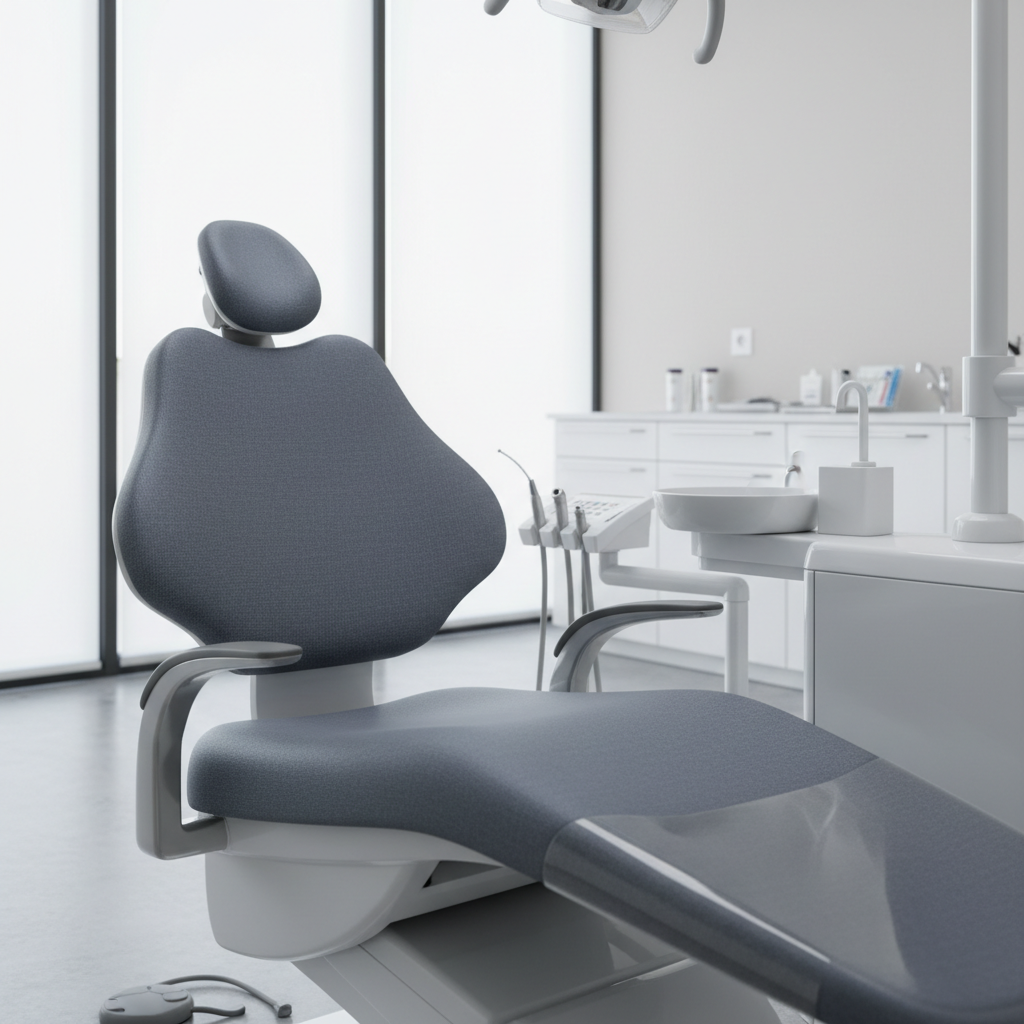
Infection control is the bedrock of a trustworthy dental practice. While autoclaves and surface disinfectants are the visible heroes of daily operations, a critical component often goes unnoticed: the dental chair itself. Antimicrobial upholstery is more than an aesthetic choice; it serves as a proactive, frontline defense in providing safe patient care. This advanced material technology offers a continuous, passive layer of protection that complements standard cleaning protocols, directly impacting clinic safety, operational efficiency, and long-term durability.
For a busy clinic, where patient turnover is high and the risk of cross-contamination is a constant concern, understanding the value of antimicrobial materials is essential. It represents a shift from a purely reactive cleaning model to an integrated safety strategy, enhancing patient confidence and safeguarding the practice’s reputation.
Understanding Antimicrobial Upholstery Technology
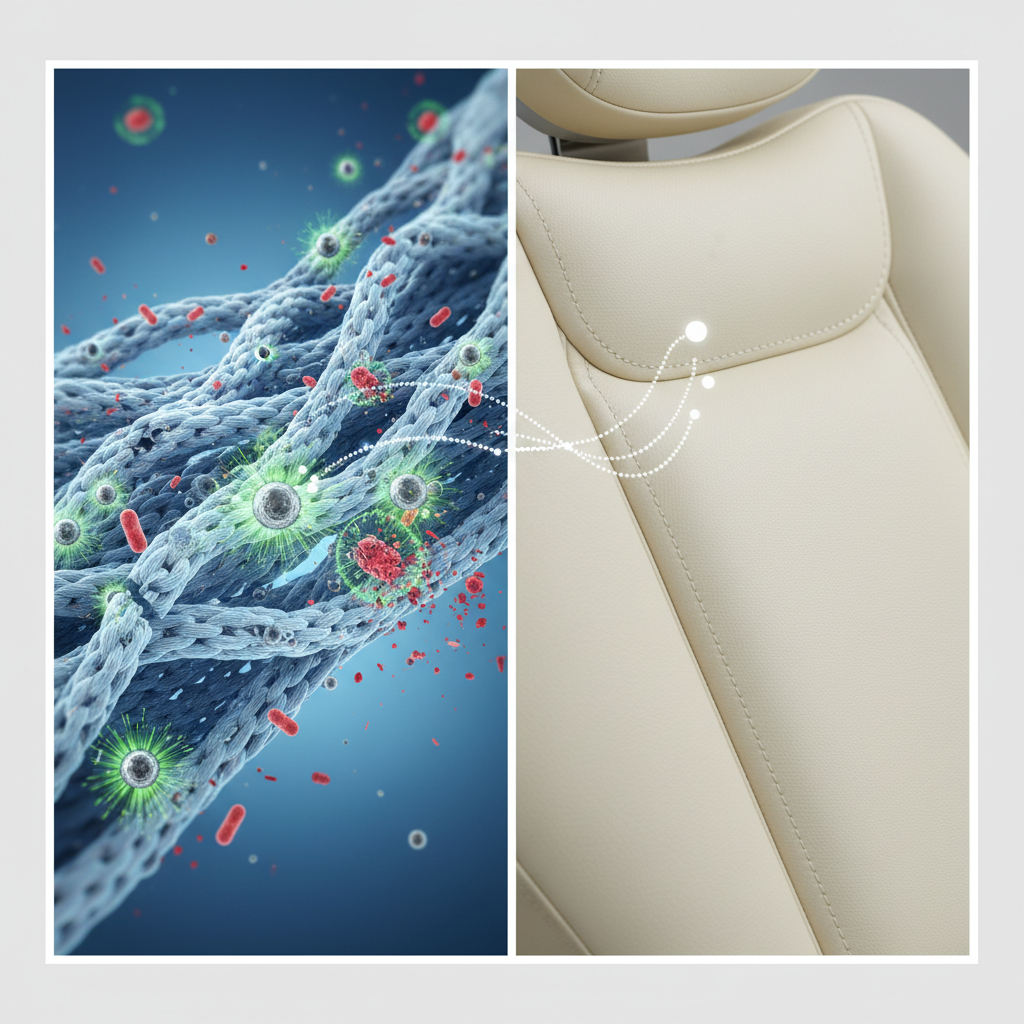
At its core, antimicrobial upholstery is engineered to inhibit the growth of microorganisms like bacteria, mold, and mildew. Unlike standard materials, these textiles are either treated with specialized agents or manufactured with inherent antimicrobial properties woven into the fibers. These agents work by disrupting the cellular functions of microbes that land on the surface, preventing them from multiplying.
However, a frequent and costly mistake is assuming the “antimicrobial” label implies invincibility. The effectiveness of these properties is directly linked to the material’s durability and its compatibility with your clinic’s cleaning agents.
Common Misconception: “Antimicrobial” Means No Cleaning Needed
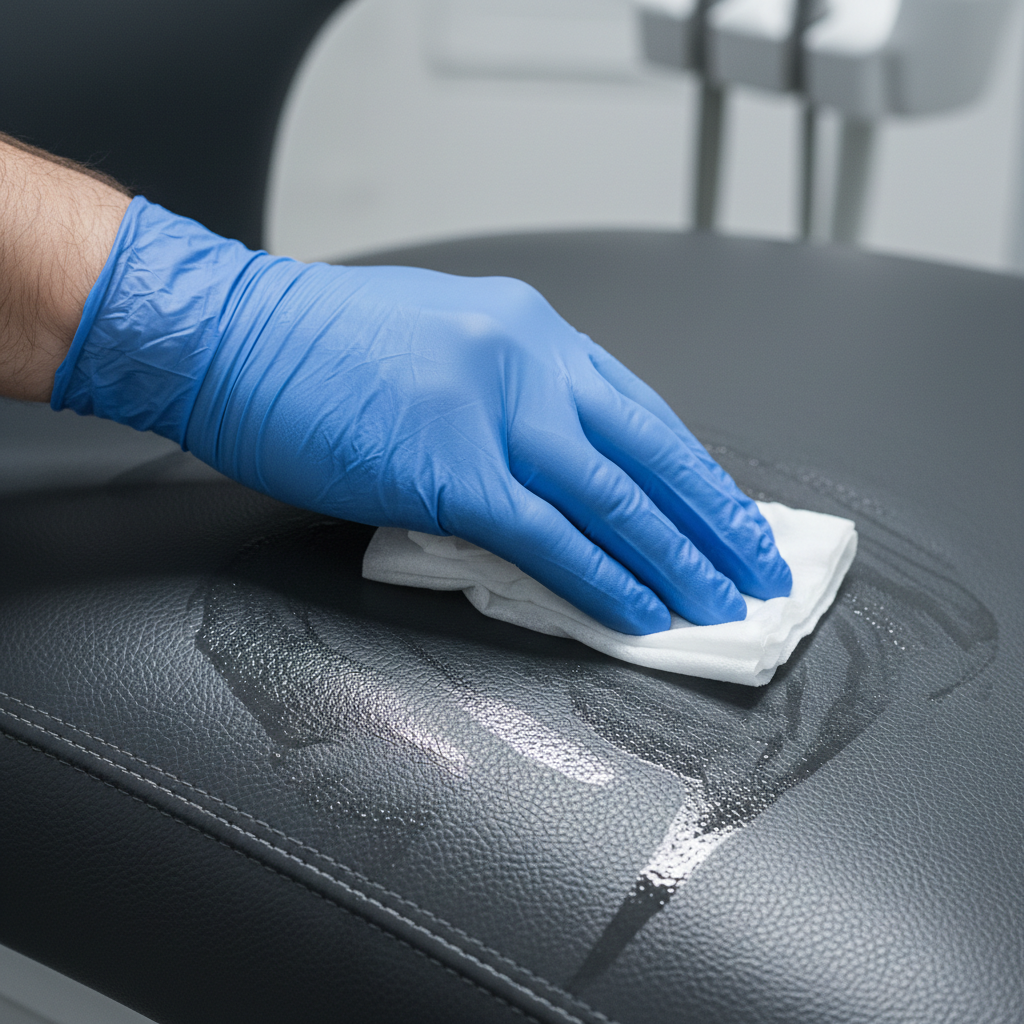
A pervasive myth is that antimicrobial surfaces are self-cleaning or require less frequent disinfection. This is fundamentally incorrect. The primary role of antimicrobial technology in this context is to help keep the surface cleaner between cleanings by suppressing microbial growth, not to replace manual disinfection. Frequent and thorough cleaning with appropriate disinfectants is non-negotiable. In fact, using the wrong chemicals can be counterproductive. Many surface treatments can degrade when repeatedly exposed to common disinfectants like 60–70% isopropyl alcohol, hydrogen peroxide, or certain quaternary ammonium compounds. This degradation can neutralize the antimicrobial properties and even damage the upholstery itself. Always request disinfectant compatibility data from the manufacturer before purchasing.
Performance Metrics That Matter: A Procurement Guide
When evaluating dental upholstery, moving beyond marketing claims to hard data is crucial for making a sound investment. For a high-volume clinic, durability and proven antimicrobial efficacy are paramount. Here are the key performance indicators to scrutinize.
Durability Under Pressure: Abrasion and Seam Integrity
In a clinical setting, upholstery is subjected to constant friction, flexing, and chemical exposure. Two factors are critical for longevity:
- Abrasion Resistance: This is measured in “double rubs,” a mechanized test that simulates a person sitting down and getting up. For a high-traffic dental environment, you should look for materials rated for at least 50,000 double rubs. This ensures the upholstery can withstand daily wear and tear without cracking or thinning, which would create physical entry points for pathogens.
- Seam Construction: Even the best material will fail if the seams are weak. Welded or double-stitched seams are vital as they prevent fluid ingress into the foam core. Once moisture and microbes penetrate the foam, it becomes a reservoir for contamination that is impossible to clean, posing a significant risk.
Antimicrobial Efficacy: Look for the Log Reduction
The effectiveness of an antimicrobial agent is measured by its “log reduction” rate. This data, which should be available from third-party lab testing, indicates the percentage of microbes killed over a specific period. A 3-log reduction is a realistic and strong benchmark, as it equates to a 99.9% reduction in microbial load on the surface. Always request these test results to validate a manufacturer’s claims.
A Practical Checklist for Upholstery Procurement
Making the right choice requires a systematic approach. Use this table as a decision-making framework when speaking with suppliers.
| Feature | What to Ask For | Why It Matters |
|---|---|---|
| Abrasion Rating | “What is the double-rub rating?” | Aim for ≥50,000 for high-traffic clinics to ensure long-term durability and prevent physical breaches. |
| Disinfectant Compatibility | “Provide test data for compatibility with our clinic’s disinfectants.” | Protects the material from degradation and preserves its antimicrobial properties. Request sample swatches for in-house testing. |
| Antimicrobial Efficacy | “Can you provide third-party lab reports showing the log reduction?” | Verifies that the material actively inhibits microbial growth to a significant degree (e.g., 99.9%). |
| Seam Construction | “Are the seams welded or double-stitched?” | Prevents fluid and pathogen entry into the underlying foam, which is a primary source of hidden contamination. |
| Warranty & Service | “What does the warranty cover and are local reupholstery services available?” | Ensures long-term serviceability and a clear understanding of coverage for premature wear, seam failure, or discoloration. |
Regulatory Context and Quality Assurance
While upholstery itself may not be a medical device, its quality is integral to the overall safety and compliance of the dental chair system. Manufacturers who adhere to rigorous quality management systems, such as those outlined in ISO 13485:2016, demonstrate a commitment to producing reliable and safe equipment. This standard ensures that processes are in place to control for quality from design to delivery.
Furthermore, the materials used must align with broader regulatory frameworks like the EU’s Medical Device Regulation (MDR) or the FDA’s quality system regulations. These frameworks place a strong emphasis on risk management and infection control. As noted in research available through sources like ScienceDirect, the interaction between dental materials and disinfection agents is a critical area of study for ensuring long-term safety and material integrity.
Planning for a 5–8 year replacement or reupholstery cycle, depending on patient volume, is a realistic operational heuristic. Regular inspection of seams and foam exposure every 6–12 months can prevent minor wear from becoming a major contamination risk.
Key Takeaways
Choosing the right dental upholstery is a critical decision that extends far beyond aesthetics. It is an investment in patient safety, operational efficiency, and the long-term financial health of your practice. By prioritizing materials with proven durability, verified antimicrobial efficacy, and compatibility with your clinic’s disinfection protocols, you create a safer environment for both patients and staff.
Always demand verifiable data—such as double-rub ratings and log reduction reports—and plan for the entire lifecycle of the product, including maintenance and eventual replacement. This diligence ensures your clinic is not only compliant but also a trusted leader in patient care.
Disclaimer: This article is for informational purposes only and does not constitute professional medical or safety advice. Always consult with equipment manufacturers and infection control specialists to ensure compliance and safety for your specific clinical environment.
References
About the Author