 EN
EN  ZH
ZH 
Ambidextrous Layouts: A Flexible Clinic Solution

The Strategic Advantage of Ambidextrous Design
Maximizing the utility of your clinical space is not just about fitting more equipment; it’s about creating a workflow that is efficient, adaptable, and ergonomic for every member of your team. An ambidextrous operatory layout, designed to accommodate both left- and right-handed practitioners seamlessly, offers a powerful solution. This flexibility can lead to significant gains in productivity, staff satisfaction, and even the long-term value of your practice.
For clinics with multiple dentists, the benefits are immediate. You eliminate scheduling headaches caused by trying to match a right-handed doctor to a right-handed room. This interchangeability allows for a 10-15% increase in operatory utilization, as any available room can be used by any practitioner. This approach also future-proofs your clinic, making it easier to integrate new associates, partners, or dental assistants without costly renovations.

Beyond Scheduling: Enhancing Resale Value and Ergonomics
The value of an ambidextrous setup extends to the business’s bottom line. When it comes time to sell your practice, a flexible layout is a major selling point. It appeals to the widest possible range of buyers, removing the concern that a potential owner’s dominant hand might be incompatible with the existing setup. This simple design choice can substantially increase your clinic’s marketability and resale value.
From an ergonomic perspective, forcing a clinician to adapt to a mismatched room is a recipe for musculoskeletal strain. I’ve seen practitioners develop chronic shoulder and back pain from twisting to reach instruments in a poorly configured space. An ambidextrous design ensures that every user can maintain a neutral, balanced posture, directly contributing to career longevity and reducing the risk of work-related injuries. This aligns with foundational health and safety principles designed to protect workers, as outlined by global standards organizations.
Key Principles of Ambidextrous Operatory Planning
Achieving a truly functional ambidextrous operatory requires more than just placing a chair in the middle of a room. It demands careful planning centered on space, workflow, and utility infrastructure. Success lies in the details.
Spatial Dynamics and Clearances
Based on extensive in-clinic observation, the most efficient ambidextrous layouts provide 1.2 to 1.5 meters of clear working space on both sides of the dental chair. This ensures that both the clinician and the assistant can move freely without feeling cramped. Furthermore, a minimum clearance of 30 to 45 centimeters behind the chair is critical. A common mistake I often see is neglecting this rear space, which prevents the chair from fully reclining and complicates access for routine service and maintenance.
Debunking a Common Myth: The Fixed Delivery System
A pervasive myth in operatory design is that a fixed, single-position delivery system is more efficient. In reality, this is a significant bottleneck. It forces the entire team to adapt to the equipment’s position, rather than the other way around. The most effective method is to mount delivery systems on fully articulating, adjustable brackets. This allows the system to be positioned within a 40 to 60-centimeter radial reach from the clinician’s hip—the ideal ergonomic zone for either left- or right-handed use.
Fixed vs. Ambidextrous Operatory: A Comparative Analysis
| Feature | Fixed (Single-Handed) Layout | Ambidextrous Layout |
|---|---|---|
| Practitioner Flexibility | Limited to one-handedness | Accommodates both left- and right-handed users |
| Operatory Utilization | Lower; scheduling conflicts are common | Higher; any practitioner can use any room |
| Ergonomics | Can cause musculoskeletal strain for mismatched users | Promotes neutral posture and reduces injury risk for all |
| Retrofit Cost & Effort | High cost to convert to the opposite handedness | Minimal effort; quick-change features are built-in |
| Practice Resale Value | Limited appeal; buyer must match handedness | Higher appeal; attractive to all potential buyers |
| Workflow Efficiency | Inefficient for mismatched users | Consistently efficient for all team members |
Implementing an Ambidextrous Layout: A Practical Guide
Transitioning to an ambidextrous design can be accomplished in both new builds and existing operatories. The key is a phased and methodical approach that minimizes disruption to your practice.
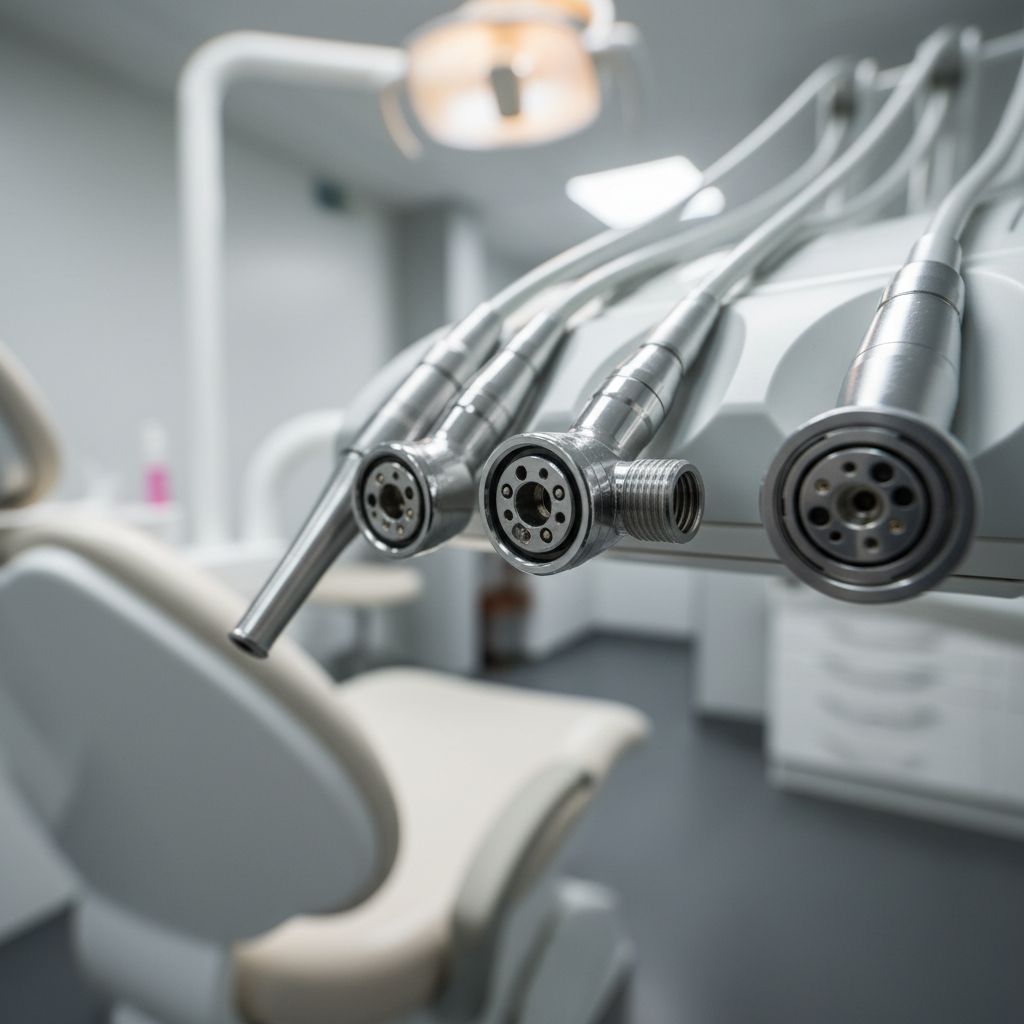
The Retrofit Checklist
For clinics retrofitting an existing space, careful planning is essential to avoid costly rework. Use this checklist to guide your project:
- Plan for Utilities on Both Sides: Before any construction, ensure that plumbing and electrical chase points are available on both sides of the room. This is the most critical step for avoiding future limitations.
- Test Chair and Equipment Placement: Use templates or the actual chair to test rotation, recline, and movement. Confirm that there is adequate clearance and that assistant sightlines to the patient’s mouth are unobstructed.
- Prioritize Modularity: Select modular equipment mounts and cabinets. Use quick-disconnect lines for all handpieces. A well-designed system allows a complete handedness swap in under five minutes.
- Phase the Work: If you have multiple operatories, retrofit them one at a time. This ensures that your clinic remains operational throughout the project.
- Validate Tubing and Cable Length: Check that all handpiece tubing, suction lines, and accessory cables are long enough to comfortably reach both sides of the patient without creating tension or tripping hazards.
This methodical process ensures the final layout is functional and truly flexible. The goal is to make the transition between left and right-handed setups a simple, repeatable process that any team member can perform.
Measuring Success: Validating Your New Layout
After implementation, it’s important to measure the impact of the new design. Tracking a few key performance indicators (KPIs) for a period of 4 to 8 weeks can provide concrete evidence of the project’s success. Key metrics to monitor include:
- Chair Turnover Time: How quickly can the room be cleaned and prepared for the next patient? A more efficient layout should reduce this time.
- Procedure Time: Are routine procedures completed more quickly due to better ergonomics and workflow? Shaving even a few minutes off each appointment adds up significantly.
- Clinician Comfort Ratings: Ask your team to rate their physical comfort (e.g., on a scale of 1-10) at the end of the day. This qualitative data is crucial for evaluating the ergonomic benefits.
Analyzing this data will help you quantify the return on investment and identify any areas for further refinement. It also reinforces a culture of continuous improvement within your practice.
Wrapping Up
An ambidextrous operatory is more than just a flexible floor plan; it is a strategic investment in the efficiency, ergonomics, and long-term viability of your dental practice. By prioritizing intelligent spatial planning, modular equipment, and adaptable workflows, you create a clinical environment that supports every member of your team. This approach not only solves immediate scheduling and ergonomic challenges but also enhances the fundamental value of your practice for years to come.
Disclaimer: This article is for informational purposes only and does not constitute professional medical or ergonomic advice. Clinic design and equipment selection must comply with all local regulations and standards, such as those outlined by the FDA in the 21 CFR Part 820 quality system regulation. Consult with qualified architects, equipment specialists, and ergonomic professionals before undertaking any renovation or new build. Always ensure that your equipment carries the necessary certifications for your region, such as CE Marking for the European Union or adherence to quality management systems like ISO 13485:2016.
References
- U.S. Food & Drug Administration (FDA). (n.d.). Quality System (QS) Regulation/Medical Device Good Manufacturing Practices. Retrieved from https://www.fda.gov/regulatory-information/search-fda-guidance-documents/quality-system-regulation-medical-devices
- International Organization for Standardization (ISO). (2016). ISO 13485:2016 Medical devices — Quality management systems — Requirements for regulatory purposes. Retrieved from https://www.iso.org/standard/59752.html
- European Commission. (n.d.). CE Marking. Retrieved from https://ec.europa.eu/growth/single-market/ce-marking_en
About the Author