 EN
EN  ZH
ZH 
How Compressor Tech Affects Dental Handpiece Life

The Hidden Enemy in Your Air Lines: Contamination
The air that powers your dental handpieces seems invisible, but it carries contaminants that can drastically shorten the life of your most critical instruments. Every cubic foot of ambient air contains water vapor, microscopic oil aerosols, and solid particles like dust and pollen. When a compressor draws this air in and pressurizes it, the concentration of these contaminants increases significantly. Without proper treatment, this contaminated air flows directly into your handpieces.
For years, I saw clinics struggle with recurring handpiece failures. The turbines would seize, bearings would wear out prematurely, and performance would degrade within months. The common denominator wasn’t the handpieces themselves, but the quality of the compressed air. The three primary culprits are always water, oil, and solid particulates.
- Water (Condensate): Pressurizing air squeezes out moisture, which turns into liquid water inside your tank and air lines. This condensate causes internal corrosion and washes away the vital lubricants that protect handpiece bearings and turbines. The result is increased friction and heat, leading to rapid mechanical failure.
- Oil: Even “oil-free” compressors can pass oil vapors from their own components or the ambient air. Lubricated compressors are a bigger risk, as oil carryover can coat the internal mechanics of a handpiece. This sticky residue attracts debris, gums up moving parts, and can degrade delicate O-rings and seals.
- Solid Particulates: Dust, rust from pipes, and other microscopic debris act like sandpaper inside the high-speed workings of a dental handpiece. These particles erode the precision surfaces of turbine blades and bearings, leading to inefficiency, vibration, and eventual breakdown.
The Myth of “Good Enough” Air
A common misconception is that any compressor that delivers the right pressure is sufficient. However, failing to invest in medical-grade air treatment is a classic example of being penny-wise and pound-foolish. The cost of a single high-speed handpiece repair or replacement often exceeds the annual maintenance cost of a proper filtration system. Quality management in medical device manufacturing, as outlined in standards like ISO 13485:2016, emphasizes process control and risk management. Applying this same philosophy to your clinic’s air supply is a direct investment in operational reliability.
The Critical Role of Air Filtration and Drying
Delivering clean, dry air is not about a single piece of equipment but an integrated system. The key components are dryers, to remove water vapor, and a multi-stage filtration setup to capture oil and particulates. Think of it as refining your air before it reaches your valuable instruments.
A mistake I often see is clinics using a single, inadequate filter. For dental applications, a staged filtration approach is the most effective method to ensure truly clean air.
A Multi-Stage Filtration Strategy
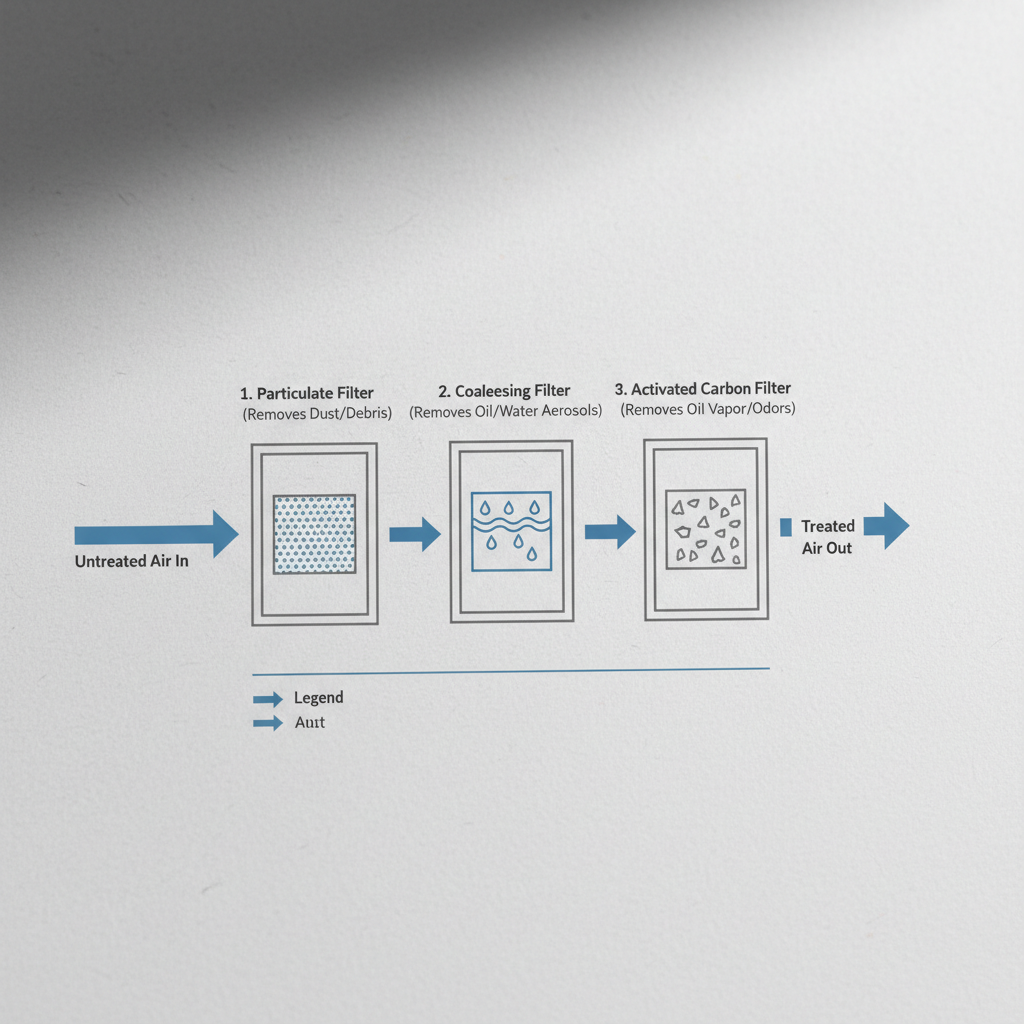
A robust system directs air through a series of filters, each designed to remove a specific type of contaminant. This layered defense is far more effective than a single filter trying to do everything.
| Filter Stage | Purpose | Common Replacement Schedule |
|---|---|---|
| Stage 1: Particulate Pre-Filter | Removes larger solid particles (>5 microns) like dust, pollen, and rust flakes. | Every 6-12 months |
| Stage 2: Coalescing Filter | Captures fine oil and water aerosols, merging them into droplets that can be drained away. | Every 6-12 months |
| Stage 3: Activated Carbon Filter | Adsorbs oil vapor and other hydrocarbons, eliminating odors and the final traces of oil. | Every 6-12 months, or as needed |
This systematic approach is fundamental to quality control, mirroring the stringent requirements set by the FDA 21 CFR Part 820 regulations for medical device manufacturing. It ensures the final product—in this case, the air powering your handpiece—is free from defects and contaminants.
Don’t Forget the Dryer
Even with excellent filtration, you must remove the bulk of the water vapor first. In humid climates, this is non-negotiable. A refrigerated or desiccant dryer is essential to prevent seasonal condensate from overwhelming your filters and reaching your operatories. Locating the compressor and dryer close to the operatories and sloping the air pipes can also help trap and drain any residual moisture before it causes damage.
System Design and Maintenance Best Practices
Beyond the choice of compressor and filters, daily habits and smart system design play a huge role in handpiece longevity. The goal is to create a stable, reliable source of clean, dry air.
Automate Your Draining
One of the most frequent points of failure is forgetting to drain the compressor’s receiver tank. When condensate builds up, it gets churned into the airflow. I used to visit clinics where a manual drain was standard practice, but it was often forgotten during busy days. The simple fix that made a huge difference was installing an automatic tank drain. These devices purge accumulated water on a timer or sensor, ensuring the tank stays dry without any human intervention. For low-usage settings, a daily manual drain can suffice, but automation removes the risk of human error.
Maintain Stable Pressure
Repeatedly running a compressor up to its maximum pressure and letting it drop significantly creates stress on both the compressor and the downstream tools. It can also affect handpiece performance. Always follow the manufacturer’s nominal pressure specifications for your handpieces. Aim for pressure stability within about 10% of your target setpoint. This reduces mechanical stress on the handpiece turbine and ensures consistent torque during procedures. Proper pressure management is a key aspect of future-proofing your operatory, as newer equipment often has more precise air requirements.
Regular Inspections Are Key
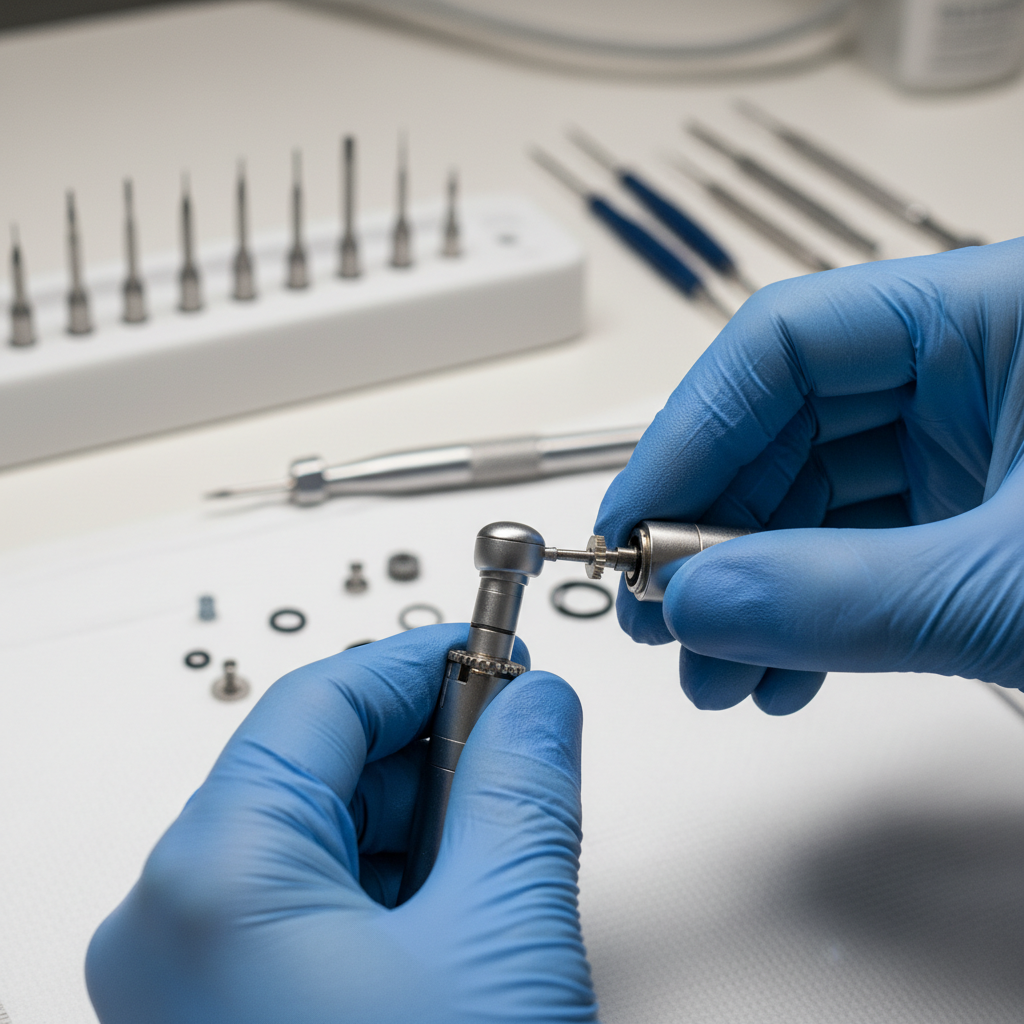
Schedule weekly inspections of your air system. If you have a lubricated compressor, check the oil levels. For all systems, inspect the filters for signs of saturation and ensure the automatic drain is functioning. A few minutes of prevention each week can save you thousands in repair costs and prevent unexpected downtime, which directly impacts your clinic’s financial health. Understanding the role of each component is similar to factoring spare parts into your equipment’s total cost of ownership; proactive maintenance is always cheaper than reactive repair.
Calculating the Return on Investment (ROI)
Investing in a high-quality air compression and treatment system may seem like a significant upfront cost, but the ROI becomes clear when you analyze long-term operational expenses. The initial outlay is quickly offset by the reduction in handpiece repair costs and the elimination of downtime.
Consider a typical scenario: A clinic with a basic, unfiltered air system experiences frequent handpiece failures, requiring several repairs per year at a cost of hundreds of dollars each. Add to that the cost of lost productivity when an operatory is down. According to industry data from sources like Frost & Sullivan, operational efficiency is a primary driver for technology adoption in dental practices.
Here’s a simple framework for calculating the ROI:
- Calculate Annual Handpiece Repair Costs: Sum up your total expenditure on handpiece repairs and replacements over the last 12 months.
- Estimate Annual Maintenance Costs: Determine the yearly cost for replacement filter elements and dryer servicing for an upgraded system.
- Compare the Costs: Subtract the new maintenance cost from your old repair cost. The result is your net annual savings.
Based on field observations, clinics with high handpiece throughput often recover the full cost of an upgraded air drying and filtration system within 1 to 3 years. The real game-changer isn’t just the financial savings; it’s the reliability and peace of mind that comes from knowing your most important tools won’t fail when you need them most.
Key Takeaways
Ultimately, the air running through your clinic is as critical as any other piece of technology. Treating it as an afterthought is a costly mistake. By investing in a properly specified oil-free compressor, a multi-stage filtration system, and an efficient air dryer, you are not just buying equipment—you are protecting your handpieces, reducing repair costs, and eliminating a major source of operational disruption.
Start by evaluating your current system. If you are experiencing frequent handpiece issues, the root cause is very likely in your utility room. A proactive investment in clean, dry air will pay dividends in reliability, performance, and your clinic’s bottom line.
Frequently Asked Questions (FAQ)
How often should I drain my compressor tank?
If you have a manual drain, it should be done daily at a minimum. However, the best practice is to install an automatic drain that purges condensate on a timed schedule or whenever it is detected. This eliminates the risk of forgetting.
What is the difference between a coalescing filter and a carbon filter?
A coalescing filter is designed to capture and merge fine liquid aerosols, like oil and water droplets, into larger drops that can be drained away. An activated carbon filter works on a molecular level to adsorb oil vapors and other gaseous contaminants that are too small for a coalescing filter to catch.
Can I use a standard hardware store compressor for my dental office?
No. Standard consumer-grade compressors are almost always oil-lubricated and lack the sophisticated, multi-stage filtration and drying systems required for a medical environment. Using one would introduce oil, water, and particulates directly into your handpieces and potentially into the patient’s mouth, posing a significant risk to both your equipment and patient safety.
Disclaimer: This article is for informational purposes only and does not constitute professional engineering or medical advice. Always consult with a qualified technician to design and service your dental air compressor system according to your specific clinical needs and local regulations.
References
About the Author