Skip to content
 EN
EN  ZH
ZH 
Meeting CE & ISO Standards with Your Air Compressor

Understanding the Regulatory Landscape: CE & ISO 13485
Compliance is not just a bureaucratic hurdle; it is the foundation of patient safety and a clinic’s long-term viability. For dental air compressors, two standards are paramount: CE Marking and ISO 13485. Understanding their roles is the first step toward ensuring your equipment meets the required level of quality and safety.
What is CE Marking?
The CE mark is a declaration by a manufacturer that a product meets the essential health, safety, and environmental protection standards for sale within the European Economic Area (EEA). According to the European Commission, the mark signifies that the product has been assessed and meets the necessary EU safety requirements. For a dental air compressor, this means the equipment is electrically safe, mechanically sound, and will not introduce unforeseen risks into the clinical environment.
What is ISO 13485?
While CE marking addresses product safety, ISO 13485:2016 is a far more comprehensive standard focused on the quality management system (QMS) behind the device. It requires manufacturers to demonstrate their ability to provide medical devices that consistently meet customer and applicable regulatory requirements. This involves rigorous controls over design, development, production, storage, and distribution. For a clinic, sourcing a compressor from an ISO 13485-certified manufacturer provides a high degree of confidence in the product’s consistency, reliability, and traceability.
Core Technical Specifications for Compliant Air
Achieving compliance goes beyond certifications on paper; it requires specific technological features that deliver medically pure compressed air. The quality of this air directly impacts the longevity of your handpieces, the success of restorative procedures, and patient safety.
Air Purity: Oil-Free Operation and Advanced Filtration
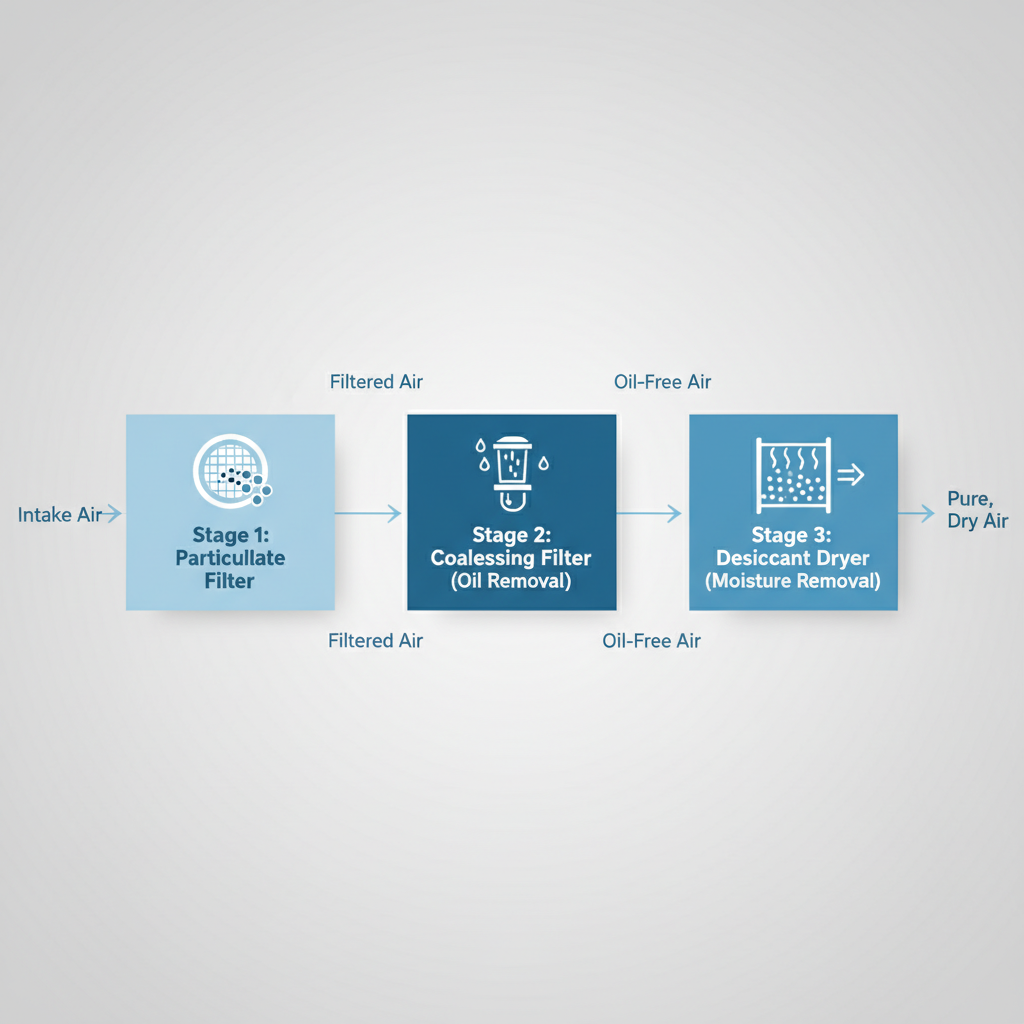
The most critical requirement is that the air supplied to dental instruments must be free of oil, moisture, and particulate contaminants. Experienced clinic engineers strongly recommend oil-free compressors for any direct instrument supply. If an oil-lubricated unit is used, it necessitates a robust, multi-stage coalescing filtration system to remove oil aerosols effectively.
Common Misconception Debunked: A frequent myth is that an “oil-free” compressor is all you need for clean dental air. In reality, the ambient air drawn into the compressor is already contaminated with water vapor, dust, and microorganisms. An oil-free design prevents the addition of lubricant aerosols, but it does not purify the air. Therefore, a comprehensive filtration and drying system is always mandatory to meet clinical standards.
Moisture Control: The Critical Role of Desiccant Dryers
Moisture is a primary point of failure in dental air systems. It can cause corrosion in expensive handpieces, lead to sterilizer failures, and compromise the bond strength of dental adhesives. A refrigerated dryer is often insufficient for achieving the low dew point required for medical-grade air. A regenerative desiccant dryer is the standard, ensuring the air remains consistently dry. Best practices include installing automatic drains on all condensate traps and verifying dryer performance seasonally to prevent moisture from entering the air lines.
Sizing for Success: Pressure, Flow Rate, and Headroom
Dental handpieces typically operate within a pressure range of 5–7 bar (72–100 psi), but you must always validate this against your specific tool specifications. However, simply meeting the minimum pressure is not enough. A critical mistake is undersizing the compressor system.
To ensure consistent performance, especially during peak demand, a compressor should be sized with 30–50% headroom above your clinic’s measured peak flow rate. To determine this, run all active chairs and air-driven tools simultaneously to measure the maximum demand. This buffer not only ensures adequate pressure and flow during busy periods but also helps in future-proofing your operatory for new technology that may increase your air demand.
Installation and Maintenance for Sustained Compliance
A compliant compressor can be rendered ineffective by poor installation and neglected maintenance. Creating a reliable system involves planning the installation carefully and adhering to a strict service schedule.
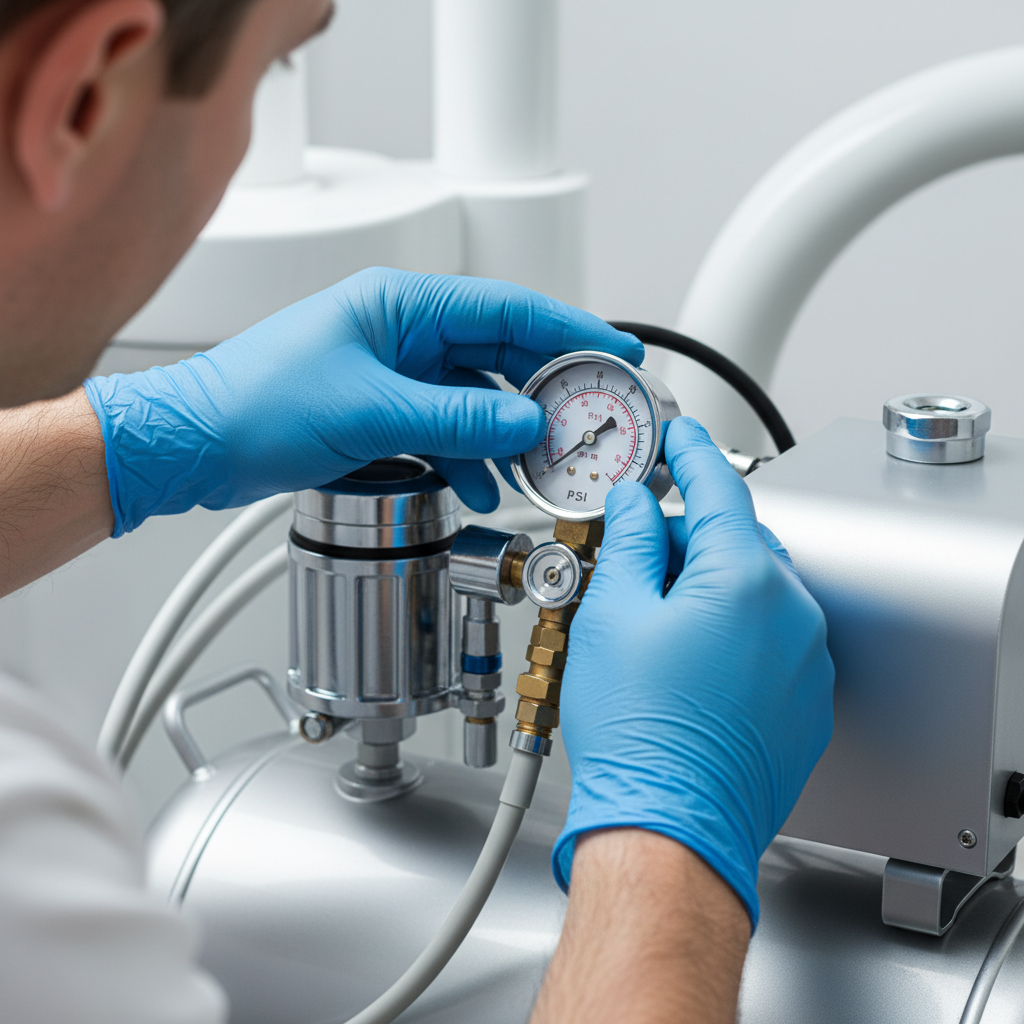
Common Installation Mistakes to Avoid
Even the best equipment can fail if installed incorrectly. Based on field experience from clinical engineers, here are common pitfalls to watch for:
- Undersized Pipe Runs: Small diameter pipes restrict airflow, causing significant pressure drops between the compressor and the operatory.
- Poor Ventilation: Compressors generate heat. Locating them in enclosed, unventilated closets can lead to overheating and premature failure.
- Proximity to Patient Areas: Noise and waste heat can negatively impact the patient experience and overall comfort.
- Lack of Pressure Validation: Always test the air pressure at the point of use (the dental chair) after installation to account for pressure losses from fittings and long pipe runs.
A Practical Maintenance Schedule for Compliance
Maintaining compliance requires consistent, documented upkeep. A haphazard approach can lead to equipment failure and audit non-conformance. The following schedule, based on proven field practices, provides a robust framework.
| Frequency | Task | Purpose |
|---|---|---|
| Daily | Check and empty condensate traps. | Prevents bulk moisture from entering the dryer and air lines. |
| Weekly | Visually inspect the unit for leaks or unusual noise. | Early detection of potential mechanical failures. |
| Monthly | Check filter differential pressure gauges. | Indicates when a filter element is clogged and needs replacement. |
| As Needed | Replace filter elements. | Ensures consistent removal of particulates and oil aerosols. |
| Annually | Perform full compressor service. | Includes inspection/replacement of belts, seals, and safety valves. |
Documentation and Traceability
Under regulations like EU MDR and ISO 13485, traceability is key. Keep a digital log of all maintenance activities, including dates, actions performed, and measurements taken (e.g., operating pressure, dew point). This log is not just good practice; it is essential evidence of your commitment to quality and safety during a regulatory audit.
Wrapping Up: Key Takeaways for Clinic Engineers
Ensuring your dental air compressor meets CE and ISO standards is a critical responsibility that directly impacts patient safety, equipment longevity, and your clinic’s reputation. The path to compliance is clear and achievable when you focus on the right principles.
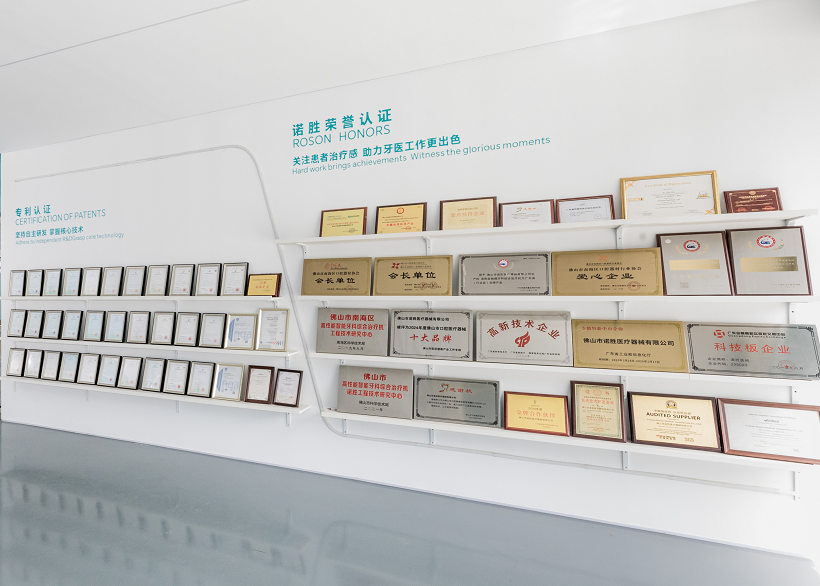
- Verify Certification: Always source compressors from manufacturers who can provide documentation of CE marking and ISO 13485 certification.
- Prioritize Air Quality: Your system must deliver pure, dry, and oil-free air. This requires an oil-free compressor design (or proper oil removal) combined with a multi-stage filtration system and a regenerative desiccant dryer.
- Size Correctly: Plan for peak demand by sizing your system with 30-50% excess capacity. This prevents performance drops and accommodates future growth.
- Document Everything: Meticulous installation and a documented maintenance log are non-negotiable for proving ongoing compliance and ensuring long-term reliability.
By treating your compressed air system as the critical medical gas delivery system it is, you build a resilient, safe, and efficient clinical environment.
Frequently Asked Questions (FAQ)
Can I use a standard industrial air compressor in my dental clinic?
No. Standard industrial compressors are not designed to deliver medical-grade air. They typically lack the specific multi-stage filtration and desiccant drying systems required to remove oil, water, and microbial contaminants to a level safe for patient contact.
How often should the desiccant material in the dryer be changed?
This depends on the compressor’s runtime, the ambient humidity, and the dryer model. As a general rule, desiccant material is typically replaced every 1 to 2 years. Most systems have a moisture indicator that will signal when the desiccant is saturated and needs service.
What is the most obvious sign that my compressor air is contaminated?
Common signs include a fine oily residue inside air/water syringe tips, visible moisture sputtering from handpieces, or recurring failures of your steam sterilizer, which is highly sensitive to wet and oily instrument contamination. Any of these symptoms warrant an immediate system inspection.
Disclaimer: This article is for informational purposes only and does not constitute professional medical or engineering advice. Always consult with qualified technicians and refer to manufacturer specifications and local regulations when installing or servicing medical equipment.
References
About the Author