 EN
EN  ZH
ZH 
Safety Standards for Accessible Dental Equipment Design

Compliance with rigorous safety standards is no longer just a regulatory hoop to jump through; it is the baseline for modern, inclusive dental practice. For clinic owners and distributors, understanding the intersection of accessibility and safety regulations is critical. As patient demographics shift—with an aging population and increased awareness of mobility needs—dental equipment must evolve to serve every patient safely.
This guide explores the technical safety standards governing accessible dental equipment design. We will dissect how regulations like ISO 13485 and FDA 21 CFR Part 820 translate into tangible engineering features, from load-bearing capacities to transfer geometries. Whether you are upgrading a clinic or sourcing for distribution, this deep dive ensures you prioritize equipment that delivers reliability, compliance, and universal care.
The Regulatory Backbone of Safe Design
Safety in medical devices is not subjective; it is codified by international standards that dictate quality management and risk mitigation. For dental equipment, specifically chairs designed for accessibility, three primary frameworks define the landscape.
ISO 13485: Quality Management Systems
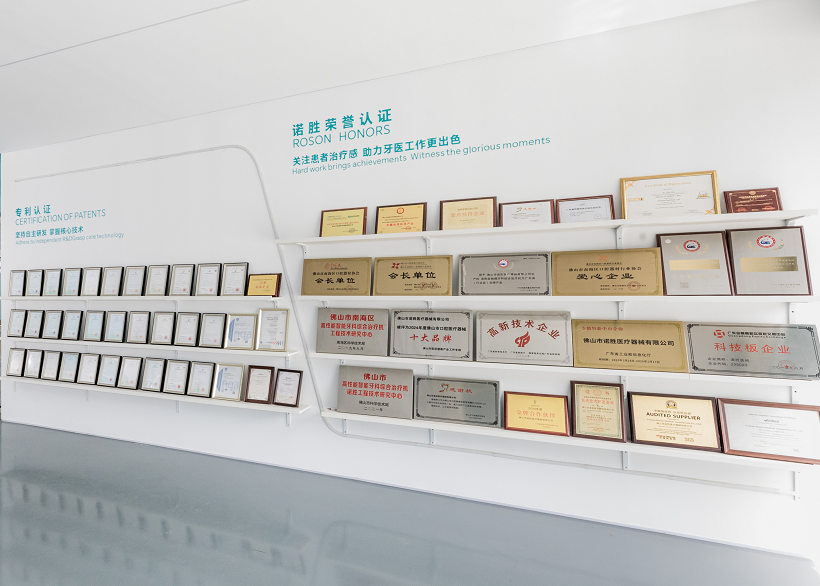
At the core of manufacturing excellence is ISO 13485:2016. This standard specifies requirements for a quality management system (QMS) where an organization needs to demonstrate its ability to provide medical devices that consistently meet customer and applicable regulatory requirements.
For accessible dental chairs, ISO 13485 certification validates that the manufacturer has a systemic approach to risk management. It ensures that every design choice—from the hydraulic lift mechanism to the stability of the base—has been verified and validated. When you see this certification, it implies that the equipment’s ability to handle higher weight loads or frequent adjustments has been rigorously tested, not just estimated.
FDA 21 CFR Part 820 and EU MDR
For equipment entering the US or European markets, adherence to FDA 21 CFR Part 820 and the EU Medical Device Regulation (MDR) is mandatory.
- FDA 21 CFR Part 820: Focuses on the Quality System Regulation (QSR), emphasizing that manufacturers must establish procedures to control the design of the device to ensure that specified design requirements are met. This is crucial for accessible devices where failure modes (e.g., an armrest collapsing during a patient transfer) pose significant injury risks.
- EU MDR: Introduces stricter requirements for clinical evaluation and post-market surveillance. It mandates that manufacturers actively monitor how their devices perform in real-world scenarios, ensuring that “accessible” features actually function safely for the intended patient population over time.
Engineering for Accessibility: Critical Design Parameters
Accessibility is often misunderstood as simply adding a “swivel” feature. True accessible design requires a fundamental re-engineering of the chair’s geometry and structural integrity to accommodate patients with limited mobility safely.
1. Transfer Geometry and Seat Height
One of the most critical safety factors for patients with mobility issues is the transfer height. Practitioner-level insights suggest that a chair’s low-entry point must align with common wheelchair seat heights to facilitate safe lateral transfers.
- The Golden Range: Aim for a low-entry seat height of 46–51 cm. This range minimizes the vertical distance a patient must lift their body weight during transfer, significantly reducing the risk of falls or strain.
- Armrest Design: Fixed armrests are a major obstruction. Safe design mandates flip-up or swing-out armrests that lock securely when in use but clear the path completely for transfer. This allows a wheelchair to be positioned directly alongside the dental chair, closing the gap for the patient.
2. Weight Capacity and Structural Safety Margins
Standard dental chairs are often rated for average weight populations, but accessible design requires robust bariatric capabilities.
- Design Targets: To ensure safety for a diverse patient base, equipment should be engineered with a target capacity of ≥250 kg (approx. 550 lbs).
- Safety Margins: It is not enough to just meet the target. Engineering best practices dictate a 25–30% safety margin over the anticipated maximum patient mass. This buffer accounts for dynamic loading—the extra force exerted when a patient sits down heavily or shifts weight suddenly.
- Hydraulic Integrity: Systems must be equipped with anti-drift valves and emergency stop mechanisms. If power fails, the chair must remain locked in position rather than collapsing, a critical requirement under IEC 60601-1 (Medical electrical equipment – Part 1: General requirements for basic safety and essential performance).
3. Serviceability and Downtime Reduction
Accessible equipment often sees higher mechanical stress. Therefore, serviceability is a safety feature. If a chair malfunctions, it must be repairable quickly to avoid canceling critical treatments.
- Mean-Time-To-Repair (MTTR): Look for designs that document a targeted MTTR of <60 minutes for common modules.
- Modular Actuators: Actuator assemblies should be modular. If a lift motor fails, a technician should be able to swap the entire module without stripping the upholstery.
- Standardized Fasteners: Avoid proprietary screws. Standardized fasteners ensure that repairs can be performed with standard toolkits, reducing the likelihood of “jury-rigged” fixes that compromise safety.
Pro Tip: When evaluating equipment, ask for the “exploded view” parts diagram. If you see hidden fasteners blocking upholstery removal or complex cable routing that requires dismantling the base, the maintenance costs (and downtime risks) will likely be high. See The Financial Impact of Dental Chair Reliability & Downtime for more on this.
Infection Control in Accessible Design
Infection control is a paramount safety standard, especially when treating vulnerable populations who may be immunocompromised. The design of the chair directly impacts the efficacy of cleaning protocols.
Surface Topography and Materials
- Seamless Upholstery: Seams are bacteria traps. Accessible chairs should feature continuous, thermoformed upholstery or high-frequency welded seams.
- Avoid Ribbing: Tightly ribbed surfaces or bellows on lift mechanisms are notoriously difficult to clean. Smooth, non-porous shrouds are essential for rapid and effective disinfection.
- Chemical Resistance: The materials used must withstand hospital-grade disinfectants without cracking or becoming brittle, which would create new reservoirs for pathogens.
Comparison: Standard vs. Accessible Safety Features
To help you visualize the difference, we have compiled a comparison of standard specifications versus those required for true accessibility and safety compliance.
| Feature | Standard Dental Chair | Accessible/Safety-Focused Chair |
|---|---|---|
| Weight Capacity | 135 kg – 150 kg | ≥250 kg (with 25% safety margin) |
| Minimum Height | 55 cm+ | 46–51 cm (Wheelchair transfer height) |
| Armrests | Fixed or Semi-Adjustable | Flip-up/Removable for lateral transfer |
| Upholstery | Stitched Seams | Seamless / Thermoformed |
| Base Stability | Standard Footprint | Reinforced/Wide Base for offset loading |
| Emergency Stop | Optional / Button only | Integrated Safety Cut-out & Manual Override |
Debunking Common Misconceptions
There is a pervasive myth in the industry that “Accessible dental chairs are niche products that are too expensive and bulky for general practice.”
The Reality:
This is a misconception that limits practice growth. Industry data and ergonomic studies suggest that features designed for accessibility—like higher weight capacities and lower entry heights—benefit all patients, not just those with disabilities.
- Universal Comfort: A lower entry height makes it easier for children and shorter adults to sit comfortably.
- Durability: The structural reinforcement required for bariatric patients makes the chair significantly more durable for daily use, extending its operational lifespan and increasing ROI.
- Future-Proofing: As the Dental Equipment Market grows and the population ages, clinics equipped for accessibility are better positioned to capture a wider market share.
Far from being a “niche” expense, accessible design is a strategic investment in efficiency and patient retention. For a broader perspective on this, refer to The ROI of an Accessible Dental Chair in Your Practice.
Strategic Buyer’s Checklist
Before finalizing a purchase order for your clinic or distribution network, use this checklist to ensure the equipment meets the necessary safety and accessibility standards.
- [ ] Certification Verification: Is the manufacturer ISO 13485 certified? Is the product CE marked or FDA cleared?
- [ ] Load Testing: Does the technical datasheet specify a safe working load of at least 250 kg?
- [ ] Transfer Test: Have you physically tested the armrest mechanism? Does it flip up completely to allow a flush transfer from a wheelchair?
- [ ] Hygiene Audit: Are the cushions removable? Are there visible seams or hard-to-clean crevices on the control pad?
- [ ] Maintenance Access: Can the hydraulic pump or lift motor be accessed without removing the patient chair from the floor mount?
- [ ] Safety Stop: Does the chair have an automatic safety stop if it encounters an obstruction while lowering?
Wrapping Up
Safety standards for accessible dental equipment are about more than checking a box for compliance. They are about engineering empathy and reliability into the tools dental professionals use every day. By adhering to frameworks like ISO 13485 and prioritizing practical features like transfer geometry and modular serviceability, clinics can ensure they provide safe, dignified care to every patient who walks—or rolls—through their doors.
Investing in robust, accessible equipment is an investment in the long-term viability and reputation of a dental practice. It signals a commitment to quality that patients trust and professionals rely on.
Frequently Asked Questions (FAQ)
Q: What is the ideal seat height for a wheelchair-accessible dental chair?
A: The ideal range is 46–51 cm. This aligns with the average seat height of most standard wheelchairs, facilitating a level, sliding transfer that reduces strain on both the patient and the dental team.
Q: Why is ISO 13485 important for dental chairs?
A: ISO 13485 certifies that the manufacturer uses a comprehensive Quality Management System. It ensures that the device is designed and manufactured consistently to meet customer and regulatory requirements, minimizing the risk of defects.
Q: Can accessible dental chairs be used for general dentistry?
A: Absolutely. Accessible chairs are simply built to higher durability and ergonomic standards. Their features, such as higher weight limits and wider adjustability, offer superior comfort and reliability for general patient populations as well.
Q: Do I need a specific room size for an accessible dental chair?
A: While the chair itself may have a similar footprint to standard models, you must account for the transfer space. Regulations typically require enough clear floor space on at least one side of the chair for a wheelchair to turn and position parallel to the dental chair (often a circle of 150 cm diameter is recommended for full turning).
Disclaimer: This article is for informational purposes only and does not constitute professional medical, legal, or financial advice. Regulations and standards such as ISO and FDA guidelines are subject to change. Always consult with a qualified compliance officer or legal professional to ensure your facility meets all current local and international requirements.
About the Author