 EN
EN  ZH
ZH 
Upgrading to an Accessible Chair: What to Consider

Upgrading your dental operatory with an accessible chair is more than a compliance tick-box; it is a strategic workflow redesign that opens your practice to a broader patient demographic. For B2B buyers—clinic owners, training centers, and distributors—the challenge lies in balancing the need for inclusivity with the operational imperatives of cost, durability, and maintenance.
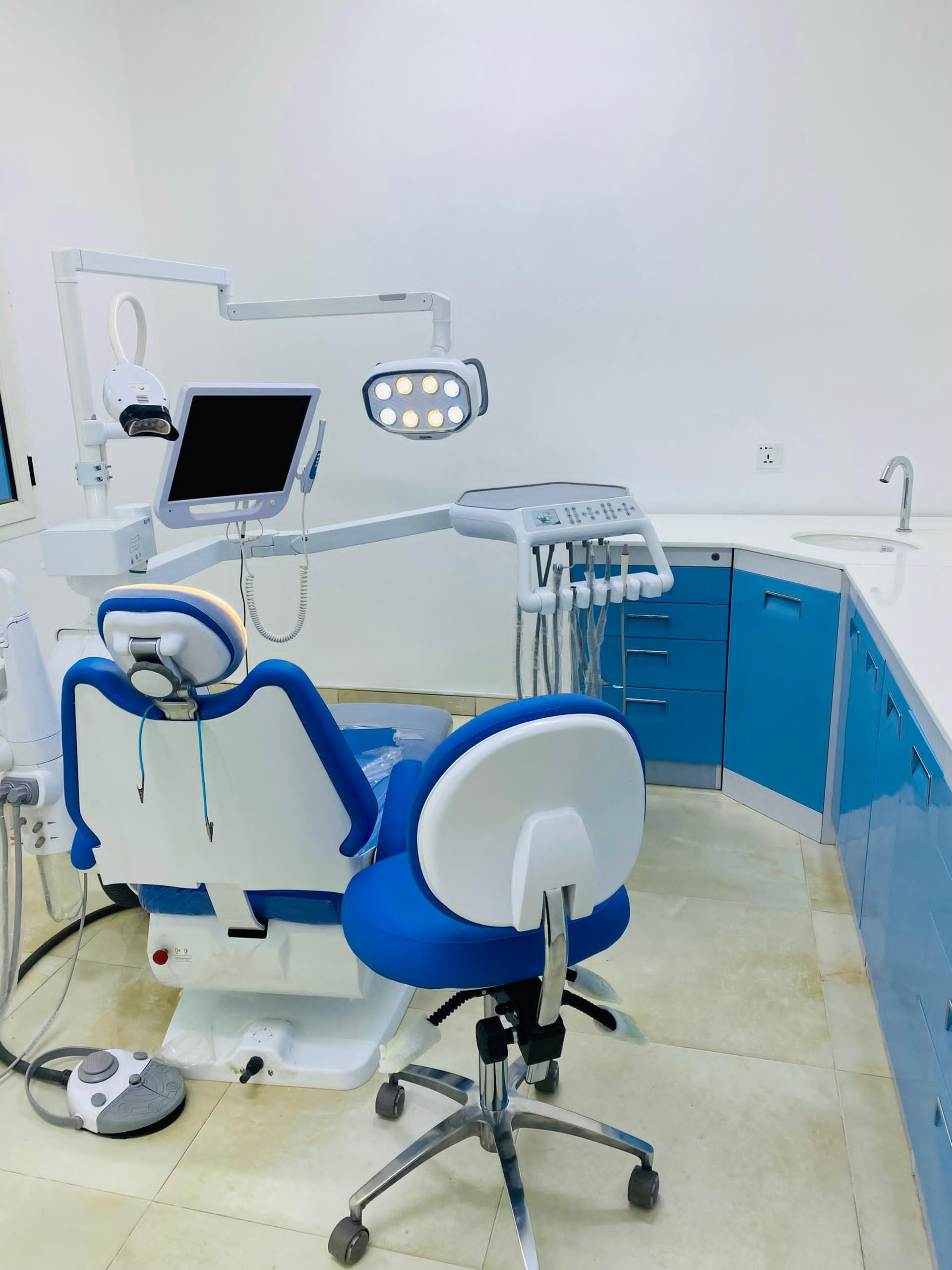
In my experience analyzing clinic upgrades, the most successful projects treat the chair not as an isolated purchase but as the anchor of a “universal design” ecosystem. A chair that accommodates a patient with limited mobility also reduces strain on the dental team, speeds up patient turnover, and minimizes the risk of liability associated with transfers.
This guide details the technical and operational considerations for upgrading to an accessible dental chair, strictly adhering to quality standards like ISO 13485:2016 and practical ergonomic heuristics.
1. The Ergonomics of Access: Critical Dimensions
When evaluating a chair for accessibility, the specifications sheet tells only half the story. You must look for specific “transfer-friendly” metrics that align with how patients actually move from a wheelchair or walker to the dental unit.
Entry Height and Transfer Mechanics
The “Goldilocks zone” for entry height is lower than many standard legacy chairs provide.
- Target Metric: Prioritize chairs with a lowest entry height between 36–42 cm (14–16.5 inches).
- Why It Matters: Most wheelchair seats sit within this range. According to ergonomic heuristics used in clinical design, ensuring the transfer-seat height difference is ≤3 cm significantly minimizes the lift effort required by the patient or the assisting staff. A chair that sits too high forces an uphill transfer, increasing the risk of falls and back strain for your team.
Weight Capacity and Stability
Standard chairs often cap out at 135 kg (300 lbs), which is insufficient for a truly inclusive clinic.
- The 1.5x Rule: A robust heuristic for durability is to specify a weight capacity at least 1.5× the heaviest expected patient.
- Practical Target: Look for hydraulic systems rated for ≥180–200 kg (400–440 lbs). This buffer ensures that the hydraulic pump and actuators are not operating at peak stress during routine lifts, which directly extends the component lifespan—a key factor in How Chair Durability Impacts Your Clinic’s Financial Health.
2. Structural Durability and Infection Control
Accessibility often correlates with higher mechanical stress. Patients with limited mobility may “drop” into the chair rather than sit gently, exerting sudden shock loads on the base and backrest actuators.
Hydraulic vs. Electromechanical
For high-load environments, hydraulic systems generally offer smoother lifting power under heavy weight compared to worm-gear electromechanical actuators. However, they require vigilance.
- Maintenance Protocol: Check hydraulic seals annually. A slow drift (sinking) of the chair is often the first sign of a seal failure.
- Compliance Note: Ensure the manufacturing process of the load-bearing components aligns with FDA 21 CFR Part 820, which mandates rigorous quality system regulations for medical device manufacturing. This is crucial for verifying that the chair’s lift mechanism has been validated for its stated load capacity.
Upholstery and Seams
In an accessible setup, the upholstery endures more friction from slide transfers.
- Material Choice: Avoid deep stitching or complex topographic contours on the seat cushion. These create friction points that hinder sliding transfers and are harder to clean if a spill occurs.
- Seamless Design: Opt for seamless, thermoformed upholstery. It reduces the risk of tearing during lateral transfers and prevents fluid ingress, which is critical for infection control standards outlined in EU MDR.
3. Workflow Redesign: Beyond the Chair
A common mistake I see is clinics purchasing a highly rated accessible chair but placing it in a room that strangles its functionality. Upgrading is a spatial project.
Transfer Clearances
You must verify the “approach vector.”
- Side Access: Ensure there is at least 80–90 cm of clear floor space on the transfer side of the chair. This allows a wheelchair to park parallel to the dental chair for a lateral transfer.
- Instrumentation Arm: Choose a delivery unit (whip arm or hanging hose) that swings completely out of the transfer zone. If the delivery unit blocks the patient’s right side, the accessibility features of the chair are rendered useless.
Staff Training and Protocols
Equipment is only as effective as the team using it.
- Drill It: Run a staff transfer protocol drill with a real mobility device (like a wheelchair) before you finalize the room layout.
- Scheduling: For new patients with mobility needs, allocate an extra 10–15 minutes for the first appointment. This buffer allows for a calm, assisted transfer without wrecking your daily schedule.
4. Financial Analysis: The ROI of Inclusivity
While accessible chairs may carry a slightly higher initial price point due to reinforced actuators and wider bases, the Return on Investment (ROI) is clear when analyzing long-term operational costs.
Total Cost of Ownership (TCO)
- Reduced Downtime: Heavy-duty chairs designed for 200kg+ loads fail less frequently under normal use.
- Market Expansion: By being one of the few clinics in your area properly equipped for geriatric or bariatric care, you differentiate your practice.
- Risk Mitigation: Proper equipment reduces the likelihood of staff injury claims related to patient lifting.
For a deeper dive into the numbers, refer to our analysis on The ROI of an Accessible Dental Chair in Your Practice.
Checklist: Accessible Chair Evaluation
Use this checklist when inspecting potential upgrades for your clinic or distribution catalog.
| Feature Category | Critical Requirement | Why It Matters |
|---|---|---|
| Entry Height | 36–42 cm (14–16.5 in) | Facilitates level lateral transfers from wheelchairs. |
| Weight Capacity | ≥180 kg (400 lbs) | Ensures safety and reduces mechanical wear on actuators. |
| Armrests | Swing-out or Removable | Essential for clearing the path for sliding transfers. |
| Upholstery | Seamless / Smooth | Reduces friction during transfers; improves infection control. |
| Base Design | Tapered / Cut-out | Allows the assisting team to get close to the patient without tripping. |
| Certifications | ISO 13485 / CE / FDA | Validates quality management and safety compliance. |
Common Misconception: “Accessible Means Institutional”
Myth: Many buyers believe that “accessible” dental chairs must look bulky, sterile, or “hospital-like,” compromising the aesthetic appeal of a modern private practice.
Reality: Modern accessible design has converged with high-end ergonomic design. Features like low entry heights and high weight capacities are now integrated into sleek, standard-footprint units. In fact, the enhanced stability required for accessibility often results in a smoother, quieter patient experience for everyone, not just those with mobility needs. A chair that is comfortable for a 90-year-old patient is arguably the most comfortable chair for a 30-year-old patient as well.
Wrapping Up
Upgrading to an accessible dental chair is a commitment to quality, safety, and market relevance. By focusing on critical dimensions like the 36–42 cm entry height, verifying heavy-duty weight capacities, and rethinking your operatory layout, you build a practice that is resilient and welcoming.
Remember, the goal is a seamless workflow where the equipment supports the clinical team rather than obstructing them. For distributors and clinic managers, prioritizing these specifications ensures compliance with rigorous standards like ISO 13485 and EU MDR, safeguarding your investment for years to come.
Frequently Asked Questions (FAQ)
Q: Can I retrofit an existing dental chair to be accessible?
A: Generally, no. Accessibility is determined by the fundamental geometry of the hydraulic base and the lift range. While you can add accessories, you cannot easily lower a chair’s minimum height or increase its safe working load limit without replacing the core unit.
Q: How often should heavy-duty hydraulic chairs be serviced?
A: We recommend a visual inspection of hydraulic seals and electrical actuators annually. However, in high-volume clinics seeing 15+ patients a day, a bi-annual check of the pivot points and fluid levels is prudent to prevent unexpected downtime.
Q: Does a higher weight capacity affect the speed of the chair?
A: It can. Heavy-duty hydraulic systems may move slightly slower to maintain torque and stability. This controlled movement is actually a safety feature, preventing jarring stops that could unsettle a patient with limited core stability.
Disclaimer: This article is for informational purposes only and does not constitute professional medical, legal, or financial advice. Regulations regarding medical device accessibility and installation vary by region. Always consult with a qualified equipment technician and legal advisor to ensure compliance with local laws and safety standards.
References
About the Author