 EN
EN  ZH
ZH 
How Bottle Systems Improve Waterline Management

The Critical Role of Water Quality in Dental Procedures
In any dental practice, the quality of water used in the dental unit waterlines (DUWLs) is a cornerstone of patient safety and infection control. This article examines the vital role of independent water bottle systems on modern dental chairs, focusing on how they empower clinics to use distilled water and adhere to strict maintenance protocols. By providing a closed, controllable water source, these systems are a fundamental feature for any practice committed to the highest standards of care.
Effective waterline management is not merely a recommendation; it is a regulatory expectation. Authorities like the FDA, through its Quality System Regulation for medical devices, mandate stringent controls to ensure patient safety. An independent bottle system is a direct and practical way to meet these requirements, moving beyond the variables of municipal water supplies. For a comprehensive overview of this topic, see our A Deep Dive into Dental Chair Waterline Management.
Tap vs. Distilled Water: Choosing a Water Source for Dental Units
The choice of water source is the first and most critical decision in managing DUWLs. While tap water is readily available, its composition presents significant challenges for dental equipment and patient safety. Distilled water, facilitated by a bottle system, offers a far superior alternative.
The Hidden Risks of Using Tap Water
Using municipal tap water directly in a dental unit introduces several risks. Tap water contains minerals (like calcium and magnesium), which can precipitate and form hard scale deposits inside the fine tubing and sensitive components of the dental unit. This scale buildup not only restricts water flow but also creates a rough surface that is an ideal breeding ground for microbial attachment and biofilm formation.
Furthermore, while tap water is treated with disinfectants like chlorine, the levels are often insufficient to control microbial growth within the complex, narrow-bore tubing of a dental unit. The water can stagnate, allowing any present microorganisms to multiply rapidly. This leads to the formation of biofilm—a slimy, resilient colony of bacteria that adheres to the inner surfaces of the waterlines and is notoriously difficult to remove.
The Purity Advantage of Distilled Water
Distilled water is the recommended standard for DUWLs precisely because it lacks the contaminants found in tap water. The distillation process removes minerals, microorganisms, and other solutes, providing a clean baseline.
Key Benefits:
- Prevents Scale Buildup: With no mineral content, distilled water eliminates the risk of scale formation, protecting the delicate internal mechanisms of handpieces and other dental instruments. This extends equipment life and reduces costly repairs.
- Minimizes Biofilm Foundation: By providing water that is free from microorganisms, you remove the initial seeds of contamination. While biofilm can still develop from patient-derived bacteria or other environmental sources, starting with pure water drastically slows its growth.
- Ensures Consistent Quality: Unlike tap water, which can vary in quality by season or municipality, distilled water provides a consistent, high-purity source that you can control. This is a core principle of quality management systems outlined in standards like ISO 13485:2016.
Common Misconception: “Filtered Tap Water is Good Enough”
A frequent myth is that using a simple filter on a tap water line is equivalent to using an independent bottle system with distilled water. While filters can remove some particulates and chlorine, they do not remove dissolved minerals and can even become a source of contamination themselves if not maintained meticulously. In reality, the most reliable infection control strategy is to eliminate the source of the problem. An independent bottle system filled with distilled water provides a closed loop that you control completely, which is the most effective method for ensuring water purity at the point of care.
How Independent Bottle Systems Improve Waterline Management
An independent water bottle system is a simple yet powerful engineering design that fundamentally changes how a clinic manages its water quality. It physically disconnects the dental unit from the unpredictable municipal water supply, placing control directly into the hands of the clinical team.
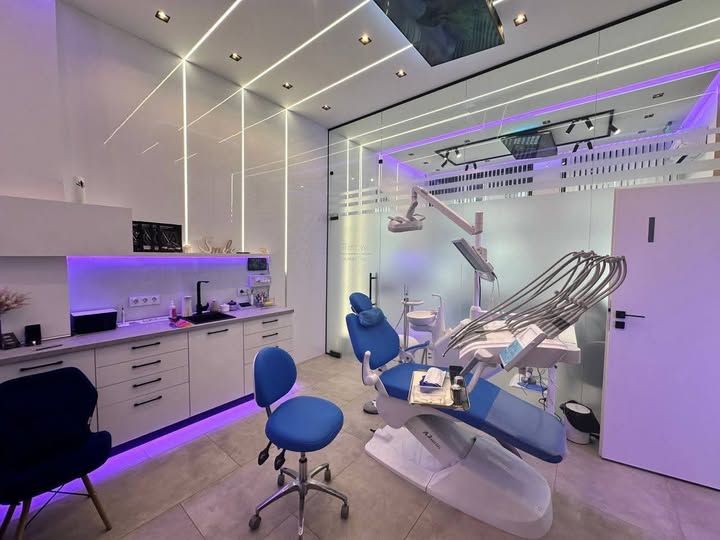
Full Control Over Your Water Source
The primary advantage of a bottle system is control. You decide what goes into your waterlines. This allows for the exclusive use of distilled or sterile water, immediately elevating the standard of care. This control is crucial for clinics operating in regions with poor water quality or for surgical procedures where sterile water is required. It aligns with the stringent requirements for medical devices sold in Europe, which must comply with regulations like the EU Medical Device Regulation (MDR).
Simplifying Daily and Weekly Maintenance Protocols
A bottle system makes routine maintenance straightforward and easy to document. The protocol is no longer abstract; it involves tangible tasks like cleaning and refilling a bottle. This simplifies staff training and ensures consistency. For clinics seeking to build robust safety protocols, a well-managed bottle system is a key component of an effective integrated waterline disinfection strategy.
Expert Tip: A Practical Maintenance Schedule
Based on my experience working with numerous clinics, establishing a simple, repeatable routine is the key to success. Forget complicated procedures; focus on the basics. Here is a sample schedule that any practice can implement to ensure DUWL safety.
| Frequency | Task | Rationale |
|---|---|---|
| Daily (Morning) | Empty any remaining water, rinse the bottle with distilled water, and refill with fresh distilled water. | Prevents microbial growth in stagnant water left overnight. The bottle should not be left with water for more than 24-48 hours. |
| Daily (Morning) | Flush all waterlines (air/water syringe, handpieces) for 20-30 seconds. | Clears any stagnant water that sat in the lines overnight, reducing microbial load. |
| Between Patients | Flush all waterlines for 20-30 seconds. | Minimizes the risk of cross-contamination by clearing any potential contaminants introduced during the previous procedure. |
| Weekly/Monthly | Perform a “shock” disinfection using an approved DUWL disinfectant. | Kills and removes any accumulated biofilm that daily flushing cannot eliminate. Always follow the disinfectant manufacturer’s instructions. |
| Every 6-12 Months | Inspect and replace one-way check valves and quick-connects. | Prevents backflow and ensures the integrity of the closed water system. |
| Every 12-24 Months | Replace the dental unit tubing. | Tubing degrades over time and can become more susceptible to biofilm adhesion. |
Best Practices for Long-Term Success
Maintaining a dental water bottle system is not complicated, but it does require consistency. Adhering to a strict protocol is the most effective way to prevent biofilm formation and ensure the system functions reliably for years.
The Non-Negotiable Daily Routine
The most impactful habit a dental team can adopt is the daily water bottle exchange. I have seen clinics dramatically improve their water quality simply by making it a rule that the last person out at night empties the bottle and the first person in fills it with fresh distilled water. This single step prevents water from stagnating for extended periods, which is when microbes flourish. This, combined with a consistent flushing routine, forms the backbone of a reliable safety program. For more on this, see our article on Reliable Flushing Systems for Consistent Water Safety.
Common Pitfalls and How to Avoid Them
Even with a bottle system, mistakes can happen. Being aware of common pitfalls is the first step to preventing them.
- Mistake #1: Topping Off the Bottle. Never simply add new water to old water. Always empty the bottle completely, rinse it, and then refill it. Topping off co-mingles fresh water with water that may already have microbial growth, defeating the purpose of the exchange.
- Mistake #2: Using Untreated Tap Water. It can be tempting to refill the bottle from the tap in a pinch, but this introduces all the minerals and microorganisms you are trying to avoid. I always advise clinics to keep a backup supply of distilled water readily accessible to prevent this shortcut.
- Mistake #3: Skipping Flushing Routines. Flushing lines at the start of the day and between patients is critical. It takes less than a minute but significantly reduces the microbial load that reaches the patient.
- Mistake #4: Over-concentrating Disinfectants. When performing a shock treatment, follow the manufacturer’s dilution instructions precisely. Using a solution that is too strong can damage the plastic tubing and metal components of the dental unit, leading to expensive repairs.
Key Takeaways
Independent water bottle systems are an essential feature of modern dental chairs, not an optional accessory. They provide the control necessary to ensure high-quality water, protect equipment from scale buildup, and facilitate simple, effective infection control protocols. By enabling the use of distilled water and making maintenance routines easy to follow, these systems directly contribute to enhanced patient safety and clinic efficiency. For any B2B buyer—whether a clinic, training center, or distributor—prioritizing dental units with reliable, easy-to-maintain bottle systems is a sound investment in quality, compliance, and long-term operational excellence.
Disclaimer: This article is for informational purposes only and does not constitute professional medical advice. Dental professionals should always consult their equipment manufacturer’s instructions for use and adhere to the guidelines set by local and national regulatory bodies for dental unit waterline maintenance.
References:
About the Author