 EN
EN  ZH
ZH 
Troubleshooting Common Dental Waterline Issues

The First Line of Defense: Preventing Dental Waterline Contamination
A sudden clog, a foul odor, or a failed water quality test can disrupt a busy dental practice, leading to downtime and raising patient safety concerns. These issues almost always trace back to a single root cause: biofilm. Dental unit waterlines, with their small diameter and low flow rates, create an ideal environment for microorganisms to attach to surfaces and multiply, forming a resilient slime layer. This is not just an operational nuisance; it is a critical aspect of infection control.
This practical guide provides a step-by-step framework for troubleshooting common dental waterline problems. We will move beyond generic advice to offer field-tested protocols that minimize equipment downtime, ensure patient safety, and maintain regulatory compliance. We’ll cover preventative routines, diagnostic steps for specific issues, and effective testing strategies.
Understanding the Root Cause: Biofilm and Stagnation
The core challenge in waterline maintenance is preventing the formation of biofilm. Stagnant water is the primary contributor. When water sits in the lines overnight or even for short periods between patients, bacteria can settle and begin forming a protective matrix. According to regulations like the FDA’s Quality System Regulation for medical devices, maintaining equipment to prevent contamination is a fundamental requirement.
A common mistake we see in many clinics is underestimating the importance of consistent flushing. Staff may not realize that biofilm can develop rapidly, turning the waterline into a reservoir for bacteria. The key is to establish a simple, non-negotiable daily routine. A robust maintenance plan is the foundation of a safe and efficient practice, a principle central to quality management systems like ISO 13485:2016. For a more detailed exploration of this topic, see our article on A Deep Dive into Dental Chair Waterline Management.
The Daily Prevention Protocol: An Actionable Checklist
An effective waterline maintenance program relies on simple, repeatable actions. The goal is to deny biofilm the stagnant conditions it needs to thrive. We have found that the most successful clinics implement a clear, visible checklist for their staff.
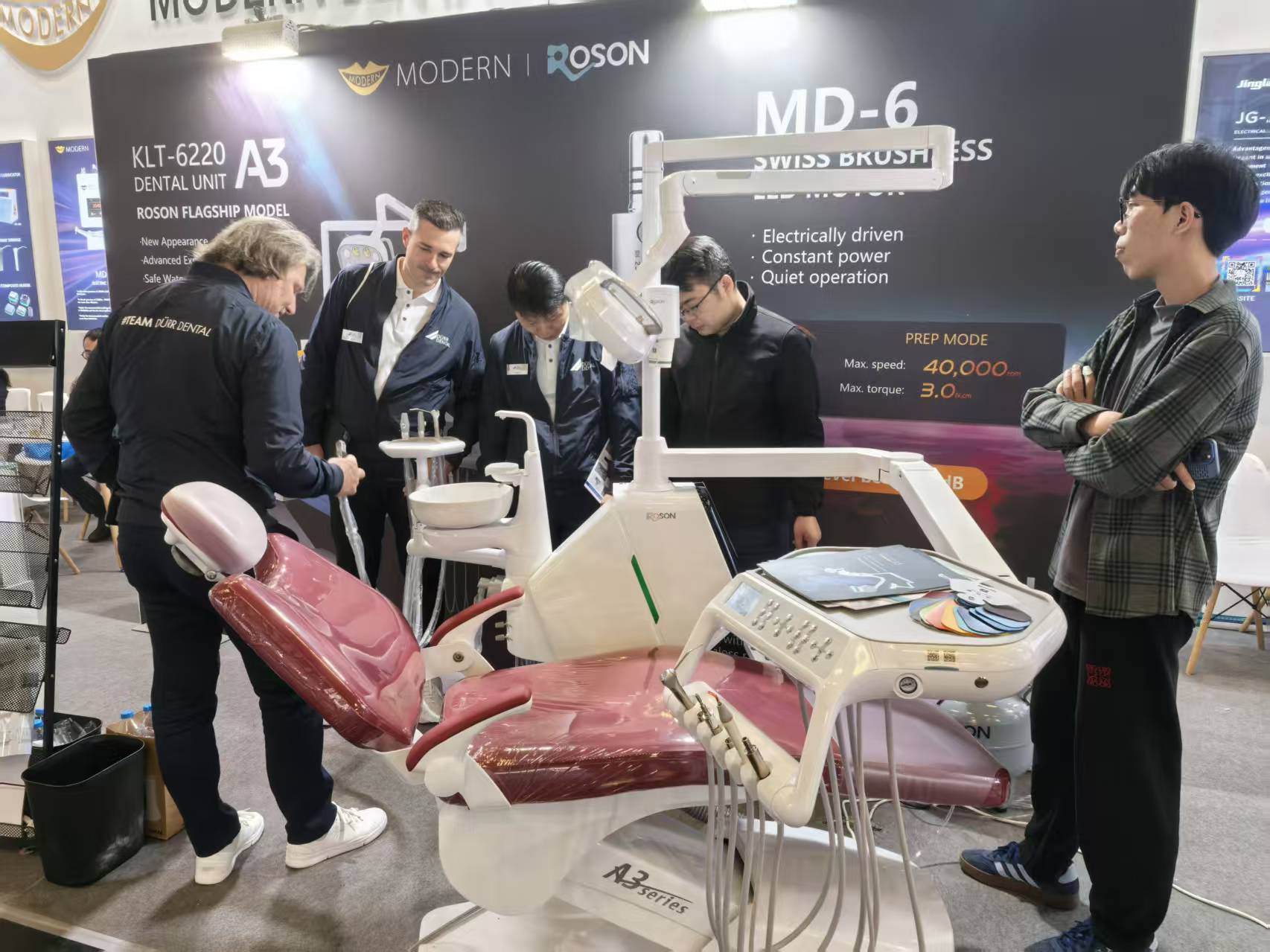
Here is a practical protocol based on proven field results:
| Time | Action | Purpose |
|---|---|---|
| Start of Day | Flush all lines (handpieces, syringes) for 2-3 minutes. | To purge any stagnant water that has been sitting overnight, removing free-floating bacteria before they can attach. |
| Between Patients | Flush all lines for 20-30 seconds. | To clear any potential contaminants introduced during the previous procedure and reduce the risk of cross-contamination. |
| End of Day | If using an independent bottle system, empty the bottle, purge the lines until dry, and leave the bottle off overnight. | To eliminate the primary source of overnight stagnation and prevent biofilm from forming in the pickup tube and bottle. |
Adhering to this schedule drastically reduces the microbial load in the waterlines, making it the single most effective step in preventing odors, clogs, and test failures. This routine is a core component of modern integrated waterline disinfection in modern dental units.
Diagnosing and Troubleshooting Specific Waterline Issues
Even with a good daily protocol, problems can occasionally arise. Here’s how to diagnose and resolve the most common issues.
Issue 1: Foul Odors or Tastes
A noticeable odor or a patient complaint about the water taste is a clear indicator of significant biofilm contamination.
- Immediate Action: Do not use the unit on patients until the issue is resolved.
- Diagnosis: The smell is caused by volatile compounds produced by bacteria and fungi within the biofilm. This suggests that the heterotrophic plate count (HPC) of bacteria in the water is likely very high.
- Solution: This situation requires a “shock” treatment. A shock is a high-level disinfectant used to eradicate an established biofilm colony. It is crucial to use a product specifically designed for dental unit waterlines and to follow the manufacturer’s instructions precisely regarding concentration and contact time. After the shock treatment, perform a thorough flush with clean source water.
- Verification: After 48-72 hours, re-test the water quality to confirm the treatment was successful.
Issue 2: Clogs or Reduced Water Flow
Reduced flow from a handpiece or syringe is often caused by a blockage. The culprit can be physical debris, but it is frequently a detached piece of biofilm.
- Step 1: Mechanical Checks: Before assuming a biofilm clog, check for simple mechanical failures. We often find that kinks or collapsed tubing, particularly at sharp 90-degree bends, are the source of the problem. Also, verify that the unit’s anti-retraction valves are functioning correctly to prevent backflow.
- Step 2: Check In-Line Filters: Many dental units have small, replaceable filters. These should be replaced annually or whenever a flow reduction greater than 25% is noticed.
- Step 3: Isolate and Purge: If mechanical checks pass, the issue is likely a biofilm obstruction. Isolate the affected waterline, disconnect the handpiece, and attempt to purge the line with a burst of air or a targeted chemical shock treatment.
Issue 3: Failed Water Quality Tests
Failing a water quality test (i.e., exceeding the CDC’s recommendation of ≤500 CFU/mL of heterotrophic water bacteria) requires a systematic investigation.
- Common Misconception: A common myth is that using an in-line filter or even distilled water guarantees safe water. In reality, while these measures help, they do not prevent biofilm. Bacteria can be introduced from a patient’s mouth via backflow or from the environment, and they will colonize any wet surface. Filters cannot stop this downstream growth, which is why chemical treatment and flushing are essential.
-
Troubleshooting Checklist:
- Verify Sampling Technique: A frequent error is collecting the water sample from the reservoir or bottle instead of the correct location. As a best practice, always collect samples from the most distal point of the waterline, such as the tip of the air/water syringe or the handpiece connector. This ensures the sample represents the water a patient would be exposed to.
- Review Daily Protocols: Conduct a direct observation or review with staff to ensure the daily flushing and bottle maintenance protocols are being followed consistently and correctly.
- Evaluate Water Source: Consider the source water. While the choice between tap and distilled water has various implications, neither is sterile. For a deeper analysis, refer to our guide on choosing a water source for dental units. For surgical procedures, only sterile water or saline delivered through a sterile device should be used.
Advanced Maintenance and Testing Strategies
For clinics aiming for the highest standards of safety and efficiency, incorporating advanced monitoring can provide valuable insights.
Pro Tip: Using ATP Testing for Internal Trend Monitoring
While heterotrophic plate count (HPC) testing is the compliance standard, it requires sending samples to a lab and waiting days for results. For rapid, internal feedback, consider using an ATP (adenosine triphosphate) meter. ATP is a molecule found in all living cells, and an ATP test provides a numerical score in seconds.
A mistake we often see is using ATP results as a direct pass/fail measure for compliance. The Relative Light Unit (RLU) thresholds for ATP devices vary, and there is no direct correlation to a specific CFU/mL count. However, ATP testing is an excellent tool for internal trend monitoring. By taking weekly readings, you can quickly see if your maintenance protocols are effective or if microbial levels are starting to creep up, allowing you to take corrective action before an official test failure.
When to Use Shock Treatments
Shock treatments are a reactive tool, not a preventative one. Routine, low-level antimicrobial treatment, often administered continuously via a tablet or liquid in the water bottle, is the preferred method for preventing regrowth. Reserve shock treatments for specific situations:
- After a confirmed high HPC test result.
- When a waterline exhibits a persistent foul odor or taste.
- When installing a new dental unit or after a long period of disuse.
Consistent prevention is always more effective and less disruptive than frequent, aggressive shocks.
Key Takeaways: Building a Resilient Waterline Safety Program
Maintaining dental unit waterlines is a continuous process, not a one-time fix. The most critical factor for success is consistency.
- Prevention is Paramount: A disciplined daily flushing and maintenance routine is the most powerful tool for preventing biofilm.
- Empower Your Team: Create a simple, one-page checklist outlining the daily and weekly tasks. Ensure all clinical staff are trained on not just the “what” but the “why” behind each step.
- Test Smartly: Use regular HPC testing for compliance and consider ATP testing for rapid internal feedback to keep your program on track.
- Document Everything: Keep a detailed log of all maintenance activities, chemical treatments, and test results. This documentation is essential for demonstrating compliance and is a core principle of quality management standards promoted by organizations like the National Institute of Dental and Craniofacial Research (NIDCR).
By implementing these practical troubleshooting and prevention strategies, your clinic can ensure water safety, minimize equipment downtime, and maintain the highest standards of patient care.
Frequently Asked Questions (FAQ)
How often should I test my dental waterlines?
General guidance suggests quarterly testing for each dental unit to ensure compliance with water quality standards. However, you should follow the recommendations of your local regulatory bodies and the manufacturer of your waterline treatment product.
Can I use tap water in my dental unit’s independent bottle system?
This depends on the quality of your local municipal water and the recommendations of your dental unit manufacturer. While some units are designed to work with tap water in conjunction with a treatment product, many practitioners prefer using distilled or purified water to reduce mineral buildup and control the water quality more effectively.
What is the difference between a waterline cleaner and a disinfectant?
A cleaner (often called a “maintainer” or “treatment”) is typically a low-level antimicrobial agent used continuously or daily to prevent new biofilm from forming. A disinfectant (or “shock”) is a high-level chemical agent used periodically to remove a significant, established biofilm colony.
Disclaimer: This article is for informational purposes only and does not constitute professional medical or regulatory advice. Dental professionals should always consult their equipment manufacturer’s instructions for use and adhere to the guidelines set by local and national regulatory bodies.
References
- Food and Drug Administration (FDA). (n.d.). Quality System Regulation (Medical Devices). Retrieved from https://www.fda.gov/regulatory-information/search-fda-guidance-documents/quality-system-regulation-medical-devices
- International Organization for Standardization. (2016). ISO 13485:2016 – Medical devices — Quality management systems — Requirements for regulatory purposes. Retrieved from https://www.iso.org/standard/59752.html
- National Institute of Dental and Craniofacial Research (NIDCR). (n.d.). Research & Resources. Retrieved from https://www.nidcr.nih.gov/
About the Author