 EN
EN  ZH
ZH 
What Is Biofilm? A Guide for Dental Professionals

The Unseen Threat: Understanding Biofilm in Your Dental Unit Waterlines
In any dental practice, infection control is paramount. While we meticulously sterilize instruments and disinfect surfaces, a persistent and often invisible threat lurks within the narrow tubing of our dental units: biofilm. This complex microbial community is the primary source of contamination in dental unit waterlines (DUWLs), and managing it effectively is a non-negotiable aspect of modern dentistry.
This article provides a foundational guide for dental professionals on the science behind biofilm. We will explore how it forms, the risks it poses to both patients and staff, and the fundamental principles for its control, moving beyond theory to practical, evidence-based strategies. Understanding the enemy is the first step to defeating it.
1. The Science of Biofilm: More Than Just Slime
At its core, a biofilm is a well-organized community of microorganisms that adhere to a surface and encase themselves in a protective, slimy layer of extracellular polymeric substance (EPS). This matrix, composed of sugars, proteins, and DNA, acts as a shield, making the embedded bacteria up to 1,000 times more resistant to chemical disinfectants than their free-floating (planktonic) counterparts.
Dental unit waterlines create a near-perfect habitat for these communities. The narrow-bore tubing, typically with inner diameters of just 1–3 mm, creates a high surface-area-to-volume ratio, which gives microbes ample space to attach and colonize. Add in periods of stagnation overnight and between patients, ambient room temperatures, and a steady nutrient supply from the source water, and you have an ideal incubator.
The Four Stages of Biofilm Formation
Biofilm development is a systematic, multi-stage process:
- Initial Attachment: Free-floating microorganisms from the source water make initial, reversible contact with the inner surface of the waterline tubing.
- Irreversible Attachment: The microbes begin to anchor themselves more permanently, forming microcolonies and signaling other bacteria to join them.
- Maturation: As the colony grows, it produces the protective EPS matrix. Complex channels form within the biofilm to circulate water, nutrients, and waste, turning it into a resilient, city-like structure.
- Dispersal: The mature biofilm periodically releases free-floating bacteria into the water stream. This is the primary mechanism that leads to contaminated water being expressed from handpieces and air/water syringes, creating a significant risk of exposure.
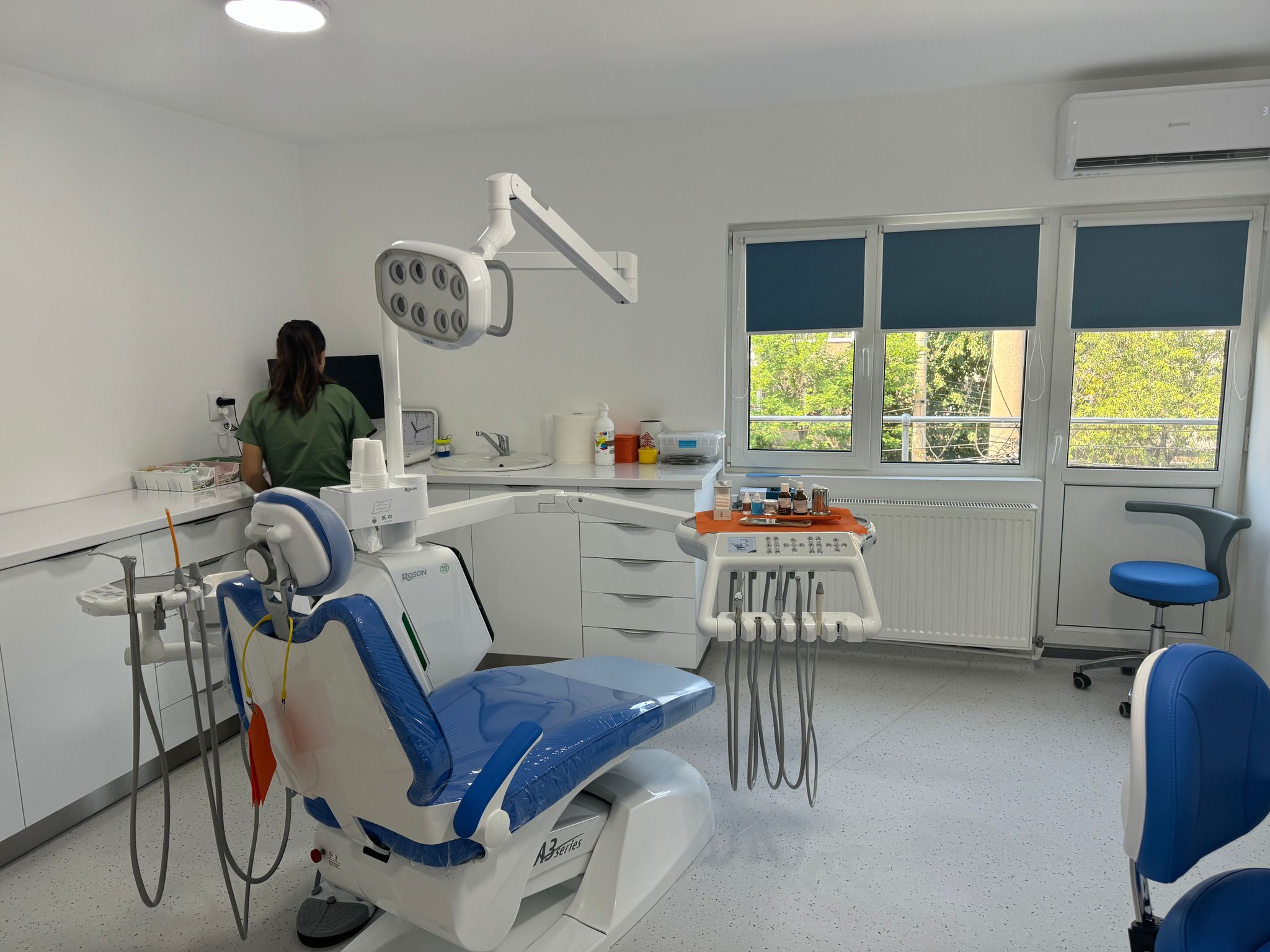
Understanding this life cycle is crucial. It clarifies why simply flushing water through the lines is insufficient for removing an established colony. A comprehensive deep dive into dental chair waterline management reveals that disrupting this cycle requires a multi-faceted approach.
2. The Inhabitants: A Profile of DUWL Contaminants
The microorganisms colonizing DUWLs are primarily common, heterotrophic water bacteria. While most are not typically harmful to healthy individuals, they can pose a significant risk to immunocompromised patients. Furthermore, the constant aerosolization of this water exposes the dental team to a chronic microbial challenge.
According to research available through resources like PubMed, the most frequently isolated organisms include:
- Pseudomonas aeruginosa: An opportunistic pathogen known for causing infections in healthcare settings.
- Legionella pneumophila: The causative agent of Legionnaires’ disease, which can be transmitted through contaminated aerosols.
- Nontuberculous Mycobacteria (NTM): A group of bacteria that can cause serious lung infections.
These microbes originate from the municipal water supply used to fill the dental unit’s independent bottles or feed the chair directly. Once inside, they establish the biofilm that continuously seeds the water flowing through the system.
3. Detecting and Measuring Biofilm Contamination
A common and dangerous assumption is that if the water looks clear, it must be clean. Biofilm is microscopic in its early stages and will not cause visible cloudiness or odor until contamination levels are extremely high. Therefore, objective measurement is essential.
The most reliable method for assessing waterline contamination is quantitative water testing using a heterotrophic plate count (HPC). This process involves collecting water samples from each unit and sending them to a laboratory or using an in-office test kit to determine the number of colony-forming units per milliliter (CFU/mL).
As outlined in quality system regulations from bodies like the U.S. Food and Drug Administration (FDA), maintaining quality standards is a core component of medical device operation. For dental waterlines, the generally accepted threshold for safe water is under 500 CFU/mL.
Expert Insight: A Practical Framework for HPC Results
In my experience, clinics that track interventions and HPC trends see a dramatic reduction in contamination events. A logbook is your best friend. We use a simple, three-tier response system based on test results.
| HPC Level (CFU/mL) | Interpretation | Recommended Action |
|---|---|---|
| < 200 | Goal Range | Your protocol is effective. Continue with routine daily/weekly maintenance. |
| 200 – 499 | Action Level | Contamination is approaching the limit. Review flushing protocols and staff compliance. Consider increasing the frequency of low-level treatments. |
| ≥ 500 | Failure | Water is unacceptable for patient use. Immediately perform a chemical shock treatment on the waterline and re-test to confirm success before returning the unit to service. |
Regular monitoring provides the data needed to validate your protocols and catch problems before they escalate. It transforms waterline maintenance from a guessing game into a managed, documented process, which is a core tenet of modern integrated waterline disinfection systems.
4. Debunking Common Myths in Waterline Maintenance
Several persistent myths can undermine even the best intentions for waterline safety. Addressing these is critical for building an effective and sustainable protocol.
Myth 1: “Using sterile water in my independent bottle keeps my lines clean.”
This is one of the most common misconceptions. While you are introducing clean water, the DUWL itself—the bottle, the pickup tube, and the entire network of narrow tubing—is likely already colonized with biofilm. The sterile water becomes contaminated the moment it enters this environment. The solution isn’t just clean source water; it’s treating the lines themselves.
Myth 2: “My in-line filter is all the protection I need.”
In-line filters, often placed just before the handpiece, are a useful tool but are not a standalone solution. They are designed to capture planktonic bacteria from the water stream at the point of exit. They do absolutely nothing to address the biofilm colony upstream, which remains the source of the contamination. Relying solely on filters is a critical mistake; they must be paired with routine chemical maintenance that actively kills and removes the biofilm itself.
Myth 3: “A powerful chemical shock once or twice a year is sufficient.”
Biofilm is incredibly resilient and grows back quickly. Infrequent, aggressive shock treatments are reactive, not proactive. A far more effective strategy, and one that aligns with the principles of reliable flushing systems, is a consistent, low-level maintenance program. Daily flushing combined with a weekly or nightly low-concentration disinfectant keeps biofilm from ever reaching a mature state. Shock treatments should be reserved for correcting a failed water test, not for routine prevention.
Wrapping Up: Key Takeaways for Proactive Biofilm Control
Managing dental unit waterline contamination is an ongoing process, not a one-time fix. The science of biofilm teaches us that these microbial communities are a natural and inevitable consequence of the DUWL environment.
The goal is not eradication, but control. Success hinges on implementing practical, consistent protocols that become an ingrained part of the clinic’s daily operations.
- Acknowledge the Threat: Understand that biofilm is a persistent, resilient source of contamination present in every dental unit.
- Be Proactive, Not Reactive: Shift from periodic “deep cleans” to a routine of daily maintenance. Simple steps, like a 20-30 second flush between patients and a 2-3 minute flush at the start of each day, significantly reduce the microbial load.
- Test and Document: Regular HPC testing is the only way to know if your protocol is working. Maintain a detailed logbook of all maintenance activities and test results for each unit. This documentation is invaluable for troubleshooting and demonstrating compliance.
- Empower the Team: Assign clear ownership of waterline maintenance tasks. The most effective programs are those that are simple to execute and are championed by the entire clinical team.
Ultimately, effective waterline management is a direct reflection of a practice’s commitment to patient and staff safety.
Frequently Asked Questions (FAQ)
Q1: How often should I test my dental unit waterlines?
For clinics just starting a maintenance program, quarterly testing is a good benchmark. Once you have consistently achieved passing results (<500 CFU/mL), you can often move to semi-annual or annual testing, as recommended by the manufacturer of your treatment product.
Q2: Can I use household bleach to clean my waterlines?
Absolutely not. Using disinfectants not specifically designed for DUWLs is a common but dangerous mistake. Household bleach and other harsh chemicals can be highly corrosive, damaging the delicate plastic tubing, O-rings, and metal components inside the dental unit, leading to costly repairs. Always use a product that is EPA-registered for waterline use and compatible with your equipment.
Q3: Does the temperature of the water affect biofilm growth?
Yes. Water kept at or above ambient room temperature can significantly accelerate microbial growth. Whenever possible, avoid connecting dental units to warm-water lines and use cool water in independent bottle systems.
Disclaimer: This article is for informational purposes only and does not constitute professional medical advice or a substitute for manufacturer-specific instructions for use. Dental professionals should consult their equipment manuals and adhere to guidelines from regulatory bodies like the CDC, ADA, and FDA for complete infection control protocols.
References
- U.S. Food and Drug Administration (FDA): Quality System Regulation for Medical Devices
- PubMed Central: Database of Biomedical and Life Sciences Research
- National Institute of Dental and Craniofacial Research (NIDCR): Research and Resources on Oral Health
About the Author