 EN
EN  ZH
ZH 
Upholstery Materials and ISO 13485 Compliance

In the high-stakes environment of dental healthcare, a chair is never just a chair. It is a medical device that must withstand aggressive chemical disinfection between every patient while maintaining the integrity required to prevent cross-contamination. For clinics, training centers, and distributors, the choice of upholstery materials is not merely an aesthetic decision—it is a critical component of ISO 13485 compliance and infection control protocols.
Under the rigorous standards of ISO 13485:2016, every component of a medical device must demonstrate consistent quality and safety. Upholstery that cracks, absorbs fluids, or degrades under standard disinfection protocols represents a breach in the sterile field, potentially leading to audit failures and safety risks. This guide examines the technical intersection of material science, manufacturing quality, and regulatory compliance to help professionals select dental chair upholstery that delivers long-term reliability.
The Regulatory Landscape: Why Upholstery Matters for ISO 13485
ISO 13485 is the internationally agreed standard that sets the requirements for a quality management system specific to the medical devices industry. While often associated with internal mechanics or software, the standard applies equally to “passive” components like upholstery surfaces that interact directly with patients and staff.
According to ISO 13485:2016 – Quality Management Systems, manufacturers must demonstrate that their products consistently meet customer and applicable regulatory requirements. In the context of dental chair upholstery, this translates to three non-negotiable performance criteria:
- Bio-compatibility: The material must not cause irritation or allergic reactions (cytotoxicity) upon contact with skin.
- Cleanability: The surface must withstand repetitive exposure to hospital-grade disinfectants without degrading.
- Integrity: The construction must prevent fluid ingress into the foam core, which could become a reservoir for pathogens.
For distributors and clinic managers, verifying these attributes is essential. A chair that looks pristine on day one but develops micro-cracks after six months of cleaning with quaternary ammonium compounds is a liability. Furthermore, adherence to these standards aligns with the FDA 21 CFR Part 820, which mandates strict quality system regulations for medical devices sold in the United States, emphasizing design controls that account for the device’s intended use environment—including the harsh chemical reality of a dental operatory.

Material Science: Vinyl vs. Polyurethane (PU)
The primary trade-off in dental upholstery lies between durability (chemical resistance) and patient comfort (softness). While luxury markets may prioritize the “hand” or feel of a fabric, high-volume clinics and training centers must prioritize the “shield.”
The Chemical Compatibility Heuristic
A common failure point in dental equipment is the mismatch between the clinic’s cleaning protocol and the chair’s upholstery.
- Vinyl (PVC): Generally offers superior chemical resistance. It creates a robust barrier against fluids and is easier to weld, creating seamless joins. Industrial-grade vinyl is often the preferred choice for high-throughput environments.
- Polyurethane (PU): Offers a softer, more premium feel mimicking leather. However, PU can be less tolerant of aggressive disinfectants like high-concentration alcohol or bleach, leading to premature peeling or “tackiness.”
Comparative Analysis: Upholstery Materials
| Feature | Industrial Vinyl (PVC) | Polyurethane (PU) | Clinical Recommendation |
|---|---|---|---|
| Chemical Resistance | High; resists bleach & quats | Moderate; sensitive to solvents | Vinyl for high-volume/training centers. |
| Abrasion Resistance | Excellent (>100k cycles) | Good (varies by coating) | Look for Wyzenbeek ratings >100,000. |
| Seam Technology | Heat-sealable / Weldable | Often stitched | Welded seams prevent fluid ingress. |
| Patient Comfort | Firmer, cooler feel | Softer, warmer feel | PU for low-volume/premium; Vinyl for durability. |
| Maintenance Cost | Low; long lifespan | Medium; may need earlier replacement | Vinyl offers better ROI for distributors. |
Pro Tip: When evaluating materials, always request a Chemical Compatibility Sheet from the manufacturer. If data is unavailable, conduct your own accelerated test: apply your clinic’s standard disinfectant to a swatch and leave it for 72–96 hours. If the material shows any sign of discoloration, hardening, or tackiness, it will likely fail within a year of clinical use.
Construction Quality: Seams and Ingress Protection
Material selection is only half the battle; how that material is constructed determines its compliance with infection control standards. The goal is to minimize “harbor points”—areas where bacteria and fluids can accumulate.
Welded vs. Stitched Seams
- Welded/Heat-Sealed Seams: This method fuses two pieces of vinyl together, creating a bond that is impervious to fluids. This is the gold standard for infection control, as there are no needle holes for pathogens to enter.
- Stitched Seams: While aesthetically pleasing, stitching creates thousands of microscopic perforations. If stitched upholstery is unavoidable, you must ensure the manufacturer uses internal waterproof liners and sealed stitch channels to protect the foam core.
Durability Metrics
For B2B buyers, “durability” should be quantifiable. Do not settle for vague promises of “high quality.” Instead, ask for specific metrics:
- Abrasion Resistance: Look for Wyzenbeek or Martindale test results in the heavy-duty range (typically >100,000 double rubs).
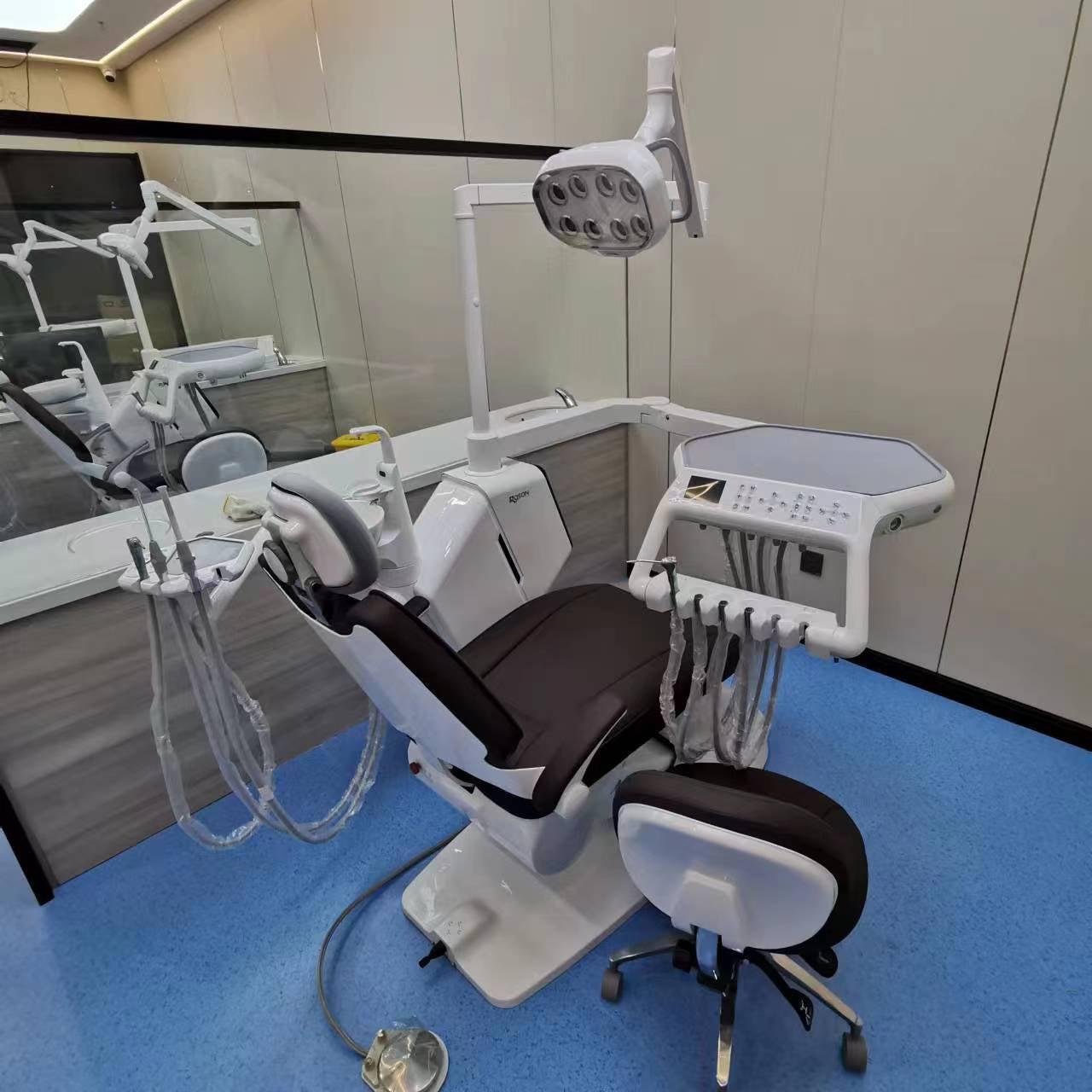
- Foam Density: High-resilience foam with a density of 35–55 kg/m³ balances patient support with long-term deformation resistance. Low-density foam will collapse, causing the upholstery to wrinkle and crack prematurely.
Common Misconceptions in Upholstery Selection
Myth: “Softer upholstery indicates higher quality.”
Reality: In a clinical setting, extreme softness often correlates with increased porosity or thinner protective coatings. While patient comfort is important, “softness” should never compromise the material’s ability to withstand disinfection. For a medical device, “quality” is defined by the ability to maintain a hygienic surface over thousands of cycles.
Myth: “All ‘medical-grade’ vinyl is the same.”
Reality: The term “medical-grade” is not a standardized metric. It can refer to anything from fire retardancy to anti-microbial treatment. Always verify specific compliance with ISO 10993 (biological evaluation) and request data on resistance to specific chemical groups (e.g., iodophors, alcohol, bleach).
Maintenance Protocols for Longevity
Even the most robust materials will fail if mistreated. Establishing a clear maintenance protocol is a requirement under ISO 13485’s provision for preservation of product.
Daily and Weekly Checklist
- Immediate Wipe-Down: Remove biological fluids immediately to prevent staining and cross-contamination.
- Disinfectant Dwell Time: Follow the disinfectant manufacturer’s instructions for “wet time.” Leaving harsh chemicals to dry on the surface (pooling) accelerates degradation.
- Rinse Step: Many manufacturers recommend wiping the surface with water after the disinfectant has done its job to remove chemical residue that causes cracking.
- Weekly Inspection: Inspect seams and high-wear areas (headrest, armrests) for micro-cracks. Any breach in the surface integrity warrants immediate replacement of the upholstery set.
Expert Warning: A mistake often seen in clinics is the use of “magic erasers” or abrasive sponges to remove scuffs. These abrasives strip the protective topcoat of the vinyl, rendering it porous and impossible to disinfect properly. Always use soft cloths.
Strategic Lifecycle Planning
For distributors and large clinics, upholstery should be viewed as a consumable component with a defined lifecycle.
- Budgeting: Plan for reupholstery or cushion replacement every 5–8 years for high-use chairs.
- Spare Parts Availability: Ensure your equipment partner provides specific part numbers for replacement upholstery sets. Documentation availability is a key aspect of EU MDR – Medical Device Regulation compliance, ensuring that devices can be maintained safely throughout their lifecycle.
Wrapping Up: The Intersection of Safety and Durability
Selecting the right dental chair upholstery is a technical decision that impacts patient safety, regulatory compliance, and long-term operational costs. By prioritizing chemical resistance, demanding welded seam construction, and verifying durability metrics like foam density and abrasion resistance, clinics can ensure their equipment remains audit-ready and functional for years.
Key Takeaways:
- Compliance First: Upholstery integrity is critical for ISO 13485 and infection control audits.
- Material Matters: Vinyl is generally superior to PU for chemical resistance in high-volume settings.
- Test It: Perform a 72-hour chemical compatibility test if manufacturer data is missing.
- Construction: Prioritize welded seams to prevent fluid ingress.
- Maintenance: Rinse off chemical residues and avoid abrasive cleaning tools.
Frequently Asked Questions (FAQ)
Q: Can I use household bleach to clean dental chair upholstery?
A: It depends on the concentration and the material. Many industrial vinyls can withstand a 1:10 bleach solution, but frequent use can cause yellowing or brittleness over time. Always check the manufacturer’s Chemical Compatibility Sheet.
Q: How often should dental chair upholstery be replaced?
A: In a high-volume clinic, upholstery typically lasts 5–8 years. However, if cracks, tears, or significant hardening appear, it must be replaced immediately to maintain infection control standards.
Q: What is the difference between “medical-grade” and standard vinyl?
A: Medical-grade vinyl typically includes specific additives to resist bacterial growth, withstand healthcare disinfectants, and meet fire safety codes. It is also tested for bio-compatibility (skin contact safety).
Q: Does ISO 13485 certify the upholstery itself?
A: ISO 13485 certifies the manufacturer’s quality management system, ensuring they have processes to control design and quality. However, the material itself should meet specific standards (like ISO 10993 for bio-compatibility) which the quality system ensures are consistently applied.
Disclaimer: This article is for informational purposes only and does not constitute professional medical, legal, or regulatory advice. Standards and regulations such as ISO 13485 and FDA guidelines are subject to change. Always consult with a qualified regulatory expert or your equipment manufacturer for specific compliance requirements.
References
About the Author