 EN
EN  ZH
ZH 
Reliable Flushing Systems for Consistent Water Safety

The Critical Role of Reliability in Dental Waterline Flushing Systems
Not all waterline flushing systems are created equal. While many dental chairs offer automated flushing, the long-term reliability of these systems is what truly separates consistent safety from a false sense of security. An automated system that fails silently can leave a practice unknowingly non-compliant and expose patients to risk. This article examines the core principles of reliable automated flushing systems, providing a framework for ensuring your dental unit waterlines (DUWLs) remain safe and compliant year after year. We will explore the mechanics of effective systems, optimized flushing protocols based on clinical experience, and the maintenance practices that underpin lasting performance.
1. The Silent Threat: Understanding Biofilm in Dental Unit Waterlines
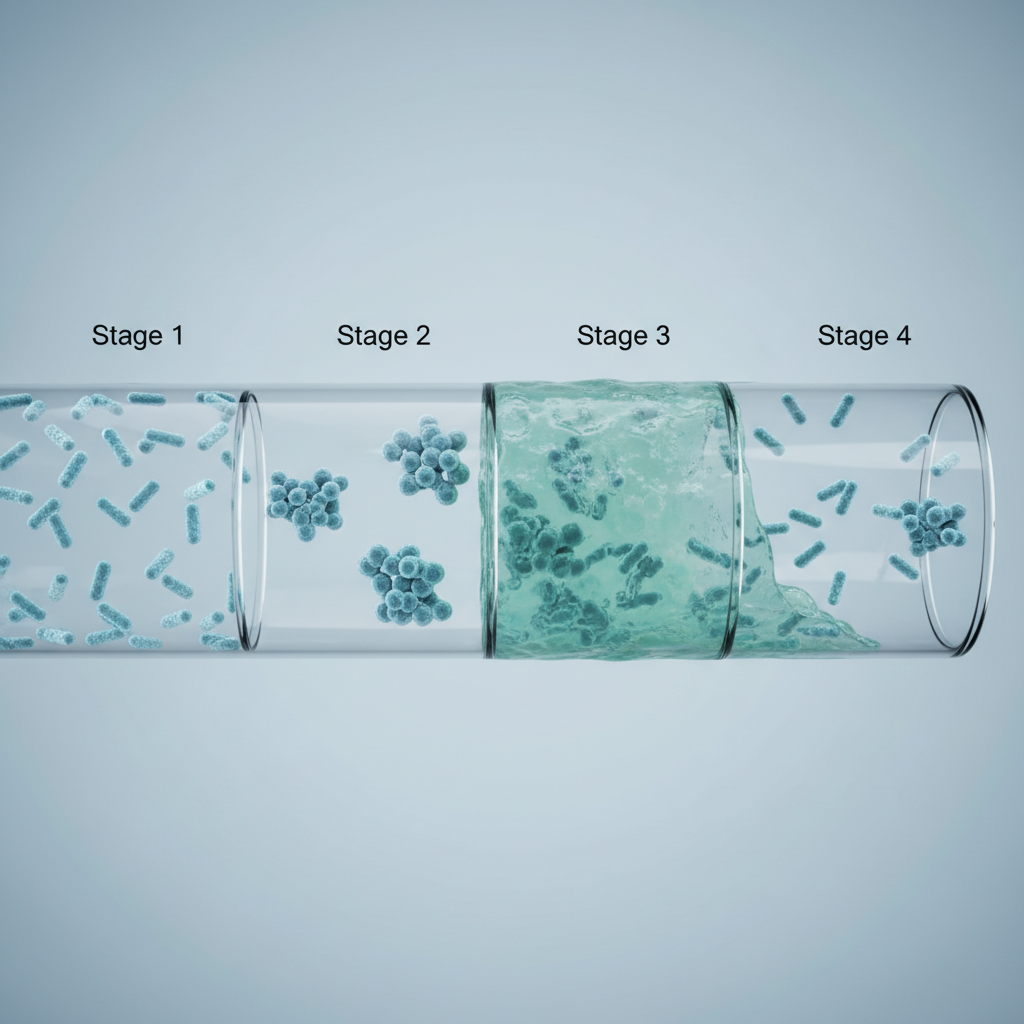
The foundation of waterline safety is understanding the adversary: biofilm. Dental unit waterlines, with their small diameter, low flow rates, and ambient temperature, create an ideal environment for microorganisms to attach to internal surfaces and proliferate. These colonies form a protective slime layer known as biofilm, which can continuously release bacteria into the water used for patient treatment.
According to research available through sources like PubMed, these biofilms can harbor a variety of opportunistic pathogens. The presence of a robust quality control system, as outlined in regulations like the FDA’s 21 CFR Part 820, is not just a manufacturing concern but extends to the entire lifecycle of the device, including its routine use and maintenance in a clinical setting. A dependable flushing system is a critical component of this quality control, actively disrupting biofilm formation before it becomes a significant threat.
2. Anatomy of a Reliable Automated Flushing System
While manual flushing is an option, its effectiveness hinges on perfect, unfailing staff compliance. Automated systems are designed to remove this variable, but their reliability depends on the quality of their components and design.
Key Mechanical Features
A trustworthy system is built with durability in mind. Look for components designed for longevity and repeated use:
- Solenoid Valves: High-quality valves that resist scale buildup and corrosion are essential for consistent operation. A valve that sticks open wastes water, while one that fails to open renders the system useless.
- Programmable Timers: A flexible, user-friendly timer allows the clinic to set specific flushing schedules that match their workflow, such as longer cycles overnight and shorter purges between patients.
- Durable Tubing: The materials used for the waterlines themselves matter. Some tubing materials can degrade when repeatedly exposed to harsh chemical disinfectants. As one practitioner noted, it’s crucial to use neutral or manufacturer-recommended chemistries and plan for the proactive replacement of soft tubing every 12–24 months in high-use environments to prevent leaks and failures.
Common Misconception: “Any Automated Flush is a Good Flush”
A frequent myth is that simply having an automated system guarantees waterline safety. In reality, the effectiveness is determined by the protocol, not just the presence of automation. A common mistake is underestimating the required flush volume. Many systems default to short, frequent pulses that may not create enough velocity or water exchange to displace stagnant water and disrupt early-stage biofilm. Clinical experience shows that programs delivering larger single displacements—between 250 to 500 mL per cycle—are more effective at reducing positive ATP test results.
3. Optimizing Flushing Protocols for Maximum Efficacy
A reliable system is only as good as the instructions it follows. Implementing a scientifically sound flushing protocol is non-negotiable for consistent water safety. The goal is to balance efficacy with practicality, minimizing stagnation without excessive water consumption.
Pro Tip: Tailor Your System to Your Clinic’s Resources
When choosing or retrofitting a flushing system, consider your clinic’s access to technical support.
- For Resource-Limited Clinics: Mechanical simplicity is often superior. Systems with robust, simple-to-service mechanical valves and timers may offer better long-term reliability and lower maintenance costs where specialized technical service is unavailable.
- For Clinics with Technical Support: Fully integrated electronic controls offer advanced programming, logging, and remote diagnostic capabilities. These are excellent choices where staff are trained to use them and technical support is readily available to address any software or electronic issues. This decision can be a key part of your clinic’s Cost-Effective Dental Chair Integration Strategies.
Sample Flushing and Maintenance Schedule
This table provides a starting point for a comprehensive waterline maintenance protocol. Always adapt schedules based on your equipment manufacturer’s guidelines and the results of your water quality monitoring.
| Frequency | Task | Rationale & Key Metrics |
|---|---|---|
| Daily (Morning) | Automated Long Flush | Run a cycle of several minutes before the first patient to displace all overnight stagnant water (target 2–4 liters). |
| Between Patients | Automated Short Flush | Run a 20–30 second flush from each instrument line to remove any potential patient-derived contaminants. |
| Daily (End of Day) | Purge Lines | If not using an automated overnight flush, purge all lines with air to leave them dry. |
| Weekly | Disinfectant Treatment | Use a “shock” treatment or an approved continuous disinfectant as per manufacturer instructions. |
| Monthly | Water Quality Test | Perform an in-office test (e.g., ATP meter or mail-in culture test) to validate the protocol’s effectiveness. |
| As Needed / Annually | Component Inspection | Check valves for leaks, timers for accuracy, and tubing for signs of wear, discoloration, or brittleness. |
4. Verification, Maintenance, and Long-Term Compliance
Trust, but verify. A flushing system’s performance must be regularly monitored to ensure it is functioning as intended. This aligns with the principles of a quality management system, such as that detailed in the ISO 13485:2016 standard for medical devices, which emphasizes process monitoring and documentation.
A simple daily log to confirm system operation is a powerful tool. Staff can perform a quick visual check:
- Does water flow from all outlets during the flush cycle?
- Do the valves open and close without hesitation or noise?
- Are there any visible leaks around the unit or connectors?
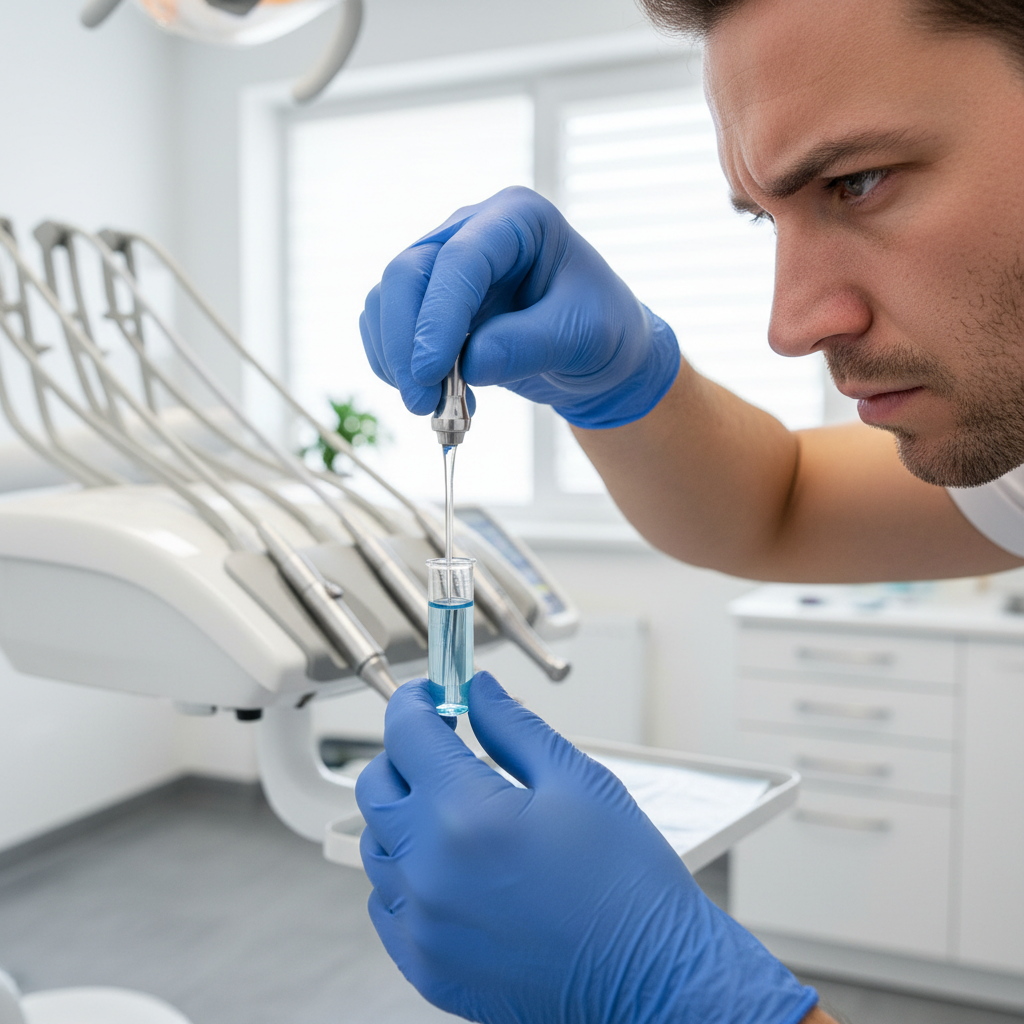
Keeping a small inventory of spare parts, like common valves or a replacement timer, can prevent a minor failure from causing prolonged downtime. This proactive approach to maintenance is a cornerstone of operational efficiency and directly impacts your clinic’s bottom line, reflecting the same principles discussed in How Chair Durability Impacts Your Clinic’s Financial Health. Regular validation through water testing provides the ultimate proof that your system and protocols are working together to ensure patient safety.
Wrapping Up: Key Takeaways
Ensuring dental unit waterline safety is an ongoing process, not a one-time fix. The reliability of your automated flushing system is the foundation of that process. By prioritizing robust mechanical design, implementing evidence-based flushing protocols, and committing to a routine of verification and maintenance, a dental practice can achieve consistent, dependable, and compliant water quality. This not only protects patients but also safeguards the clinic’s reputation and operational integrity.
Frequently Asked Questions (FAQ)
1. How often should I test my dental unit waterlines?
It is a common practice to test waterlines quarterly. However, you should test monthly after installing a new system or implementing a new treatment protocol to validate its effectiveness quickly. Always test after a major repair to the dental unit’s plumbing.
2. Can I use any chemical disinfectant with my flushing system?
No. Always use a disinfectant that is approved by the dental unit manufacturer. Using incompatible chemicals can damage waterline tubing, seals, and valves, leading to system failure and costly repairs.
3. What is the difference between waterline flushing and “shocking”?
Flushing is the regular, high-volume passage of water through the lines to remove loosely attached microbes and stagnant water. “Shocking” is the periodic use of a strong chemical disinfectant to kill and remove accumulated biofilm from the interior surfaces of the tubing. Both are necessary components of a comprehensive maintenance protocol.
Disclaimer: This article is for informational purposes only and does not constitute professional medical or regulatory advice. Dental professionals should always consult their equipment manufacturer’s instructions for use and adhere to the guidelines set forth by local and national regulatory bodies.
References
About the Author