 EN
EN  ZH
ZH 
Synchronized vs. Independent Chair Movement Explained

What is the Difference Between Synchronized and Independent Chair Movements?
Choosing a dental chair involves navigating a host of technical specifications, but few have a more direct impact on your daily workflow and physical well-being than the chair’s movement system. The debate between synchronized and independent movement isn’t just about mechanics; it’s about ergonomics, procedural efficiency, and patient management. Understanding the fundamental differences is the first step toward making an informed investment for your practice.
At its core, the distinction is simple:
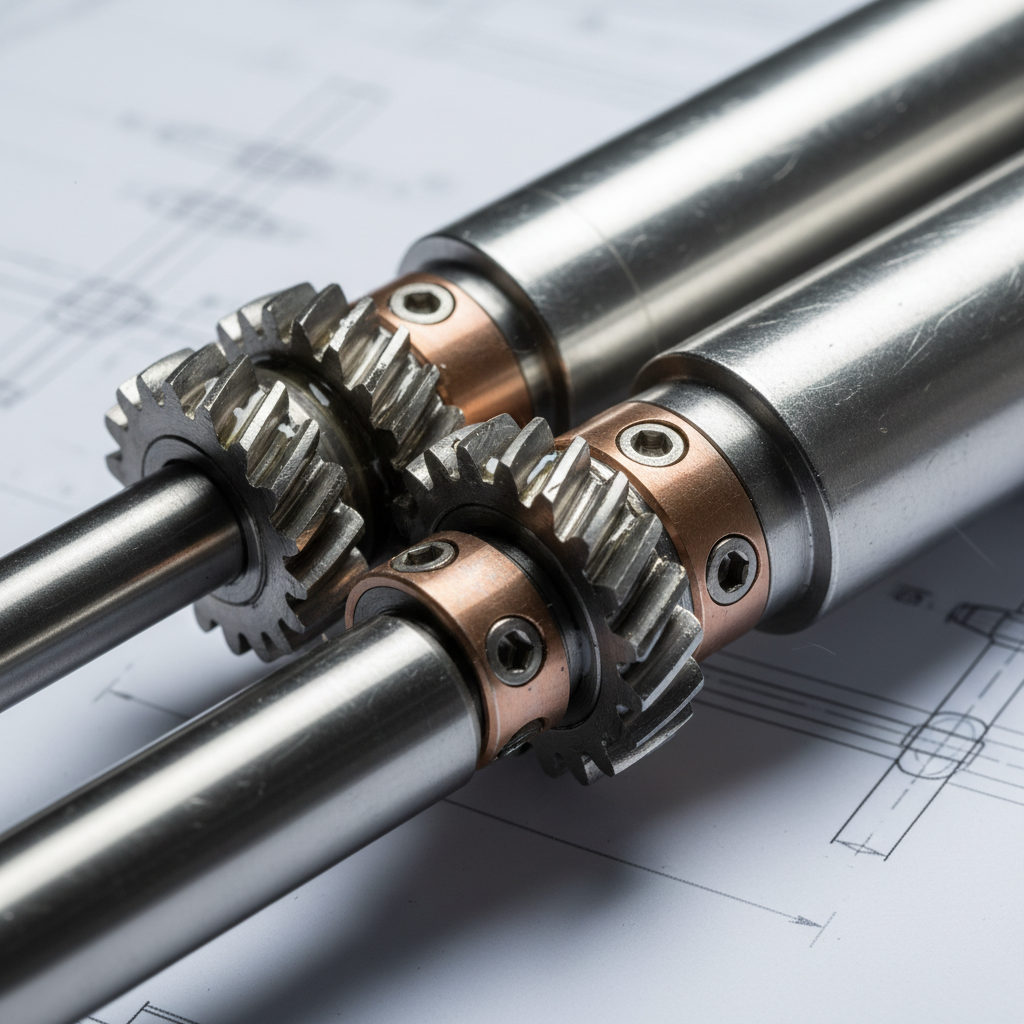
- Synchronized Movement: In this system, the backrest and seat are linked and move together in a predetermined ratio. When you recline the backrest, the seat automatically tilts to maintain the patient’s position. This creates a smooth, cradle-like motion that is often referred to as “Trendelenburg” positioning.
- Independent Movement: This system offers granular control, allowing you to adjust the backrest, seat tilt, and sometimes the leg rest as separate, individual components. You can change the backrest angle without affecting the seat, and vice-versa.
Both designs are engineered to facilitate optimal access to the oral cavity while supporting the patient. The quality and safety of these mechanisms are governed by stringent international standards. For instance, adherence to ISO 13485:2016 – Quality Management Systems ensures that a manufacturer has a robust process for designing, producing, and testing medical devices to be both safe and effective.
The Clinical Decision Framework: Matching Movement to Your Practice
The “best” system is not universal; it is the one that best aligns with your clinic’s primary procedures, the number of operators using the chair, and your ergonomic working style. I’ve worked with hundreds of clinics, and the right choice almost always comes down to their specific daily demands.
Use Case 1: The High-Throughput General Practice
For a busy general dentistry or hygiene practice, efficiency is paramount. Every minute saved during patient setup contributes to a more productive schedule. In this environment, a synchronized system is often the superior choice.
I’ve observed that clinics focused on routine check-ups, cleanings, and simple restorations benefit from the “one-touch” convenience. The ability to move a patient from an upright to a fully supine position with a single button press simplifies the workflow, especially in operatories with a single dentist or hygienist. This quick, predictable motion reduces the time spent on adjustments between patients. A common heuristic is to find a chair that smoothly reclines to the 120–135° angle that is comfortable for most operative procedures, a task for which synchronized systems are perfectly optimized.
Use Case 2: The Multi-Specialty or Surgical Clinic
In contrast, practices that perform more complex procedures—such as prosthodontics, endodontics, oral surgery, or extensive implantology—benefit immensely from the precision of an independent movement system.
During these procedures, minute adjustments are critical for visibility and access. A mistake I often see is operators in the wrong chair trying to compensate for poor patient positioning by contorting their own bodies, leading to neck and shoulder strain. For me, the real game-changer in complex cases was being able to slightly alter the patient’s head tilt with the backrest without moving their entire torso. This level of micro-adjustment is essential for maintaining a neutral wrist and shoulder posture over long periods. Furthermore, independent systems are better suited for multi-operator clinics, as they can more easily accommodate practitioners of different heights and working preferences.
At a Glance: Synchronized vs. Independent Systems
To make the decision clearer, here is a direct comparison of the two systems based on key clinical and operational factors.
| Feature | Synchronized Movement System | Independent Movement System |
|---|---|---|
| Primary Use Case | General dentistry, hygiene, high patient throughput. | Specialized procedures, surgery, imaging, multi-operator use. |
| Adjustment Speed | Fast, with a pre-set movement ratio for quick positioning. | Slower, as it requires individual adjustments of each component. |
| Positional Precision | Good for general positioning and common procedures. | Excellent for fine-tuning specific head, neck, and back angles. |
| Workflow Efficiency | Highly efficient and simple for single operators and standardized procedures. | More complex to adjust but offers unmatched flexibility for varied tasks. |
| Ergonomic Benefit | Reduces setup time and simplifies patient positioning. | Allows for precise operator posture adjustments, reducing strain during long procedures. |
| Initial Cost | Generally more cost-effective due to simpler mechanics. | Can be more expensive because of additional motors and complex linkages. |
Common Pitfalls and Expert Heuristics for Chair Adjustment
Owning a highly adjustable chair is one thing; using it correctly is another. Over the years, I’ve identified several common mistakes and developed heuristics that can significantly improve a practitioner’s ergonomic health.
Debunking a Myth: “More Adjustability Is Always Better”
A common misconception is that a chair with more independent adjustment options is automatically more ergonomic. In reality, an overabundance of features without proper training can lead to a worse outcome. Operators can get lost in the settings, ending up in a position that feels “close enough” but is ergonomically compromised. The true key to ergonomics is using the available adjustments—whether synchronized or independent—to achieve a neutral working posture consistently. A simpler synchronized chair, used correctly, is far better than a complex independent chair used incorrectly.
Expert Warning: The “Drift and Creep” Problem
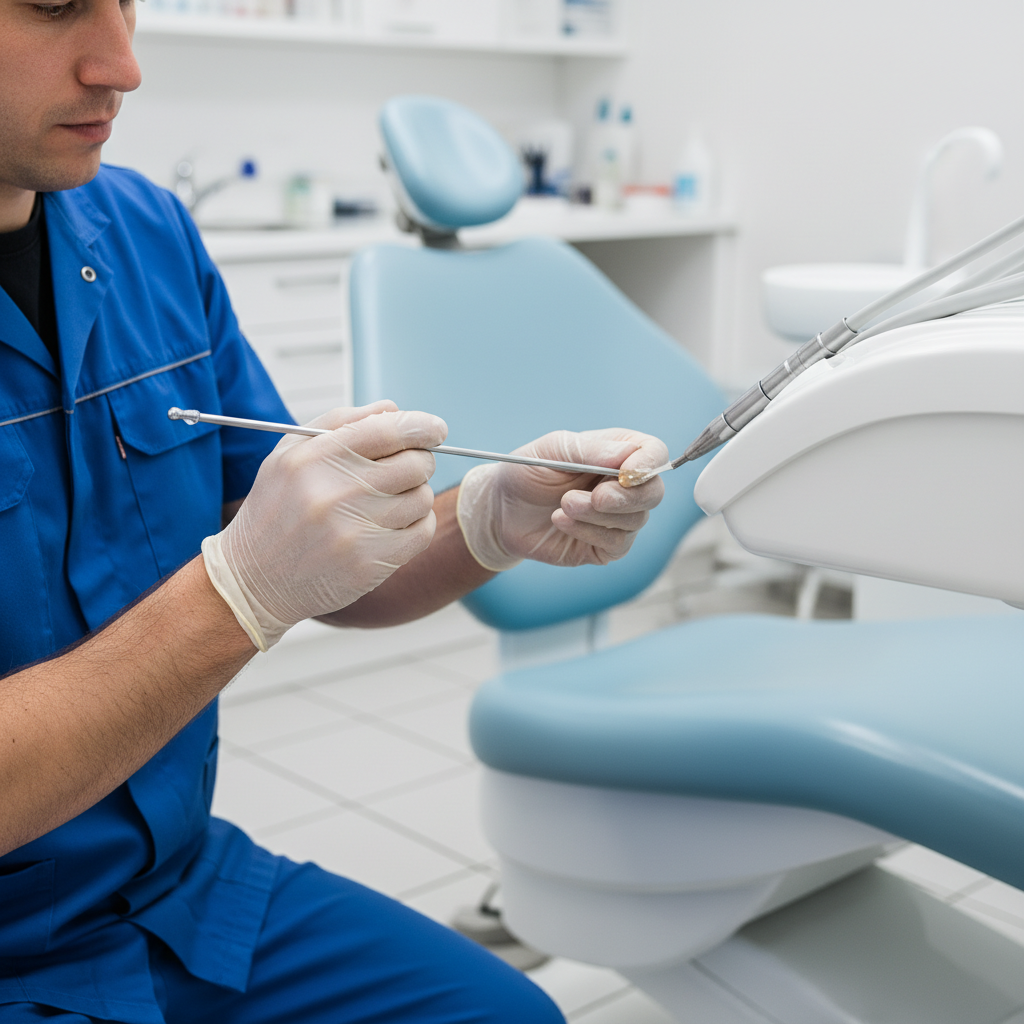
One of the most frustrating issues during a delicate procedure is chair “drift” or “creep,” where the chair slowly moves or loses its position under the patient’s weight. This is almost always a sign of neglected maintenance. The pivot bushings, hydraulic seals, and electric actuators in both types of systems require periodic checks. In high-turnover clinics, I recommend inspecting pivot points and lubricating all sliding surfaces every 6 to 12 months to prevent this frustrating and potentially dangerous component wear. For more guidance on this, our article on how chair durability impacts your clinic’s financial health provides a deeper analysis.
Maintenance, Compliance, and Long-Term ROI
A dental chair is a long-term investment, and its value is measured not just by its initial price but by its durability, reliability, and compliance with regulatory standards.
Proactive Maintenance for Longevity
Beyond preventing drift, a regular maintenance schedule extends the life of your chair and ensures its safe operation. Based on field observations, here is a practical checklist:
- Every 6-12 Months: Inspect and lubricate all pivot points and sliding surfaces.
- Annually: Check the function of all electric actuator limit switches and inspect for hydraulic leaks.
- On Hand: Keep common spare parts available, such as fuses, footswitch covers, and replacement upholstery, to minimize downtime.
This proactive approach is a core tenet of maintaining equipment under medical device regulations, such as the FDA’s Quality System Regulation, which mandates procedures for servicing.
Compliance: The Non-Negotiable Factor
When purchasing a dental chair, verifying its regulatory compliance is critical. Certifications like the CE Mark indicate conformity with health and safety standards for products sold within the European Economic Area, governed by regulations like the EU Medical Device Regulation (MDR). These certifications are not just paperwork; they are your assurance that the chair has undergone rigorous testing for electrical safety, biocompatibility of materials, and mechanical stability. A chair without proper documentation is a risk to your patients, your staff, and your practice.
Wrapping Up: Key Takeaways for Your Clinic
The choice between a synchronized and an independent movement system is a strategic one. There is no single “best” answer, only the right fit for your specific clinical context.
To summarize the decision:
- Opt for a synchronized system if your practice prioritizes speed, workflow simplicity, and high patient turnover for general dentistry and hygiene.
- Choose an independent system if your work demands precision, involves specialized or surgical procedures, or requires the flexibility to accommodate multiple operators with different ergonomic needs.
Ultimately, the right chair should feel like an extension of your own body, allowing you to work comfortably and efficiently without end-of-day fatigue. By considering your primary procedures and applying proper ergonomic principles, you can select a system that will serve as a reliable foundation for your practice for years to come. For a broader look at what to consider, review A Clinic’s Checklist for Choosing Comfortable Chairs.
Frequently Asked Questions (FAQ)
Q1: Can a synchronized chair be used for surgical procedures?
Yes, it can, especially for simpler surgeries. However, it may not offer the fine-tuned head and neck angulation required for more complex procedures, potentially leading to operator strain over time. Independent systems remain the preferred choice for surgical specialists.
Q2: Is there a significant price difference between the two systems?
Generally, independent movement systems are more expensive due to their mechanical complexity, requiring more motors, actuators, and linkages. However, the long-term return on investment from improved ergonomics and procedural capability can often justify the higher initial cost for specialty practices.
Q3: How does the chair’s movement system affect patient comfort?
Both systems can be very comfortable if they feature quality upholstery and smooth, jolt-free motion. Some patients find the cradle-like motion of a synchronized system to be more reassuring when reclining. However, for lengthy procedures, the ability of an independent system to make small positional adjustments can help reduce patient stiffness and discomfort.
Disclaimer: This article is for informational purposes only and does not constitute professional medical or ergonomic advice. Practitioners should evaluate equipment based on their specific clinical needs and consult with ergonomic specialists. Always ensure that any medical device complies with the regulatory standards in your region.
About the Author