 EN
EN  ZH
ZH 
How Lift Systems Impact Patient Chair Experience

How Lift Systems Impact Patient Chair Experience
The dental chair is the centerpiece of the operatory, but it’s the unseen technology within that often defines the patient experience. Beyond cushioning and ergonomics, the lift system—the mechanism that raises and lowers the chair—plays a pivotal role in patient comfort, perceived quality, and the clinic’s operational efficiency. The choice between the two primary lift technologies, hydraulic and electromechanical, has significant implications for everything from motion smoothness to long-term maintenance.
For clinic owners and practitioners, understanding these differences is key to making an informed investment. A jerky or loud lift system can create anxiety for a patient before a procedure even begins, while a smooth, quiet chair communicates precision and care. This article provides a technical comparison of hydraulic and electromechanical lift systems, analyzing their performance, reliability, and total cost of ownership to help you choose the right foundation for your practice.
1. Motion Quality: The Patient’s First Impression
A patient’s judgment of a dental chair begins the moment it starts moving. The smoothness, speed, and noise of the lift system are direct inputs into their sense of comfort and safety. For a detailed guide on this, see our article on Balancing Patient Comfort & Practitioner Ergonomics.
Smoothness and Speed
Practitioners consistently report that perceived smoothness during start/stop cycles and a steady speed over the full range of travel are critical. An ideal vertical travel time—from the lowest to the highest position—is typically between 6 and 12 seconds. Anything faster can feel abrupt and unsettling for the patient. The key to smooth motion lies in damping and soft-start capabilities, which reduce the “jerk” or sudden change in acceleration.
- Hydraulic systems have long been favored for their exceptionally smooth, fluid-like motion. The nature of compressing and releasing fluid inherently dampens vibrations and allows for a gentle start and stop.
- Electromechanical systems, which use a motor-driven screw or actuator, can vary. High-end models with sophisticated controllers and soft-start settings can rival the smoothness of hydraulics. However, more basic systems can feel less refined, with noticeable jolts at the beginning and end of the movement.
A common mistake I see is clinics neglecting to configure the soft-start and damping settings on their electromechanical chairs. These adjustments are often built into the control board and can reduce perceived jerk by a third, dramatically improving the patient experience without any hardware changes.
Noise Level and Frequency
Noise is another major factor. A quiet environment is crucial for patient relaxation, and the lift system should not be a distraction. Industry experience suggests that noise levels above 50–55 dB during motion are often reported by staff as distracting.

- Hydraulic systems typically produce a low-frequency hum. This sound is often perceived as less intrusive and can blend into the background noise of a clinic.
- Electromechanical systems generate a higher-frequency whine from the motor and gearbox. While the decibel level might be similar, this higher-pitched sound can be more noticeable and potentially more grating to both patients and staff.
Positioning Accuracy
Precise positioning is essential for practitioner ergonomics and effective treatment. The ability to make minor, controlled adjustments is a key functional requirement. For more on this, our article on Positioning Patients for Comfort and Treatment Access offers in-depth strategies.
- Electromechanical systems excel here. Their design allows for highly precise, repeatable, and programmable positions. Once a position is saved, the chair can return to it with near-perfect accuracy every time.
- Hydraulic systems, while smooth, can sometimes exhibit a slight “drift” or “bounce” as the fluid settles, making micro-adjustments slightly less precise than their electromechanical counterparts.
2. Reliability and Maintenance: The Clinic Owner’s Concern
While patients focus on comfort, clinic owners must consider the long-term reliability and maintenance costs that impact their bottom line. A chair that is frequently out of service is a drain on productivity and revenue. The durability of a chair is a core component of your clinic’s financial health, a topic we explore further in How Chair Durability Impacts Your Clinic’s Financial Health.
Debunking a Common Myth: Are Hydraulic Systems Always More Durable?
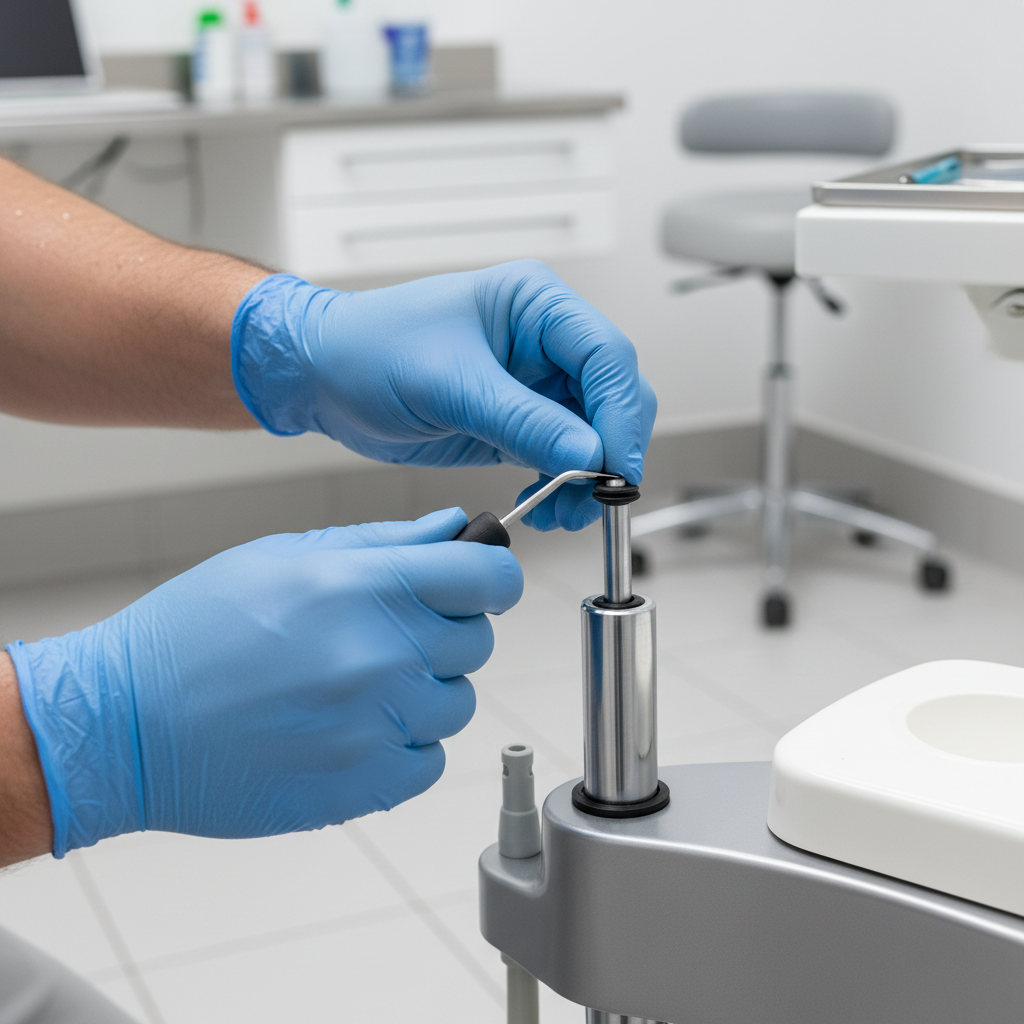
A common belief is that hydraulic systems are inherently more robust because they have fewer moving parts. While it’s true they can handle heavy loads, their durability is contingent on the quality of their seals and hoses. A simple seal failure can lead to fluid leaks, rendering the chair inoperable.
In reality, modern electromechanical systems are exceptionally durable, with powerful motors and robust gear mechanisms. The critical factor is not the type of system but the overall build quality, adherence to load ratings, and consistent maintenance. A frequent error is underestimating the total load on a chair by omitting the weight of headrests, attachments, and tools. We recommend maintaining a 20–30% safety margin on the manufacturer’s rated capacity to ensure long-term reliability.
Maintenance Comparison Table
Preventative maintenance is the key to maximizing the lifespan of any lift system. Deferring simple tasks like seal or brush replacement until a failure occurs can turn a minor fix into a costly, time-consuming repair. Keeping key spare parts like seals, motor brush kits, and control boards in-house can reduce downtime from weeks to a matter of hours.
Here’s a comparison of typical maintenance requirements:
| Feature | Hydraulic Lift System | Electromechanical Lift System |
|---|---|---|
| Common Failure Points | Fluid leaks (seals, hoses), pump failure | Motor wear (brushes), gearbox issues, screw actuator wear |
| Routine Checks | Quarterly visual inspection for fluid leaks | Quarterly functional check for noise/smoothness changes |
| Annual Service | Recommended to check/replace hydraulic fluid and seals | Recommended to inspect motor brushes and lubricate screw |
| Typical Spare Parts | Seal kits, hydraulic fluid, replacement hoses | Motor brush kits, control boards, replacement actuators |
| Downtime Impact | A leak can be catastrophic, requiring immediate shutdown. | Wear is often gradual, allowing for planned service. |
3. Compliance and Total Cost of Ownership
Beyond the initial purchase price, the total cost of ownership includes maintenance, potential downtime, and ensuring the equipment meets stringent regulatory standards. All medical equipment must be designed and manufactured under a robust quality management system. For medical devices, this is governed by standards like ISO 13485:2016 – Quality Management Systems, which ensures a commitment to safety and performance.
Furthermore, to be sold in major markets, dental chairs must meet specific regulatory requirements. In the United States, this includes adhering to the FDA 21 CFR Part 820, also known as the Quality System Regulation. For access to the European market, products must bear the CE Marking, signifying conformity with the high safety and health standards of the EU’s Medical Device Regulation (MDR).
When evaluating a chair, procurement departments should prioritize suppliers who provide clear spare part SKU lists and have established local service pathways. Saving marginally on initial hardware costs is a poor trade-off if it leads to extended downtime waiting for parts or service.
Key Takeaways
Choosing between a hydraulic and an electromechanical lift system is not a simple matter of one being “better” than the other. The decision depends on a clinic’s specific priorities:
- For Patient Experience: If the primary goal is the absolute smoothest and quietest operation, a high-quality hydraulic system is an excellent choice. However, a premium electromechanical chair with advanced controls can deliver a nearly identical experience.
- For Precision and Technology: If programmable positions and perfect repeatability are critical for your workflow, an electromechanical system holds a clear advantage.
- For Maintenance and Cost: Electromechanical systems may offer a lower long-term maintenance burden due to the absence of fluids and seals. However, a well-maintained hydraulic system from a reputable manufacturer can provide decades of reliable service.
Ultimately, the lift system is a core component that directly influences patient comfort and operational reliability. By understanding the trade-offs between these two technologies, you can make a strategic investment that serves your patients and your practice for years to come.
Disclaimer: This article is for informational purposes only and does not constitute professional medical or financial advice. The information provided is based on industry experience and publicly available standards. Clinic owners should consult with equipment specialists and verify that all products comply with local regulatory requirements before making a purchase.
About the Author