 EN
EN  ZH
ZH 
Solving Noise Issues with Modern Compressor Tech

The Unseen Disruption of a Noisy Clinic
A loud dental compressor is more than just a background hum; it is a constant source of environmental stress. For patients, especially those with dental anxiety, the sudden roar of a compressor can elevate stress levels, making treatment more difficult. For the clinical team, sustained noise contributes to fatigue and reduces concentration. The impact on patient comfort is significant, and creating a serene environment is a direct investment in patient retention and practice reputation. As detailed in a deeper look at the ROI of patient comfort, a quieter clinic is a more profitable one.
This guide provides a comprehensive framework for solving noise issues with modern compressor technology. We will explore the primary sources of noise, compare the core technologies available today, and provide a practical, experience-based checklist for installation and procurement to ensure your clinic achieves the peace it needs.
Understanding the Sources of Compressor Noise
Effective noise control begins with identifying the origins of the sound. Compressor noise is not a single entity but a combination of mechanical, airflow, and structural sources. Understanding each is crucial for effective mitigation.
- Mechanical and Airflow Noise: This is the most obvious sound, generated by the motor, pistons, and cooling fans, along with the rush of air through intake and exhaust ports. While modern designs have reduced this, it remains a fundamental characteristic of air compression.
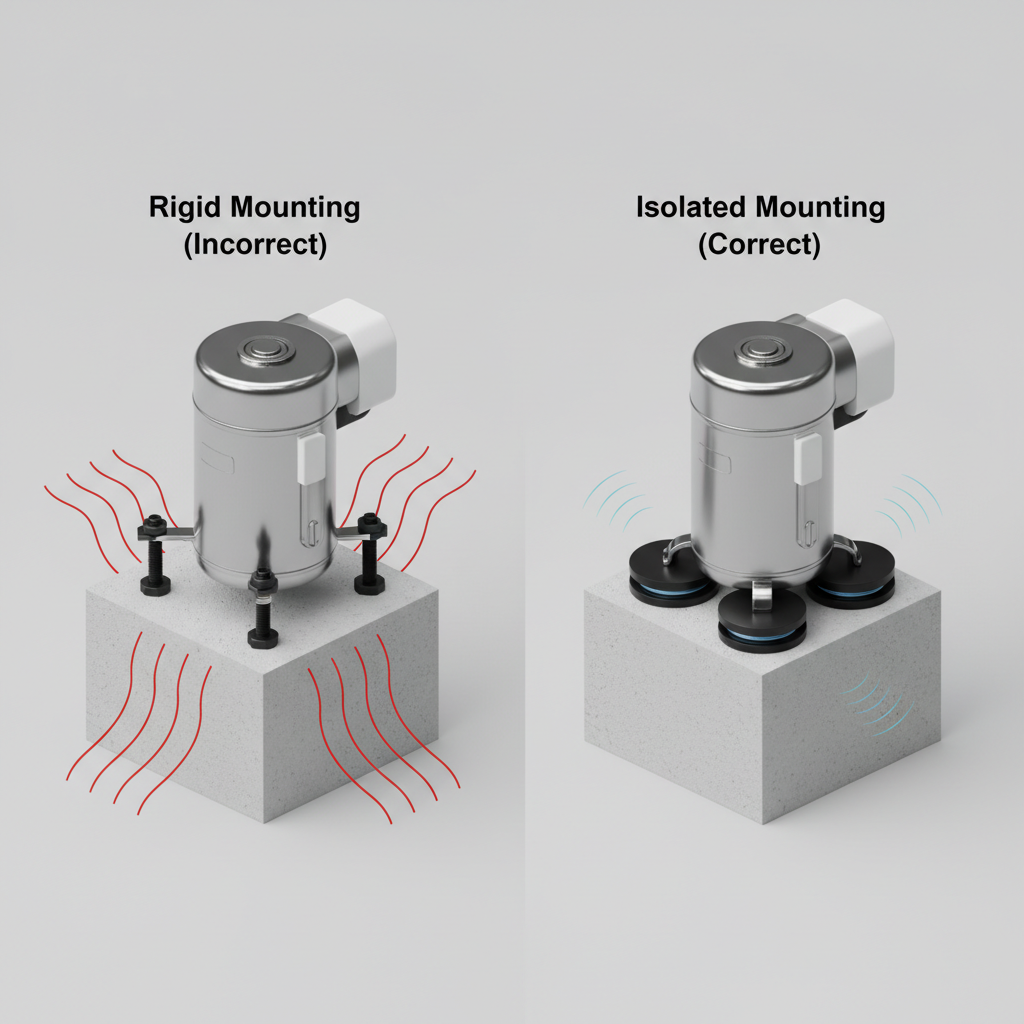
- Structure-Borne Vibration: This is the silent culprit behind most persistent noise complaints. A compressor mounted directly to the floor transmits its operational vibrations through the building structure. These vibrations travel through concrete slabs, walls, and joists, re-emerging as low-frequency humming in distant rooms, including operatories. A mistake I often see is a beautifully designed clinic where the compressor, though in a separate room, is rigidly bolted to the concrete slab, making the treatment rooms vibrate subtly all day.
Core Technologies for Quieter Dental Air Compressors
Choosing the right compressor technology is the first step toward a quieter practice. The three primary types—piston, scroll, and rotary vane—offer different acoustic profiles.
| Technology | Noise Profile | Efficiency & Duty Cycle | Maintenance | Ideal Application |
|---|---|---|---|---|
| Reciprocating Piston | Loudest | Lower duty cycle; best for intermittent use | Higher; more moving parts | Small clinics with low air demand; budget-conscious setups |
| Rotary Vane | Moderate | 100% duty cycle capable | Moderate; regular vane checks needed | Clinics requiring consistent, reliable air supply |
| Rotary Scroll | Quietest | 100% duty cycle capable; highly efficient | Lowest; very few moving parts | Noise-sensitive environments; clinics prioritizing patient comfort and low maintenance |
While oil-lubricated models can sometimes offer a degree of sound dampening, modern oil-free scroll compressors are engineered from the ground up for minimal noise and vibration, making them a superior choice for most clinical environments.
The Critical Role of Installation in Noise Abatement
A common myth is that buying a “quiet” compressor is a complete solution. In reality, improper installation can negate the benefits of even the most advanced technology. My experience has shown that installation accounts for at least 50% of the success in any noise reduction project.
Location and Isolation
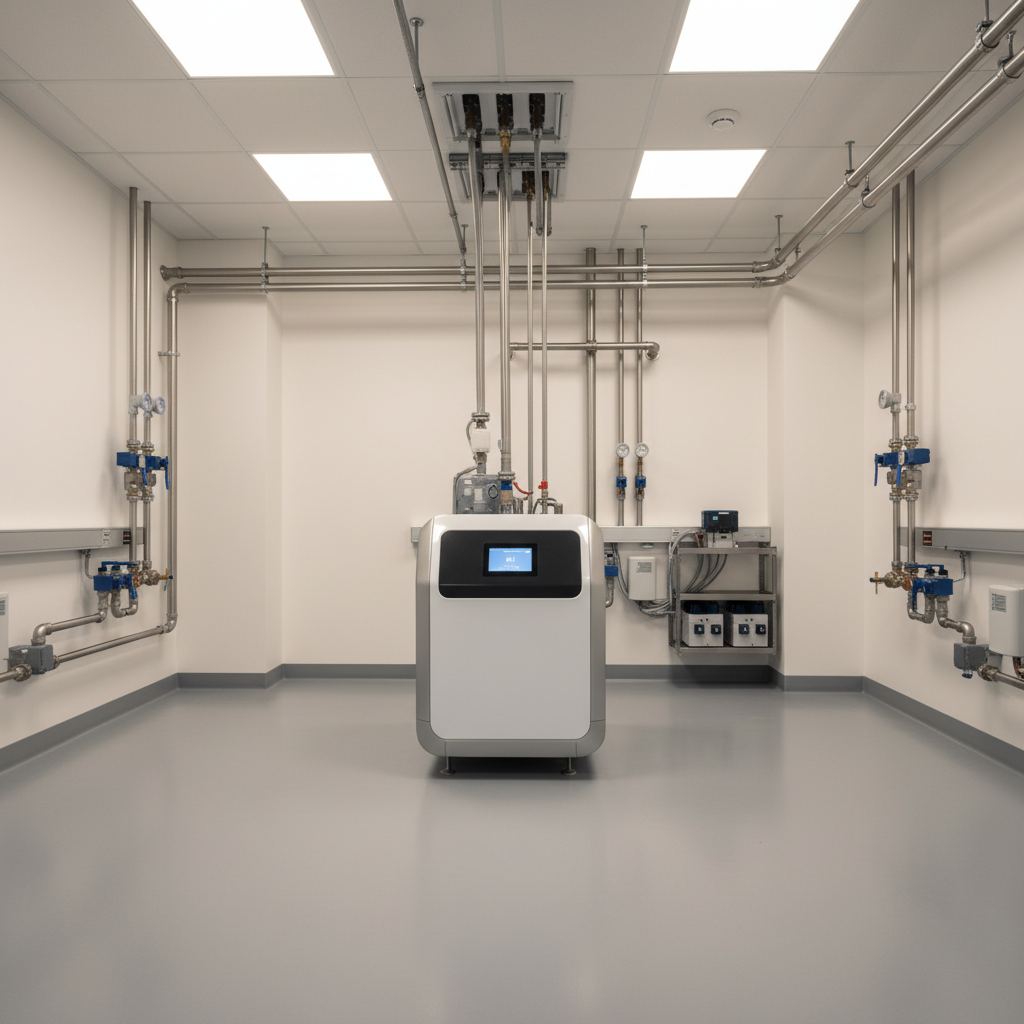
The ideal location for a compressor is a dedicated, well-ventilated utility room away from patient areas. However, the most critical factor is decoupling the machine from the building structure.
- Vibration Isolators: Never mount a compressor directly to a concrete slab or building frame. Instead, use specialized spring or elastomer vibration isolators. The goal is to create a system with a natural frequency below the compressor’s operating frequency (ideally below 10 Hz). A properly isolated system can reduce structure-borne noise by 10–20 dB—a massive, easily perceptible difference. This is the single most effective change you can make.
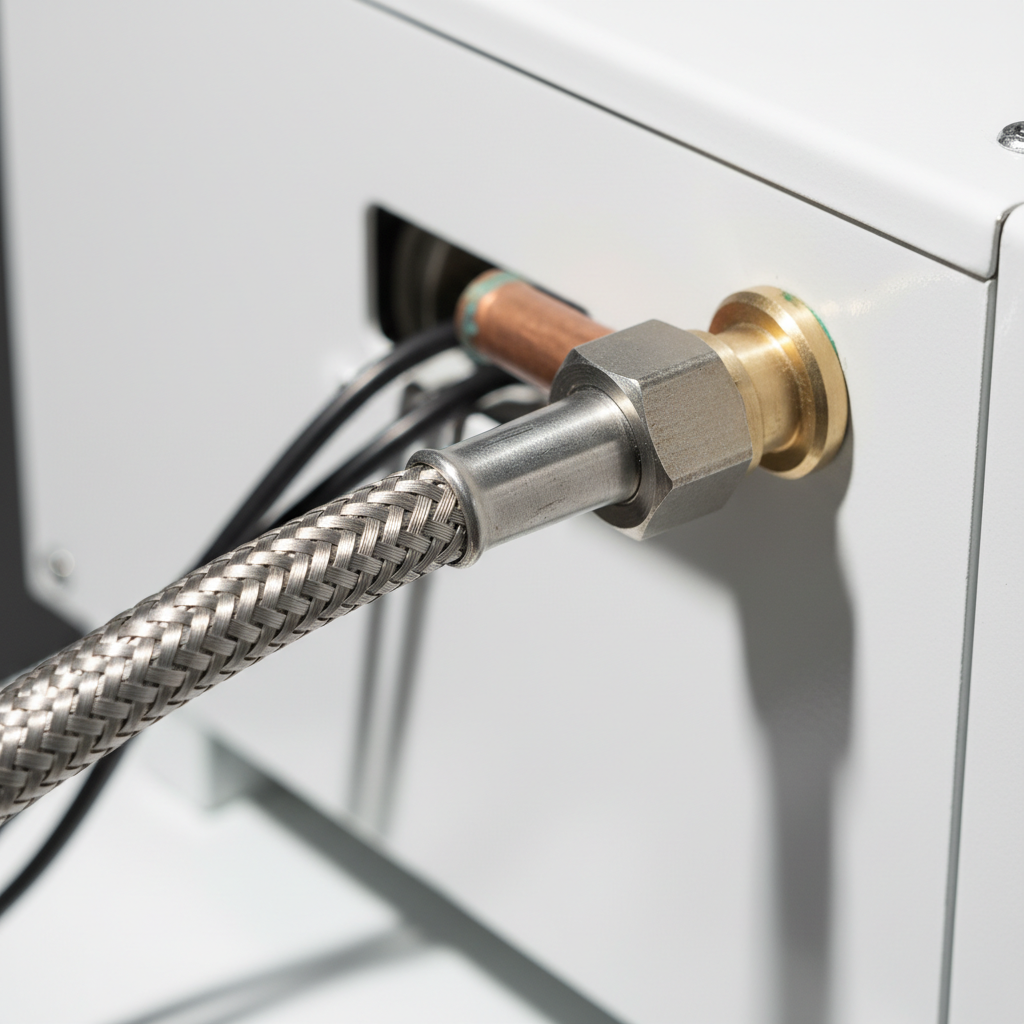
- Flexible Connectors: The second most common mistake is using rigid piping directly from the compressor outlet. This transmits vibrations directly into your plumbing system, which then acts like an antenna, broadcasting noise throughout the clinic. Always install a flexible, braided steel connector immediately at the compressor’s discharge port to decouple it from the main air lines. Unsupported pipe runs should also be minimized to prevent resonant amplification.
Intake Management
The compressor’s air intake can be a significant noise source. Route the intake line away from patient zones and heat sources. For an even quieter setup, use a lined inlet muffler. These devices are designed to cut broadband intake noise without restricting the critical airflow the system needs to operate efficiently.
Procurement and Performance Verification for a Quieter Future
Making an informed purchase requires looking beyond the marketing and focusing on verifiable performance data and long-term operational needs. As you plan your equipment upgrades, consider how they fit into your overall strategy for future-proofing your operatory for new technology.
Sizing and Specifications
To reduce constant running and the associated acoustic spikes, a good rule of thumb is to oversize your compressor capacity by 25-30% above your measured peak hourly demand. When reviewing manufacturer specifications, insist on noise data measured at full operational load, typically expressed in dBA at 1 meter. Look for products that adhere to international quality standards like ISO 13485, which governs quality management for medical devices, and carry the CE Marking for European conformity. While not noise standards per se, they indicate a higher level of manufacturing precision, which often correlates with quieter, more reliable operation.
On-Site Verification
Trust but verify. Once installed, test the noise levels. A practical target used by many clinics is to achieve a sound level below 55 dBA in the nearest operatory while the compressor is running. You can use a calibrated sound level meter for official measurements or a smartphone app for a quick, indicative check. This simple step ensures the entire system—compressor, installation, and location—is working together to meet your noise reduction goals.
Wrapping Up: Your Checklist for a Serene Clinic
Achieving a quiet clinical environment is not about a single product but a holistic approach. By combining modern scroll compressor technology with meticulous installation practices, any dental practice can significantly reduce ambient noise. The key is to focus on vibration isolation first. The small investment in high-quality isolators and flexible connectors delivers an outsized return in noise reduction and improved equipment lifespan.
By addressing noise at its source, you create a more welcoming atmosphere for patients and a more focused, less fatiguing workplace for your team.
Frequently Asked Questions (FAQ)
How often should I maintain my compressor to keep it quiet?
Regular maintenance is key to preventing noise from developing over time. A good schedule includes inspecting intake filters monthly, draining the condensate tank daily (for models with tanks), inspecting belts and valves quarterly, and changing the oil (if applicable) every 1,000–2,000 operating hours, depending on the duty cycle.
What is a realistic noise level for a dental clinic?
While background office noise is typically 40-50 dBA, a realistic and excellent target for a dental operatory with the compressor running is under 55 dBA. This level is quiet enough not to be intrusive or raise patient anxiety. According to research indexed on PubMed, unexpected or loud noises are a known trigger for dental fear and anxiety.
Can I soundproof my existing compressor room?
Yes, you can add sound-absorbing materials like acoustic foam panels to the walls and ceiling of an existing utility room. However, this primarily addresses airborne sound. It is not a substitute for tackling structure-borne vibration at the source with proper isolators and flexible connectors, which is far more effective.
Disclaimer: This article is for informational purposes only and does not constitute professional engineering or medical advice. Always consult with qualified technicians and adhere to local building and safety codes when installing dental equipment. The noise level targets mentioned are for guidance and are not a substitute for regulatory requirements.
About the Author