
 EN
EN  ZH
ZH 
A Frontline Focus: Daily Operations and Risk Mitigation for Dental Chair Weight Capacity

In a busy dental practice, it’s easy to forget about the dental chair. It’s used many times daily. It holds patients of every shape and size. It adjusts, tilts, and elevates without a second thought. But if the dental chair weight capacity is exceeded—or worse, ignored—it’s a recipe for disaster. Equipment failure, injury,and expensive downtime will follow.
That’s why dental teams need good, daily routines for dental chair safety. Knowing weight capacity, catching early warning signs, and following simple procedures helps everyone from the patient to the tech team. Here’s how to make your dental chair unit safe every day.
Dental Chair Weight Capacity Tiers and Clinical Applications
Most regular dental chairs can hold 300 to 400 pounds (136–181 kg). Some heavy-duty models can hold 500 pounds (227 kg). For very large patients, special dental chair units can hold 600 to 800 pounds (272–363 kg). Each clinic should know what model is in each room.
Common Chair Types and Their Limits
- Standard dental chair (300–400 lbs): Good for most patients, teens, and the elderly.
- Strong dental chair (400–500 lbs): Safer for bigger adults, patients with mobility problems, or long procedures.
- Extra-heavy dental chair unit (600+ lbs ): Best for very large patients or when extra support is needed.
Never guess. Always check. Your dental chair unit must have a label or spec sheet with its exact weight capacity if it doesn’t, call the manufacturer.

5 Early Warning Signs of a Chair Approaching Its Capacity Limit
Chairs usually give hints before they break. Front desk staff need to know these. Catching them early prevents downtime—and accidents.
1. Strange Sounds
Pops, creaks, or groaning noises during lift or recline may mean stress on the motor or inside frame.
2. Slow Response
If the chair lifts slower than normal or stops, it could be fighting the weight. Stressed motors often fail without warning.
3. Shaky Base or Seat Movement
When the seat rocks or the base rocks side to side, something is loose—or broken underneath.
4. Fluid Leaks You Can See
If you see hydraulic fluid or oil on the floor around the base, that’s a big red flag. It may mean the lift system is broken.
5. Cracks or Bending in the Chair Frame
Look carefully for cracks on the armrests, seat base, or backrest supports. Small cracks can grow fast with continued use.
Pro Tip: Do a quick “first check” every morning before the first patient sits down.
High-Weight Patient Protocol
A standard protocol protects patients and equipment—without putting staff in a tough spot. Stay factual, not personal. What should staff do with patients who may be over the weight limit?
Step 1: Get Info Privately
Ask for the patient’s weight on the intake call or on the health form. Be neutral and respectful. Patients will usually tell the truth.
Step 2: Match Patient to Chair
If the patient is close to or above your dental chair’s weight capacity, book a room with a strong or extra-heavy dental chair unit. Don’t try to use a chair that can’t handle the weight.
Step 3: Seat with Care
- Lower the chair all the way before the patient sits.
- Don’t make quick movements—tilt and raise slowly.
- Remove extra tools or trays from the armrests to reduce strain.
Step 4: Know When to Stop
If you’re not sure the dental chair can support the weight, stop the visit. It’s always better to reschedule or change rooms than to have a chair break.
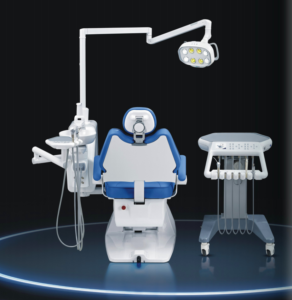
Key Points for Safe Operation and Patient Handling
What should every team member know about using dental chairs with heavier patients? This is not just about equipment. It is also about support and communication. Front desk workers should be ready to handle both.
Basic Training Topics
- Know Your Chair: Staff must remember every dental chair unit model and its weight capacity.
- Position First: Always position the chair before the patient sits.
- Two-Person Help: For patients with mobility issues, have another person ready.
- Weight Spread: Have patients sit right in the center. Don’t let legs or arms hang off to one side.
Practice Training
Give short training updates every 3–6 months. Include new workers. Make it hands-on and focused on daily habits.
A Must-Do Checklist for Best Performance
Skip the maintenance, and you’ll pay more later. This checklist takes less than five minutes per room.
Daily Checklist
- Check the dental chair frame and base for looseness or cracks.
- Test all movement functions: up/down, recline, return.
- Listen for sounds, especially grinding or clicking.
- Wipe joints, hinges, and lift arms. Remove dust and debris.
- Write down any strange signs or behavior on a maintenance sheet.
If something doesn’t feel right—don’t use the chair. Tag it and tell your techs. Documentation Tip: Use a clipboard with checkboxes. Keep it simple and quick to fill out. Make it part of your room setup routine.

Dental Chair Weight Capacity Safety: Key Takeaways & Action Steps
The dental chair is the one tool all patients sit in. It’s also the one most likely to break if ignored. That’s why staying alert, staying on schedule, and staying current matters. Action Steps for Each Team: Show the dental chair weight capacity in every room. Train all clinical staff to spot the early warning signs of overload. Use the same seating rules for all heavy patients. Follow the daily checklist. Safe care starts before the drill even turns on. It starts with a stable, secure dental chair unit—and a team that knows how to use it right.
About the Author