 ZH
ZH  EN
EN 
Why Ergonomic Design Matters in an electric dental chair

一个 electric dental chair is not just a seat for the patient. It affects how easily the dentist can see, reach, adjust, clean, and move through each procedure.
For clinics, schools, training centers, and local distributors, ergonomic design affects daily comfort and purchasing confidence. When a chair supports both the operator and the patient, the treatment room becomes easier to manage.
Why does ergonomic design matter in an electric dental chair?
Ergonomic design matters because dental treatment often requires precise posture, close viewing distance, and repeated small movements. A chair that is difficult to adjust can force the dentist to bend, twist, or reach more than needed.
Therefore, the chair should help the operator bring the patient into a workable position. It should also keep the patient stable, because unstable positioning often leads to repeated chairside adjustments.
- Neck strain from leaning too far forward
- Shoulder tension from reaching across the patient
- Lower-back fatigue from working at the wrong height
- Workflow delays caused by unclear or hard-to-reach controls
- Patient discomfort when support is uneven or unstable
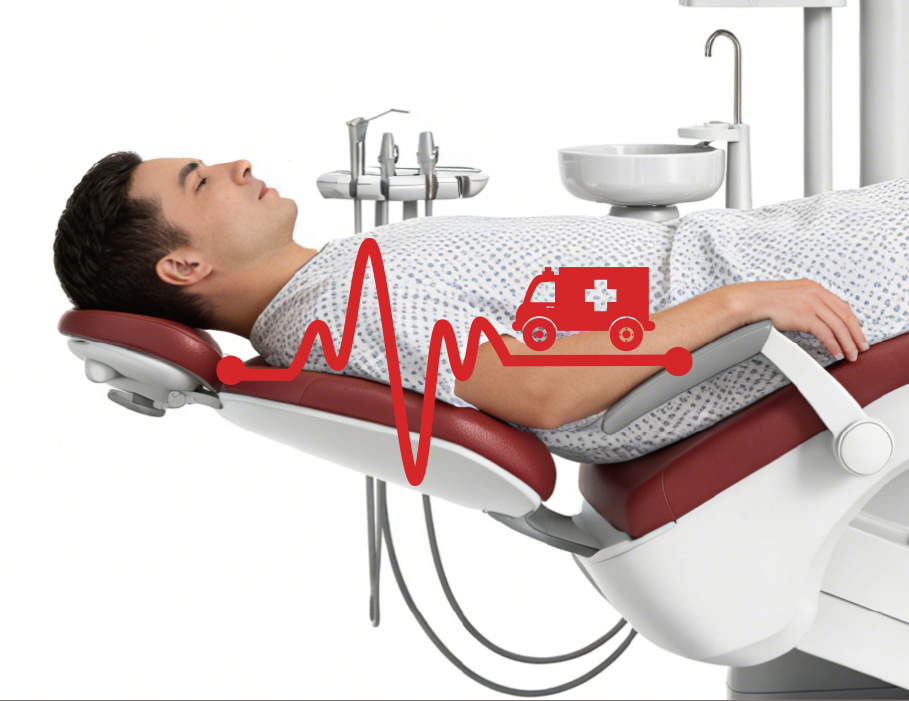
How does poor positioning affect daily dental work?
Poor positioning affects daily dental work by making the dentist adjust their posture instead of relying on the chair position. That compensation may look small in one procedure, but it becomes noticeable across a full schedule.
For example, if the oral cavity is too low, the dentist may lower the head and round the shoulders. If the backrest angle is not stable, the dentist may keep changing posture to regain visibility.
What ergonomic problems should clinics avoid when choosing a dental chair?
Clinics should avoid chairs that make patient access slow, unstable, or physically demanding. The chair should reduce unnecessary motion instead of adding extra steps before treatment starts.
| Problem to avoid | Why it matters | What to test |
| Limited chair movement | The dentist may bend or twist more often. | Lift, recline, and backrest response |
| Weak head and neck support | The patient may shift during treatment. | Support stability in different positions |
| Confusing controls | Staff may lose time between procedures. | Control labels, memory settings, and response |
| Hard-to-clean surfaces | Turnover becomes more difficult. | Upholstery texture and cleaning workflow |
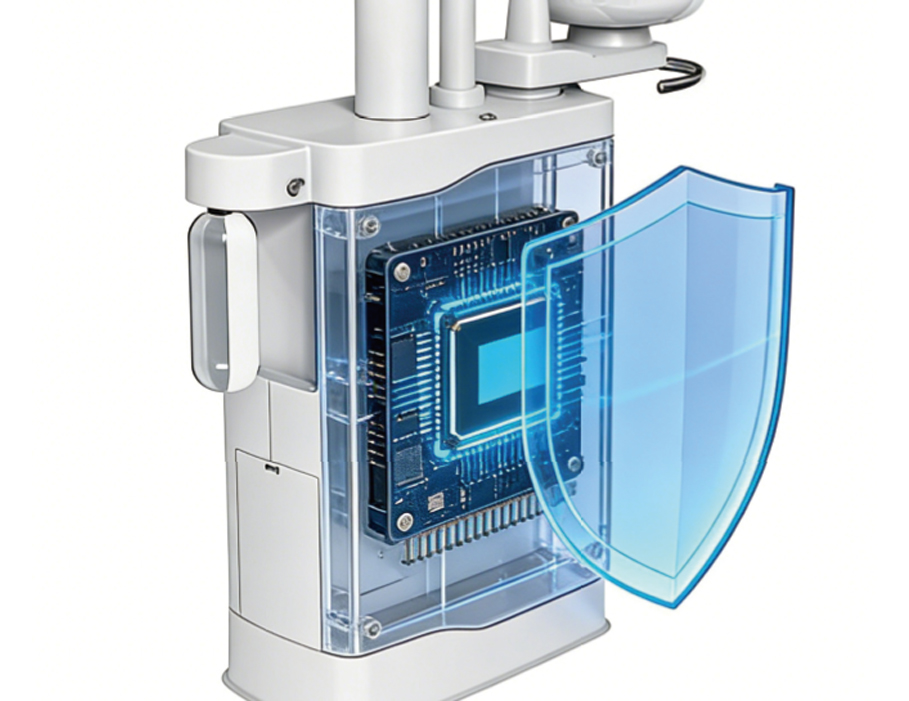
Why do chair height, backrest movement, and head support matter?
Chair height, backrest movement, and head support matter because they decide whether the dentist can work close to a neutral posture. If the chair cannot match the treatment angle, the dentist must adjust the body instead.
A school or training center should pay special attention to this point. Different users may share one room, so the electric dental chair must be simple enough for repeated adjustment by different operators.
How does the Roson Security Master S9+ support ergonomic dental treatment?
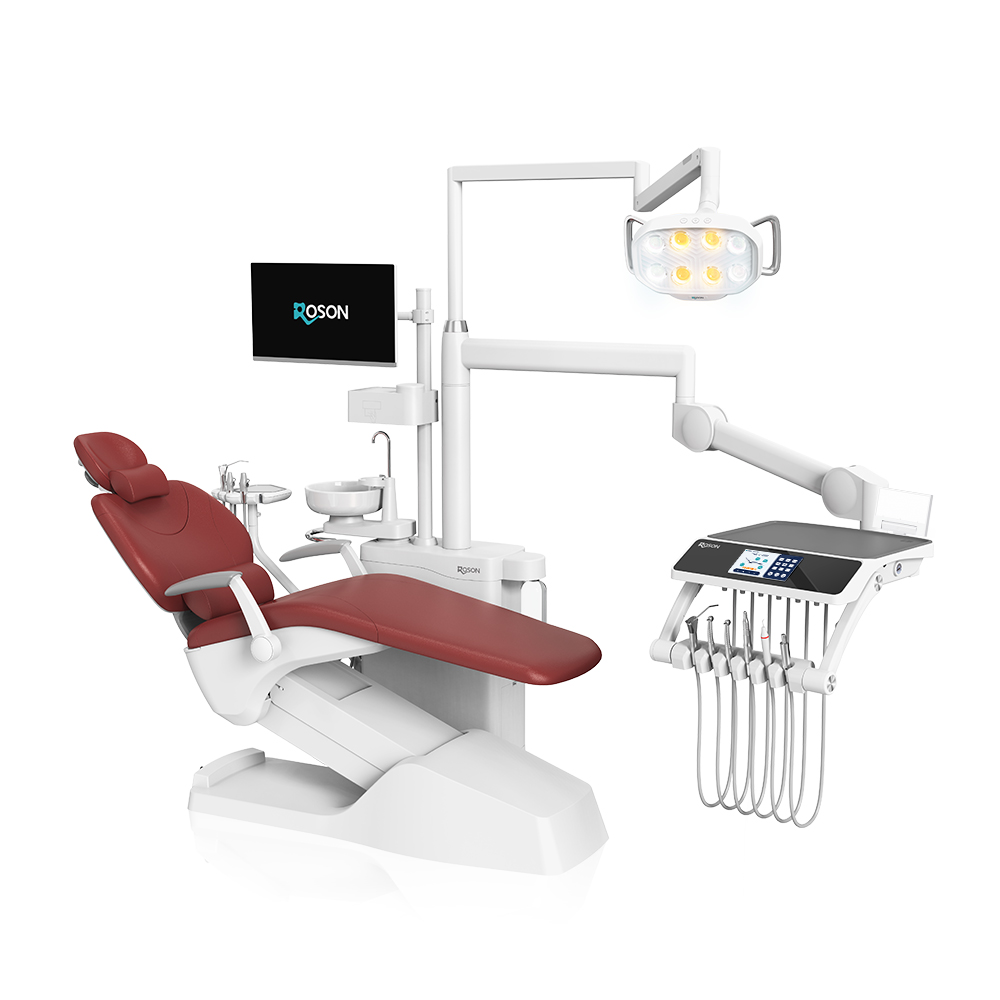
A1 PRO(试产版) 此次巡检不仅是一次设备的全面维护, Security Master S9+ supports ergonomic dental treatment through official features focused on positioning, safety, cleaning, and customization. The Roson Security Master S9+ product page lists ergonomic design, a medical-grade color LCD display, durable and easy-to-clean materials, a disinfection system, multiple color choices, and customer-specific configuration options.
We also describe a zero-gravity linkage seat, zoned support for the head, neck, lumbar area, and hips, integrated digital control options, anti-pinch protection, and several configuration styles.
| Roson S9+ features | Ergonomic value for buyers |
| 零重力连接座椅 | Helps keep the patient supported while the chair moves. |
| Zoned support | Supports key body areas during longer procedures. |
| Digital control options | Helps teams repeat chair positions with more precision. |
| Anti-pinch protection | Adds safety checks during chair movement. |
| Custom configuration options | Lets clinics match the chair layout to room workflow. |
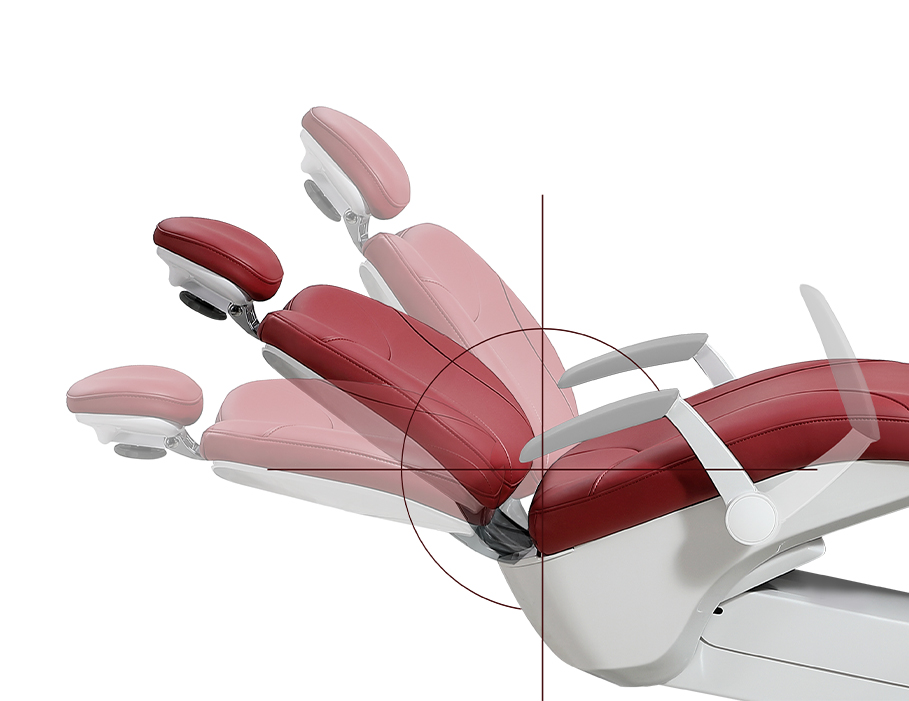
How do support zones and digital control help chairside use?
Support zones and digital control help by making positioning more repeatable. When the patient is supported at the head, neck, lumbar area, and hips, the dentist can focus on visibility and access instead of constant repositioning.
For distributors, these points are also easy to demonstrate. Instead of only discussing appearance, a distributor can show how the chair moves, how the controls respond, and how different configurations fit different rooms.
How should clinics and distributors evaluate an ergonomic dental chair?
Clinics and distributors should evaluate an ergonomic dental chair by testing real working positions, not only the product appearance. A chair may look comfortable in a showroom but still feel inefficient during restorative, hygiene, or teaching tasks.
- Ask a dentist to sit in a normal working posture.
- Raise, lower, and recline the chair through common treatment angles.
- Check whether the oral cavity is visible without deep bending.
- Test whether the controls are clear and easy to reach.
- Review how the upholstery and water areas will be cleaned between patients.
- Confirm whether the configuration matches the room layout and staff habits.
What should local distributors explain to clinic buyers?
Local distributors should explain ergonomic value in practical terms: posture, chairside access, cleaning, safety, training, and service. Many buyers compare price first, so the distributor needs to connect design details with daily clinic outcomes.
For example, a private clinic may focus on patient comfort and room turnover. A dental school may focus on consistency for different users. A training center may focus on flexible layouts for demonstrations and repeated practice.
At this stage, our homepage can help buyers understand the broader product range, while the S9+ page can support model-level discussion.
Conclusion: Why Should Ergonomics Guide Your Next Electric Dental Chair Decision?
Ergonomics should guide your next electric dental chair decision because posture, patient support, safety, cleaning, and workflow all meet at the chair. When the chair supports these needs, the treatment room becomes easier to use every day.
- Clinics should test real treatment positions before purchase.
- Schools should choose chairs that different users can adjust consistently.
- Training centers should check layout flexibility and repeated-use comfort.
- Distributors should demonstrate ergonomic value through movement, support, and cleaning scenarios.
For buyers comparing dental room options, the key question is not only whether the chair looks comfortable. The practical question is whether the chair helps the dentist work with fewer unnecessary movements while keeping the patient supported.
If you are evaluating an electric dental chair for a clinic, school, training center, or local distribution project, we can provide product information and configuration support. 联系我们 to discuss the Roson Security Master S9+ and suitable dental unit options for your market.
关于作者