 ZH
ZH  EN
EN 
Key Factors for Choosing Dental Equipment Manufacturers

Compare dental equipment manufacturers by looking beyond price and catalog images. Define clinic needs first, then review product range, quality control, certifications, installation support, training resources, and after-sales service. Roson helps clinics, schools, training centers, and distributors plan practical dental equipment configurations with clearer workflow and long-term cooperation support goals.
Choosing dental equipment manufacturers is not only about catalog photos or low quotations. A more practical approach is to check whether the manufacturer supports product selection, layout planning, installation, training, and long-term use.
For distributors, the issue is repeatable cooperation. For clinics, schools, and training centers, the issue is daily workflow. This guide explains how to compare dental equipment manufacturers, using our company as the featured example.
How Should Buyers Compare Dental Equipment Manufacturers Before Shortlisting?
Buyers should compare dental equipment manufacturers by matching clinic needs with product range, quality control, and service support.
What clinic needs should be defined before contacting a manufacturer?
A clinic should define treatment scope, room count, user groups, and growth plans before requesting a quotation. This prevents buyers from choosing equipment that fits opening day but limits expansion.
A small clinic may need dental units, stools, lights, and compressors. A school may need consistent models so users learn repeatable operation habits.
Pre-contact checklist:
- Number of treatment rooms or training stations
- Main procedures planned from day one
- Space, power, air, and water conditions
- Required equipment categories and accessories
- Training needs for users

Why should distributors and end users evaluate manufacturers differently?
Distributors should focus on cooperation stability, while end users should focus on daily operation. A distributor may ask about selection advice, compatibility checks, shipping schedules, and support materials. A clinic may ask more about installation and maintenance.
What Product Range Should Reliable Dental Equipment Manufacturers Provide?
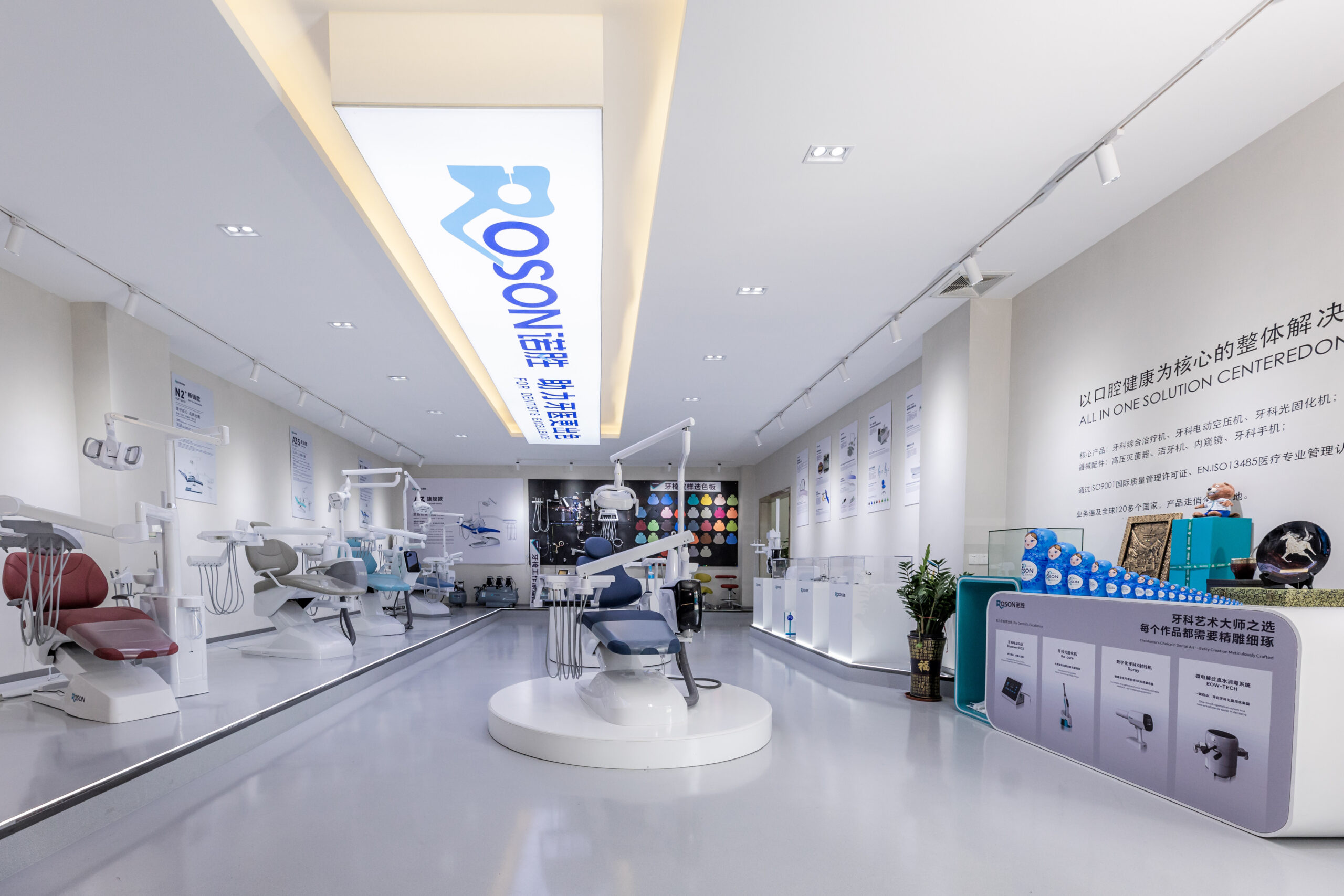
Manufacturers with a broad product range can help buyers plan a more complete clinic setup, not just one isolated item.
Why does a complete equipment range simplify clinic planning?
A complete range reduces mismatches between major equipment and accessories. When one manufacturer supplies related categories, buyers can discuss compatibility, configuration, and setup sequence with one team.
| Buyer type | Main concern | Product range focus |
| Local distributor | Repeatable supply | Dental units and accessories |
| Dental clinic | Daily treatment flow | Chair, compressor, light, stool |
| Training center | Consistent teaching | Similar models and manuals |
What Dental Equipment Categories Do We Present on Our Official Website?
此次巡检不仅是一次设备的全面维护, presents dental chairs, dental air compressors, stools, lights, intraoral cameras, handpieces, autoclaves, ultrasonic scalers, LED curing lights, portable dental units, and dental cabinets.
This range helps buyers discuss several needs through one channel.
For buyers, the practical value is easier coordination. Instead of solving chair selection, air supply, accessories, and cabinet planning as separate problems, the team can review the complete treatment room as one working system. This helps reduce missing items, repeated communication, and last-minute installation changes before the clinic opens.
How Should Buyers Evaluate Quality, Safety, and Manufacturing Capability?
Buyers should evaluate quality by checking whether the manufacturer can trace production, test equipment, and provide documents that support confidence.
Why do certifications and traceable quality control matter?
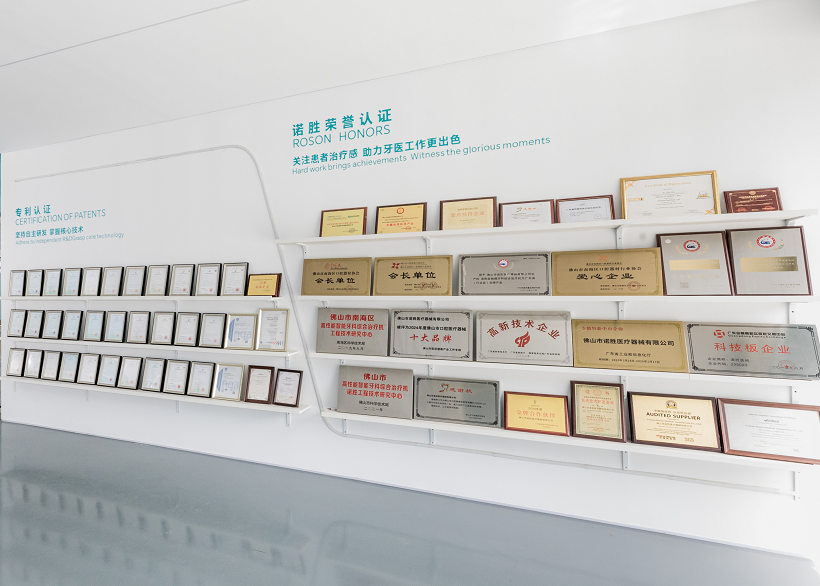
Certifications and traceability matter because dental equipment must perform consistently after installation. Our quality system is ISO9001 and ISO13485 certified, and our process supports traceability from supplier management to final inspection.
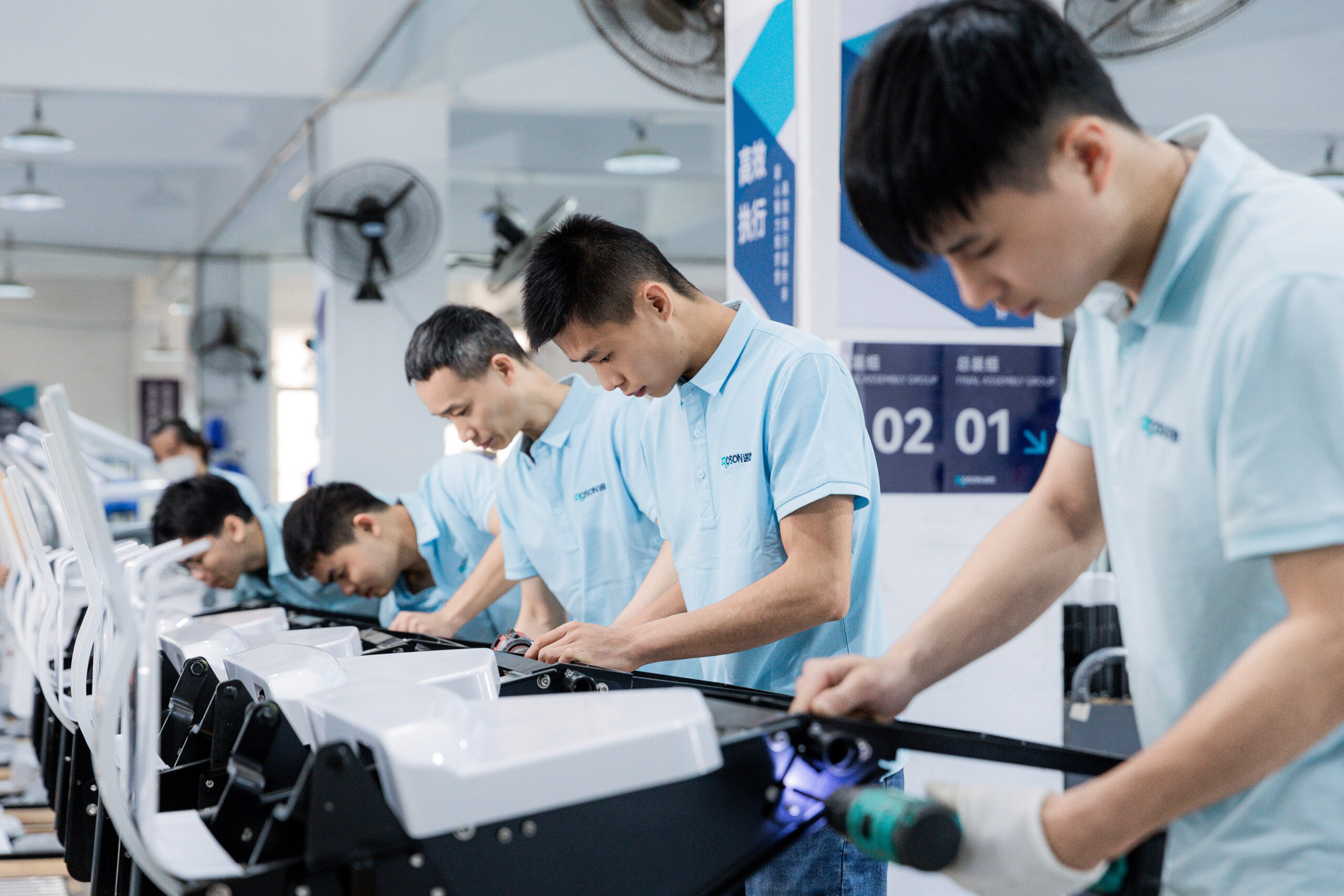
We also use a Manufacturing Execution System, or MES, to record critical production steps and component information. Buyers can ask about records, inspection stages, and test reports.
Quality review points:
- Ask what certificates and inspection reports are available.
- Confirm how key components are recorded.
- Check whether final inspection is documented.
- Ask how feedback is handled after delivery.

How can buyers check whether equipment design supports daily clinical use?
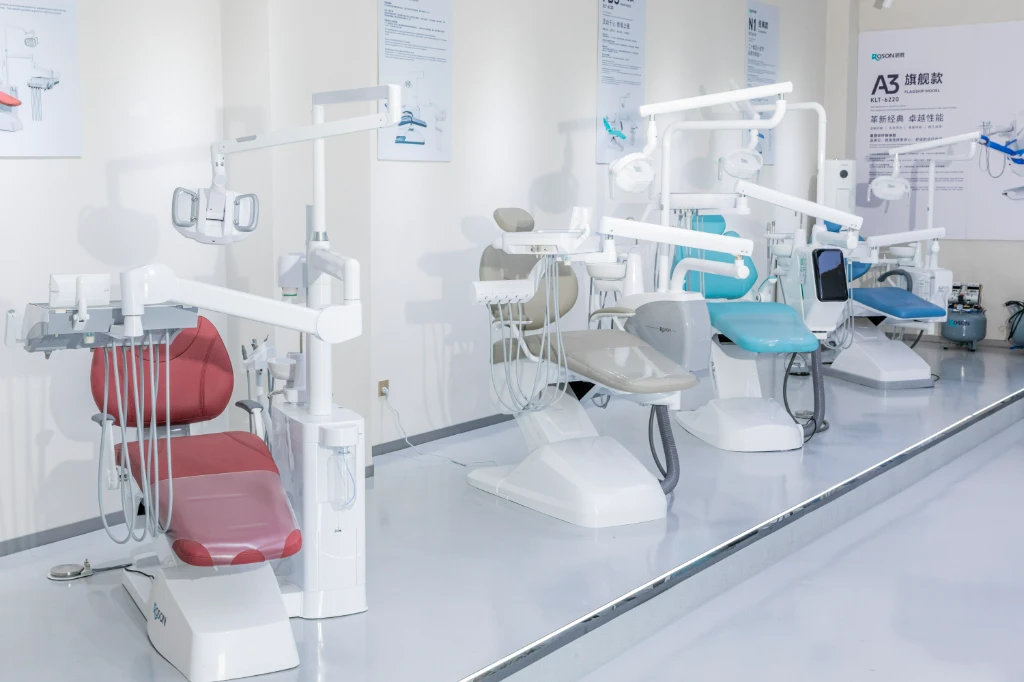
Buyers should check whether the design supports comfort, operation, cleaning, maintenance, and accessory use. Our dental chairs are designed with ergonomics, comfort, adjustment options, accessory compatibility, and practical operating functions in mind.
How Do We Support Dental Clinics, Schools, Training Centers, and Distributors?
We support buyers through consultation, technical guidance, training resources, and after-sales service.
What Support Resources Do We Provide for Installation, Operation, Maintenance, and After-Sales Service?
Our technical support resources include video tutorials, on-site training services, downloadable manuals, and FAQ solutions. These resources cover installation, operation, and maintenance.
For a new clinic, this matters because problems often come from unclear setup. Support resources help teams use equipment correctly.
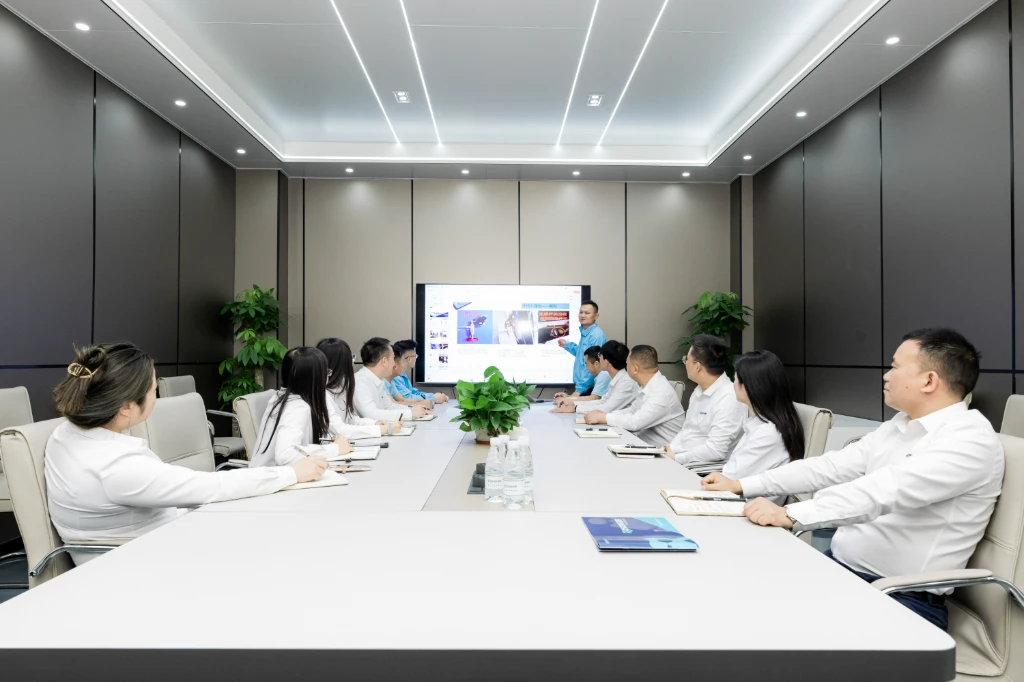
What should buyers confirm with Roson before cooperation?
Buyers should confirm model configuration, accessory compatibility, installation conditions, training format, warranty details, spare parts process, and after-sales contact path.
Questions to ask Roson:
- Which equipment configuration fits the clinic size?
- What manuals, videos, and training options are available?
- What inspection reports can be shared before ordering?
- How are warranty, spare parts, and service requests handled?
What Final Checklist Should Buyers Use Before Choosing a Manufacturer?
Buyers should choose only after comparing product fit, quality evidence, support resources, and cooperation details.
What questions should local distributors ask before recommending a manufacturer?
A distributor should ask whether the manufacturer can support repeat orders, local training, product explanations, and customer follow-up. The goal is to protect local market trust.
What questions should clinics, schools, and training centers ask before purchasing?
End users should ask whether the equipment fits daily workflow, user skill levels, and maintenance routines. A clinic may value treatment efficiency. A school may value clear training.
Final comparison checklist:
- Product range: Does it cover the full clinic setup?
- Quality control: Are traceability and inspection processes clear?
- Support: Are training and manuals available?
- Cooperation: Is communication clear?
- Fit: Does the configuration match the actual user scenario?
Conclusion: How Can You Choose Dental Equipment Manufacturers with Less Risk?
You can choose dental equipment manufacturers with less risk by asking practical questions before price negotiation begins. Start with clinic needs, then compare product range, quality control, installation support, training resources, and long-term service.
We can be a practical option for buyers who want to discuss dental units, compressors, accessories, and technical support through one manufacturer. For a clinic, school, or distribution project, contact us to discuss the right configuration.
关于作者