Skip to content
 EN
EN  ZH
ZH 
A Dental Chair TCO Guide for New & Growing Dental Clinics

Beyond the Sticker Price: A Strategic Approach to Dental Chair Investment
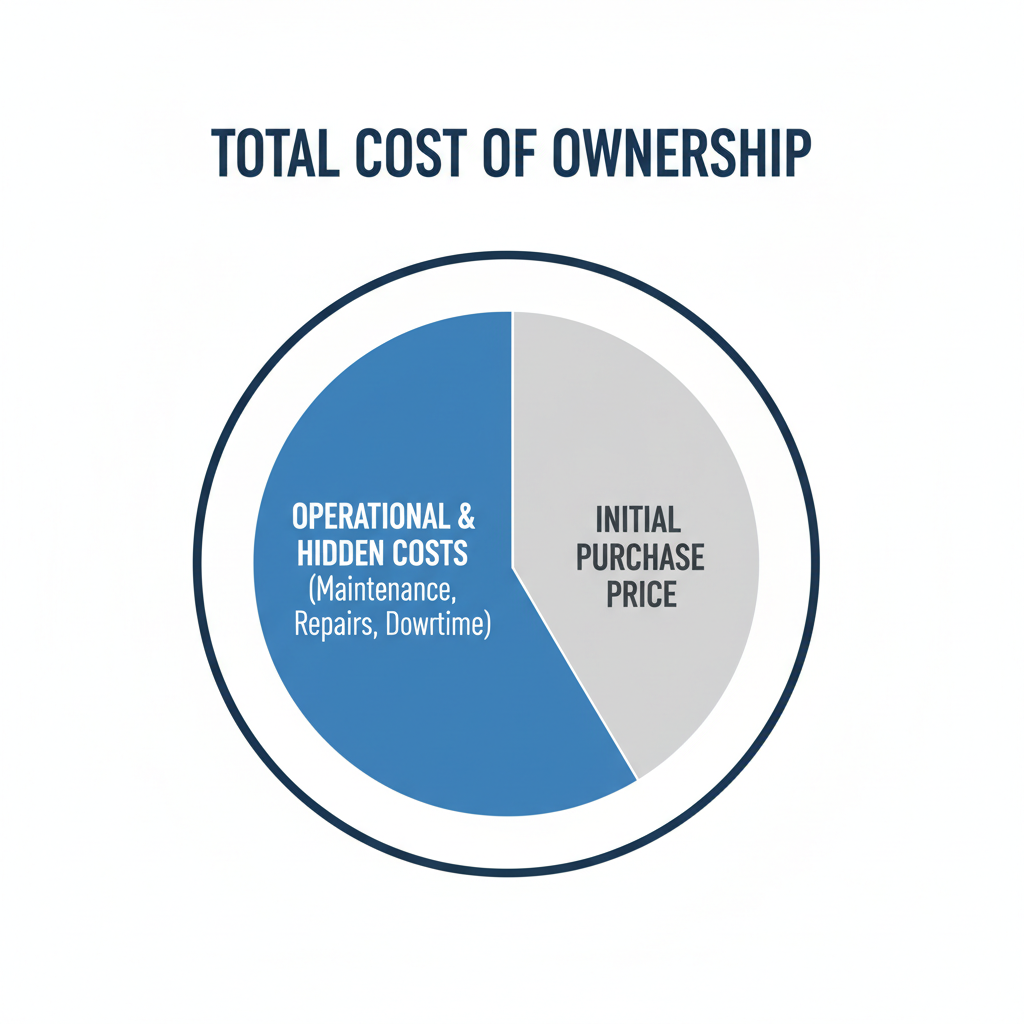
For a new or expanding dental clinic, the purchase of a dental chair represents one of the most significant capital investments. It is the centerpiece of the operatory and a core revenue-generating tool. The immediate temptation is to focus on the upfront purchase price. However, a more strategic approach involves evaluating the Total Cost of Ownership (TCO), a framework that accounts for all costs incurred throughout the chair’s entire lifecycle.
Choosing a chair based on TCO rather than initial price can be the difference between a reliable, profitable asset and a constant source of financial and operational strain. This guide provides a comprehensive framework for making a smart investment that supports your clinic’s growth and long-term financial health.
Debunking the Myth: Why the Cheapest Chair is Rarely the Most Cost-Effective
A common misconception is that a lower initial purchase price equates to a better deal. This view is shortsighted. My experience in clinic financial planning has shown time and again that budget chairs often carry hidden costs that surface over time. These can include more frequent repairs, the need for specialized technicians, higher costs for consumable parts, and—most significantly—revenue lost to equipment downtime.
In reality, a chair with a higher initial cost but built with superior materials and a focus on serviceability often delivers a much lower TCO and a greater return on investment over its operational life.
The Hidden Costs: Uncovering the True TCO of a Dental Chair
To accurately assess a dental chair, you must look beyond the invoice. The true cost includes a range of expenses that occur after the initial purchase. Planning for these is critical for a stable financial forecast.
Installation and Integration
The costs don’t stop after the chair is delivered. A smart heuristic is to budget a contingency of 10–20% of the chair’s purchase price for first-year integration. This fund covers professional installation, calibration, plumbing, electrical work, and essential staff training to ensure your team can operate the new equipment safely and efficiently. Getting this step right prevents premature wear and operational errors.
Ongoing Maintenance and Repairs
All equipment requires maintenance, but the frequency and cost can vary dramatically. As a rule of thumb, plan to budget 1–3% of the chair’s purchase price annually for routine maintenance. A critical factor here is the manufacturer’s service network. A chair with a readily available supply of spare parts and a responsive, widespread service network minimizes downtime.
I have seen clinics paralyzed for days waiting for a proprietary part to arrive from overseas. In contrast, chairs designed with simpler electromechanical systems and standard fasteners can often be repaired more quickly and at a lower cost, especially in regions with limited access to specialized technicians.
Consumables and Wearable Components
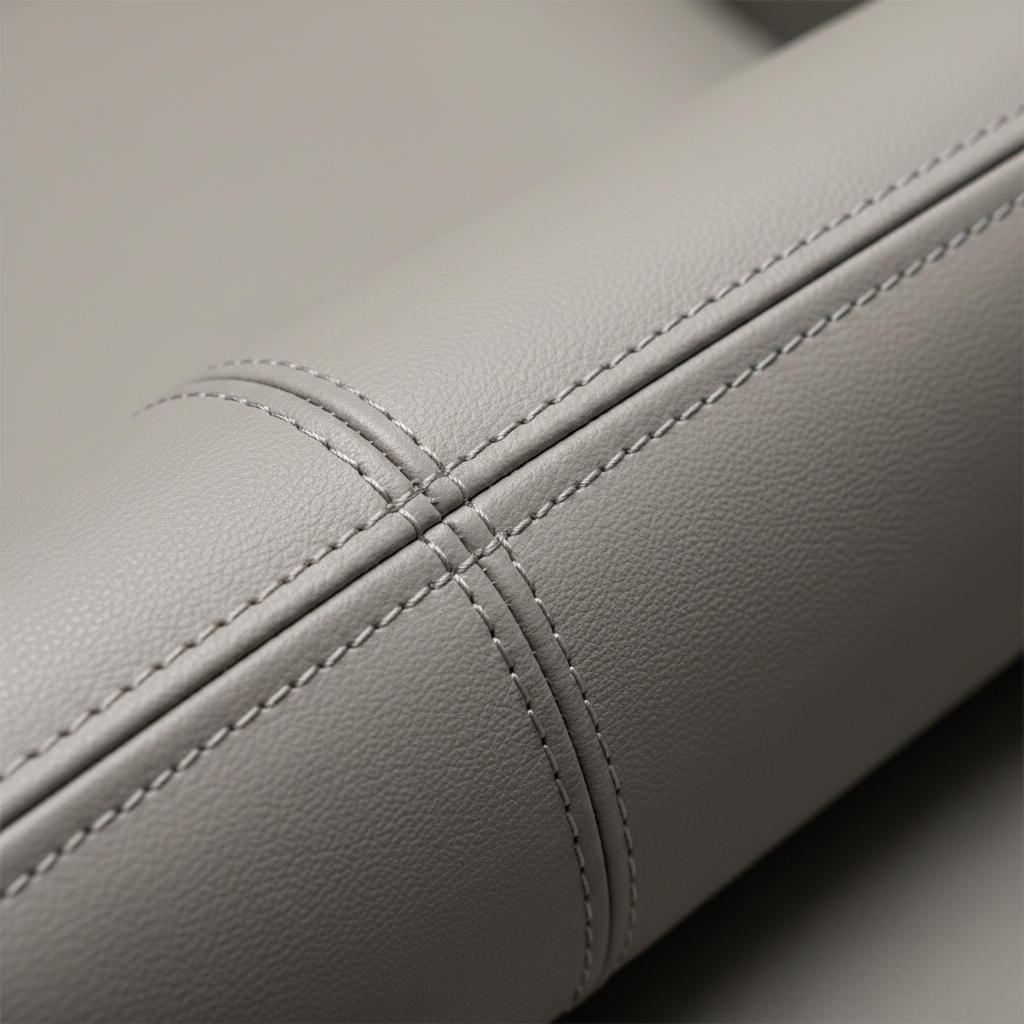
Over a dental chair’s typical lifespan of 7 to 12 years, certain components will need replacement. Upholstery is a primary example. Chairs with modular designs, allowing for the easy replacement of cushions and covers, significantly reduce long-term costs compared to models where the entire chair top must be replaced. Before purchasing, always investigate the cost and availability of these wearable parts.
The High Cost of Downtime
Downtime is the single largest hidden cost. A non-operational chair is not just an expense; it stops being a revenue-generating asset. To grasp the financial impact, calculate your average revenue per chair-hour. If a chair generates $300 per hour and is down for a full day (8 hours), that’s $2,400 in lost revenue, not including the cost of the repair itself. This simple calculation often justifies investing in a more reliable chair or even having a spare unit available in a high-volume clinic.
A Practical Framework for Evaluating Dental Chairs
Making a sound decision requires a structured evaluation process. Use the following criteria and checklist to compare potential models based on their long-term value, not just their price tag.
Key Evaluation Criteria
| Feature | What to Look For | Why It Matters for TCO |
|---|---|---|
| Durability & Lifespan | High-quality materials (e.g., metal construction vs. plastic), robust hydraulic/electric motors. Ask for expected lifespan data (typically 7–12 years). | A longer-lasting chair delays a major capital replacement expense, directly improving long-term ROI. |
| Modularity & Serviceability | Easily accessible hydraulic and electrical modules; standard fasteners; modular upholstery. | Reduces repair time and costs. Allows for targeted replacements instead of expensive, large-scale repairs. |
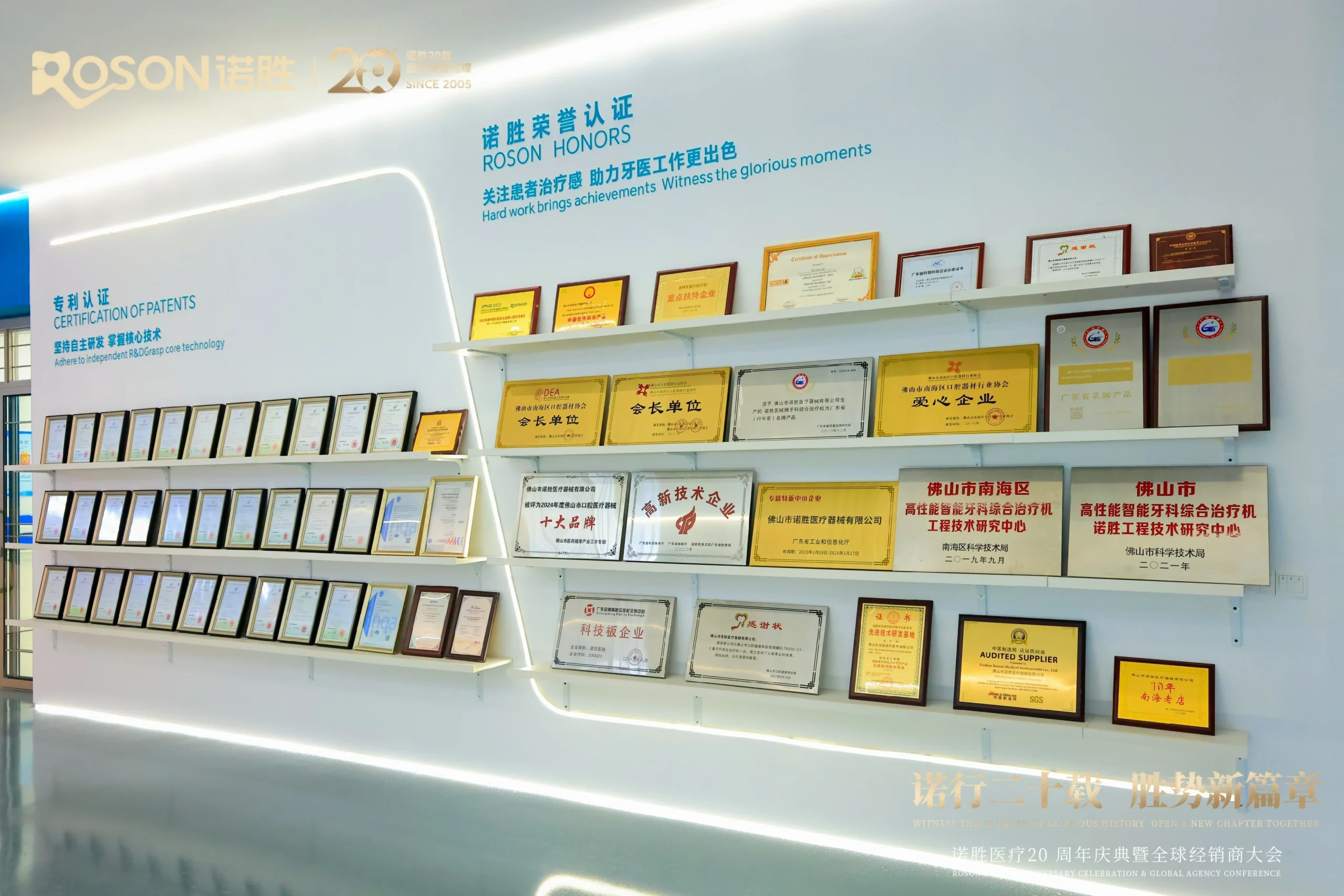
| Compliance & Certification | Look for certifications like CE Marking for European market access and adherence to quality management systems like ISO 13485:2016. | These certifications are not just formalities. They indicate the manufacturer adheres to rigorous international standards for quality, safety, and performance, which strongly correlates with reliability and lower risk. For the US market, compliance with regulations like FDA 21 CFR Part 820 is essential. |
| Supplier Support & Warranty | A comprehensive warranty, a responsive customer service team, and a well-established service network in your region. | A strong support system is your insurance against prolonged downtime. Quick access to technicians and parts is critical for business continuity. |
TCO in Action: A Tale of Two Clinics
Consider two new clinics making their first major equipment purchase:
- Clinic A (Budget-First): Purchases a chair for $8,000. It experiences two days of downtime in its first year due to a faulty control panel and another day in year two. Annual maintenance and repair costs average 5% of the purchase price ($400/year). The chair needs replacement after 6 years.
- Clinic B (TCO-Focused): Invests in a more robust chair for $15,000. It experiences zero downtime in the first two years. Annual maintenance costs average 1% of the purchase price ($150/year). The chair remains fully operational for 10 years.
While Clinic A saved $7,000 upfront, it lost thousands in revenue from downtime and paid significantly more in maintenance over the chair’s short life. Clinic B spent more initially but benefited from superior reliability, lower maintenance expenses, and a longer operational lifespan, resulting in a far better long-term financial outcome.
Key Takeaways for a Smarter Investment
Choosing the right dental chair is a foundational decision for your clinic. Moving your focus from the initial price to the Total Cost of Ownership will empower you to build a more resilient and profitable practice.
- Look Beyond the Price Tag: Remember that the initial purchase is only one part of the total cost. Factor in installation, maintenance, consumables, and the potential cost of downtime.
- Prioritize Reliability and Serviceability: A durable, modular chair with strong manufacturer support is an investment in uptime and, therefore, an investment in your revenue.
- Verify Compliance: Certifications like ISO 13485 and CE Marking are indicators of quality and safety, which often translate to better performance and a longer lifespan.
- Calculate the Cost of Downtime: Understand the hourly revenue your chair generates. This figure will put the cost of potential repairs and the value of reliability into sharp perspective.
By adopting a TCO mindset, you equip your clinic with an asset designed for longevity, efficiency, and sustained profitability.
Disclaimer: This article is for informational purposes only and does not constitute professional financial or legal advice. Equipment investment decisions should be made in consultation with financial advisors and by thoroughly investigating products and manufacturers. The cost percentages and lifespans mentioned are experience-based estimates and can vary based on manufacturer, model, usage, and other factors.
About the Author